
If the type of bread matters to you
You want to serve bread with dinner without compromising on your preference for wholemeal or brown. You’re looking for an option that’s easy to serve and top.


For dinner for two, start by choosing a type of bread that suits the dish and your preferences: wholemeal or brown if nutrition matters to you, white if that’s the type you fancy, or a speciality bread if flavour and presentation come first. Then check whether your chosen loaf is sliced and whether the slices are the right thickness for how you want to serve it. If you have a relevant allergy, check the allergen information before buying.
You want to serve bread with dinner without compromising on your preference for wholemeal or brown. You’re looking for an option that’s easy to serve and top.
You’re comparing everyday bread with options such as sourdough or speciality loaves because the style of bread suits your dinner. The size and whether it’s already sliced also matter.
If someone eating with you has a food allergy, you’ll want to check the allergen information before buying. For unpackaged bread, ask the seller for the details.
Start with the type of bread and the role it’ll play in your dinner. Then check whether the particular loaf is sliced and what size it is. If there’s an allergy, checking the allergen information comes first.
| What to consider | What to check when buying | Who is this most important for? |
|---|---|---|
| Type of bread | Check whether the chosen option is labelled wholemeal, brown or white. Multigrain does not automatically mean that a loaf is wholemeal. | If nutrition is my top priority, I want to know what type of bread I’m serving. Around 33% of consumers say this is their main consideration. |
| Flavour and presentation | Compare everyday bread with the speciality style you’d like to serve. Check the details of each individual option. | When the bread is a visible part of dinner, I want to choose a style that suits the dish. This matters most to around 25% of consumers. |
| Slice style and loaf size | Check whether the loaf is sliced and whether it’s sold whole or as a half loaf. Ask about the slice thickness if you need a particular size. | I want to serve bread for two without having to slice it myself, and avoid buying more than I need. This is the main consideration for around 25% of consumers. |
| Allergens and ingredients | For packaged bread, read the allergen information on the label; for unpackaged bread, ask before buying. Check the ingredients if bakers’ salt is relevant to you. | If someone eating with me needs to avoid certain ingredients, I want to know what’s in the bread before I buy it. Around 17% of consumers put this check first. |
Bread made with several types of grain isn’t automatically wholemeal. You could end up choosing a different type of bread from the one you intended.
Look for the explicit wholemeal label if that’s the type of bread you prefer.
The word ‘sliced’ doesn’t always tell you how thick the slices are. ‘Whole’ and ‘half’ describe the size of the loaf, not the thickness of the slices.
Check the packaging for your chosen option or ask in store about the slice thickness if it matters when serving.
By then, it’s too late to choose bread with confidence for someone with a relevant allergy. With unpackaged bread, the information won’t be on packaging you can take home.
Read the label on packaged bread before buying, or ask for the allergen information if the bread is unpackaged.
You may have bread left over after dinner for two, and not use it straight away.
See whether a half loaf would suit you, or freeze any bread you won’t use soon in portions.
Albert Heijn lists a range of bread online, including wholemeal, sliced spelt and OerDesem.
Jumbo lists wholemeal, brown, white and multigrain bread online, as well as half loaves.
Lidl lists Knip volkoren online as an 800 g sliced loaf.
Aldi describes its Fijn volkoren Heel online as sliced bread.
Plus lists wholemeal, brown and sourdough bread online, including half wholemeal loaves.
Dirk lists wholemeal, white, multigrain and sourdough bread online, as well as half loaves.
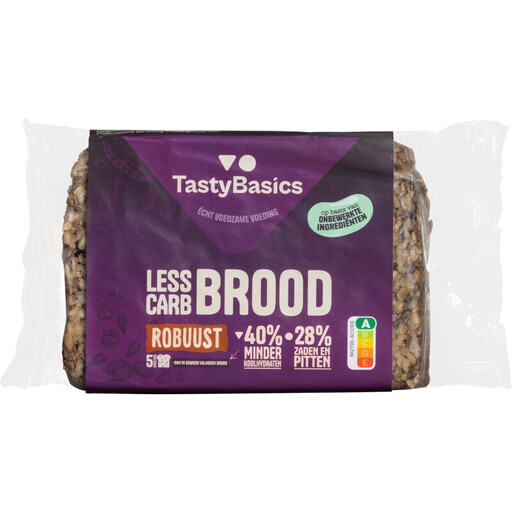
This bread option may suit you if you’re planning to serve bread with dinner for two. Before buying, check that the portions and slice style match what you’d like to serve.
 No image available
If you’re serving bread with dinner for two, check whether this pack of five suits the amount you’d like to serve. Check the slice style and read the latest ingredient and allergen information if it’s relevant to anyone eating with you.
No. According to the Netherlands Nutrition Centre, bakers aren’t required to use bakers’ salt. For packaged bread, check the ingredients list; for unpackaged bread, ask the baker what type of salt has been used.
For pre-packed bread, read the allergen information on the label, as advised by the Netherlands Food and Consumer Product Safety Authority. For unpackaged bread, ask the seller before buying which allergens are present in your chosen option.
The Netherlands Nutrition Centre recommends keeping opened wholemeal bread for 2 to 4 days in a kitchen cupboard, or 1 to 3 months in the freezer. If you don’t use the whole loaf for two people, you can freeze the rest in portions straight away.