
Host looking to compare types of bread
Wants to serve sandwiches and consider nutritional value when choosing between wholemeal, brown and white bread. The Netherlands Nutrition Centre distinguishes between wholemeal and brown bread.


For a coffee break with sandwiches, wholemeal bread is a sensible first choice if nutritional value is your priority. The Netherlands Nutrition Centre describes wholemeal and brown bread as different grain products, with wholemeal bread made using the entire grain. Brown bread is an alternative if that’s what your group prefers. Check the slices themselves for both types: the label ‘sliced’ doesn’t confirm that they have the average thickness you’re looking for.
Wants to serve sandwiches and consider nutritional value when choosing between wholemeal, brown and white bread. The Netherlands Nutrition Centre distinguishes between wholemeal and brown bread.
Wants to have enough bread ready without being left with lots of slices. Half a loaf or freezing bread in portions can help you get the quantity right; the Netherlands Nutrition Centre advises taking only the amount of bread you need out of the freezer.
Wants to check the ingredients and allergens in their chosen bread before serving it. If using iodised baker’s salt is important to you, you’ll need to check this for each product too.
First, choose a type of bread that suits your group. Then check whether the slices work well with your toppings and adjust the quantity to the number of guests.
| What to consider | What to check when buying | Who it matters to |
|---|---|---|
| Type of bread and nutritional value | Check the type of bread on the packaging: brown and multigrain don’t automatically mean wholemeal. If needed, compare the nutritional information per 100 g. | If I serve sandwiches regularly, I want to know whether I’m putting out wholemeal, brown or white bread, and how their nutritional values differ. This is the top priority for around 40% of consumers. |
| Slice thickness and ease of serving | Check whether the bread is pre-sliced and look at the thickness of the slices, or ask the shop. | When making sandwiches for a group, I want slices that work well with the toppings without having to cut the bread myself. Around 30% of consumers prioritise this convenience when serving. |
| Quantity and storage | See whether half a loaf will be enough and check the storage advice for your chosen product; freeze any unused slices in portions if needed. | If I’m not sure how many people will come, I don’t want to be left with lots of bread after the coffee break. Getting the quantity right is the top concern for around 20% of consumers. |
| Ingredients and allergens | Read the current ingredients and allergen information for your chosen bread. Check separately whether it contains iodised baker’s salt if this is relevant to your choice. | If I need to take ingredients into account for myself or a guest, I want to know what’s in the bread before serving it. This check is the top priority for around 10% of consumers. |
The colour and visible seeds don’t tell you whether the bread is made from the whole grain. The Netherlands Nutrition Centre distinguishes wholemeal bread from brown bread, which combines wholemeal flour and white flour.
If wholemeal is what you’re after, look for the word ‘wholemeal’ on the packaging.
Pre-sliced bread isn’t necessarily the thickness you want for sandwiches or smaller bites.
Look at the slices before buying, or ask the shop or bakery about the thickness.
According to the Netherlands Nutrition Centre, using baker’s salt is not compulsory. So the type of bread alone won’t tell you what salt was used in a particular loaf.
Check the ingredients list for baker’s salt or iodised salt. For unpackaged bread, ask for the ingredients information.
If fewer guests come than expected, you may be left with slices that go stale.
Consider buying half a loaf or freezing any unused slices in portions soon after buying, so you only take out what you need.
Compare the type of bread, packaging and slice thickness for each specific loaf; the shop’s name alone won’t tell you what kind of slices you’ll get.
Albert Heijn lists products including AH Liefde & Passie Petit wholemeal sliced bread and AH Liefde & Passie Spelt wholemeal sliced bread.
Jumbo has a bread and bakery category where you can compare different types of bread.
PLUS lists products including a half loaf of fine wholemeal bread, a size worth considering for a smaller group.
Dirk offers bread in various types and sizes.
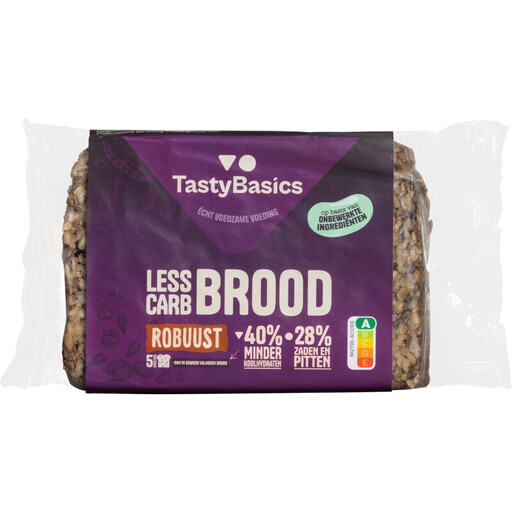
This selection includes a pack of five to factor into your plans for a coffee break. If you’re serving sandwiches, check separately whether the bread is pre-sliced and whether the slices are the right thickness.
 No image available
A pack of five may suit you if you want to match the amount of bread to the number of guests. Check the product’s shape and slice thickness before serving; if you have any questions about allergens, read the information on the packaging.
No. ‘Sliced’ only confirms that the bread has been cut into slices. To check that they’re the thickness you want, look at the slices themselves or ask the shop or bakery.
No. According to the Netherlands Nutrition Centre, it’s not compulsory to bake bread with baker’s salt. If the salt used matters to your choice, check the ingredients for the specific loaf.
According to the Netherlands Nutrition Centre’s Food Storage Guide, opened wholemeal bread can be kept for 2–4 days in a kitchen cupboard or for 1–3 months in the freezer. Freeze any slices you won’t use soon in portions, and bear in mind that bread may dry out if stored for longer.
Read the current allergen information for the bread you’re going to serve. For unpackaged bread, ask the shop or bakery for this information; don’t rely on the type of bread or product name alone.