
Vandaag of morgen in huis

Kwaliteit gegarandeerd

Welkomstaanbiedingen ontgrendelen: GRATIS bezorging | Tot 80% korting | Gratis 30 dagen JoyPlus-proefperiode
Download de app
A sleeping mask for your face is designed to be the final step in your evening routine. You apply a thin layer and usually leave the product on overnight. The texture can range from a light gel to a rich cream. This means not every night mask for the face is suitable for every skin type or sleeping comfort.
Many shoppers come up against the same pitfalls:
A true face mask for the night is typically a leave-on product. You apply it after cleansing and, if you wish, after toner and serum. A thin layer is usually enough. The next morning, you wash your face according to the instructions on the packaging.
Pay attention to the formulation. The SNP Bird’s Nest Water Deep Hydrating Sleeping Pack, for example, states that you should leave the mask on for 20 minutes and then rinse it off. That makes it more suitable as an intensive evening mask than a product you wear all night.
A gel texture often feels lighter and can be pleasant for normal, combination or dehydrated skin. A richer cream containing ingredients like squalane, dimethicone or shea butter may be a better fit when your skin feels dry. This is personal: a heavy layer can become sticky on your pillow or feel uncomfortable.
For a hydrating night mask, look for moisturising ingredients such as glycerine, sodium hyaluronate, hyaluronic acid, panthenol and polyglutamic acid. Ingredients like ceramide NP, lecithin and certain oils are often used in formulas aimed at limiting moisture loss.
If you’re after a soothing face mask, you’ll often see centella asiatica, panthenol or allantoin. According to the product description from SKIN1004, the Hyalu-Cica formula contains centella asiatica and multiple forms of hyaluronic acid. That tells you something about the composition, but it’s not a medical claim or a guarantee for every skin type.
For a dull complexion, ingredients such as niacinamide, rice extract or certain fruit extracts are used. An anti-ageing sleep mask may also contain adenosine, peptides or collagen. Keep your expectations realistic: these ingredients are used for care and a smoother-looking skin surface, but they don’t replace dermatological advice.
Sensitive skin doesn’t react solely to one “active” ingredient. Perfume, essential oils, alcohol denat. and plant extracts can also be relevant. Always check the current INCI list on the packaging.
Dr.Jart+ CICAPAIR Sleepair contains alcohol denat., according to the product information provided. The usage instructions warn that this may cause a tingling sensation on sensitive skin. The Abib PDRN Collagen Overnight Face Mask, on the other hand, is described as fragrance-free. That can be a practical choice if you prefer to avoid scented night care.
Always test a new product on a small area of skin first. Stop if you experience redness, itching, swelling or a burning sensation, and consult a doctor or pharmacist if symptoms persist.
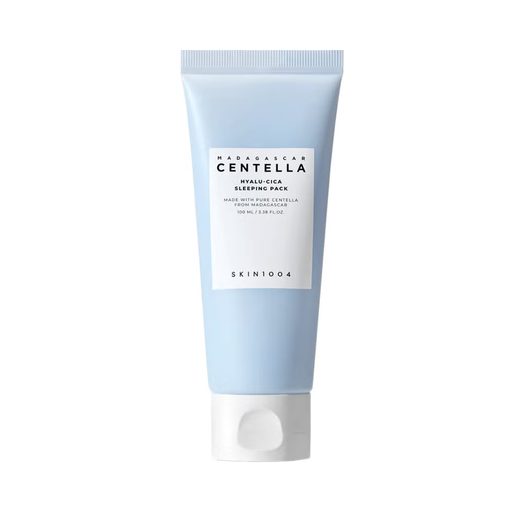
Why this fits the profile: The packaging contains 100 ml and the product description mentions a light texture that can be applied like a moisturiser. That’s practical for anyone trying a Korean sleeping mask for the first time.
The usage instructions are clear: a thin layer on the face and neck, with no greasy film according to the product description. Do check whether the fragrance and plant extracts suit your skin.
100 ml; centella asiatica, glycerine, panthenol, multiple forms of hyaluronic acid and ceramide NP are listed in the ingredients list provided.
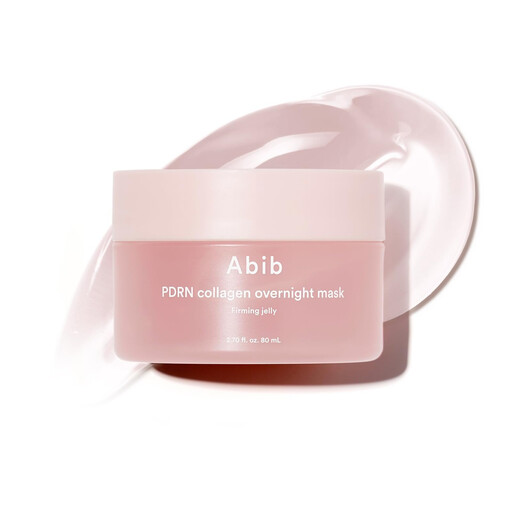
Why this fits the profile: The jelly texture and the mention of a fragrance-free formula suit users who prioritise wearing comfort and a simple overnight application.
The product information explicitly states use as a final step, two to three times a week. So you don’t automatically need to use it daily or in a thick layer.
80 ml; vegan PDRN and 300Da low-molecular collagen according to the product description; fragrance-free and described as clinically tested by the brand.
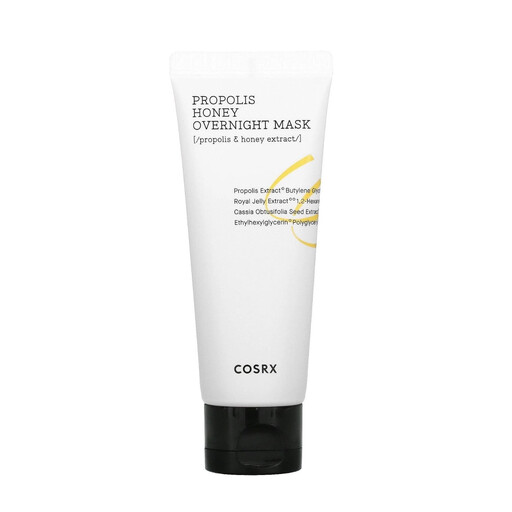
Why this fits the profile: The 3-in-1 application is handy for anyone who wants to use one product at different times: as an overnight mask, a cream or a rinse-off mask.
The packaging describes three ways to use it, with different amounts to apply and different leave-on times. That stops you from automatically leaving a rinse-off mask on all night.
60 ml; according to the product information, more than 70% propolis extract in the formula; can be used as a night mask, cream or wash-off mask.
We’ve put together a full, up-to-date list of products that fully meet these strict selection criteria and comply with current European safety regulations.
When trying a new product, start with one or two evenings a week. That way, you’ll notice how your skin reacts. An overnight mask is not a substitute for daytime sun protection or treatment for skin conditions.
Not always. A sleeping mask is often richer or forms an extra layer over your evening routine. Some products, such as a night mask from Laneige, can also be used as a cream according to the product description. Always check the official usage advice.
That depends on the formula and your skin. Some masks are suitable for daily use, while the Abib PDRN Collagen Overnight Face Mask is used two to three times a week according to the product information. Dry skin may need more frequent use, but sensitive skin calls for a cautious build-up.
Follow the expiry date and the period after opening on the packaging. Store the product in a cool, dry place, away from direct sunlight, and keep the packaging tightly closed. If the smell, colour or texture changes, stop using it, even if the date hasn’t passed yet.
