
Vandaag of morgen in huis

Kwaliteit gegarandeerd

Welkomstaanbiedingen ontgrendelen: GRATIS bezorging | Tot 80% korting | Gratis 30 dagen JoyPlus-proefperiode
Download de app
Finished a busy day and finding it hard to switch off? You're not alone. Many people are looking for a simple, natural way to relax in the evening. A warm cup of sleep tea can become a staple in your evening ritual. But with so many choices, from pure chamomile tea to complex herbal blends, it can be difficult to decide which tea is right for you.
This article is intended as a practical guide. We'll highlight some popular choices and give you concrete tips, so you can make an informed decision for your moment of calm.
Before we look at the products, here are a few points to consider that will help you with your choice.
The foundation of any herbal tea for sleep is its ingredients. Commonly used herbs include:
Look closely at the composition to see which herbs the tea contains and whether the flavour description appeals to you.
This may seem obvious, but it's essential. An evening tea must be a completely caffeine-free tea. Caffeine is a stimulant that will keep you awake. Therefore, always check the packaging to ensure you are choosing a pure herbal tea without black, green or white tea leaves (unless they have been decaffeinated).
Ultimately, drinking a cup of tea for stress is also a moment for yourself. The flavour is therefore just as important. Do you like a pure, mild flavour? Then a tea with only chamomile is a good start. Are you looking for something more complex? Then try a blend with fruit, spices or other herbs.
Below you'll find a selection of different types of calming tea that are popular with our customers. We have summarised the specifications for you.

Why it stands out: This tea combines several well-known herbs in one blend. Besides hemp (Cannabis sativa) with 200 mcg of CBD per bag, it also contains lemon balm, lemongrass, linden and valerian. According to the manufacturer Lucovitaal, valerian contributes to optimal relaxation and helps to cope with stressful situations.
Benefits:
Who it's for: For those who are curious about CBD tea and are looking for a herbal blend specifically formulated for relaxation.
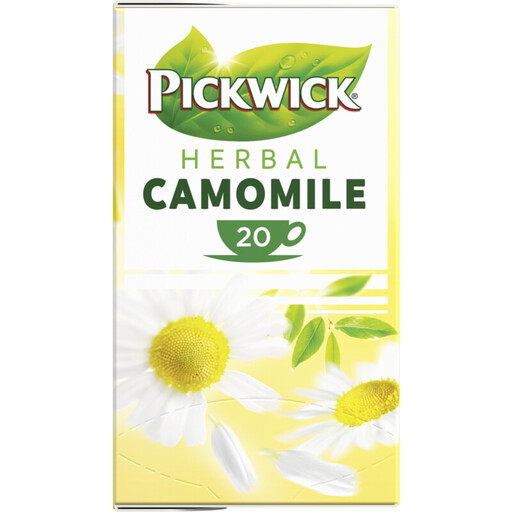
Why it stands out: Simplicity in its purest form. This tea from Pickwick contains only one ingredient: chamomile flowers. It's a classic for anyone looking for a mild, floral and familiar taste before bedtime.
Benefits:
Who it's for: For lovers of a pure and traditional herbal tea without extra flavours or additives. A good choice if you're trying sleep tea for the first time.
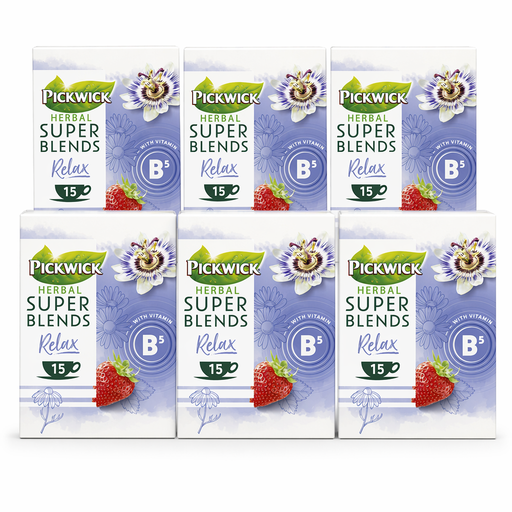
Why it stands out: This tea is more than just a simple herbal mix. Pickwick has created a blend of chamomile, passionflower and strawberry pieces, and added vitamin B5. The manufacturer states that vitamin B5 contributes to normal resistance to stress.
Benefits:
Who it's for: For those looking for a relaxing tea with a fruity and smooth flavour who find the addition of vitamin B5 interesting.
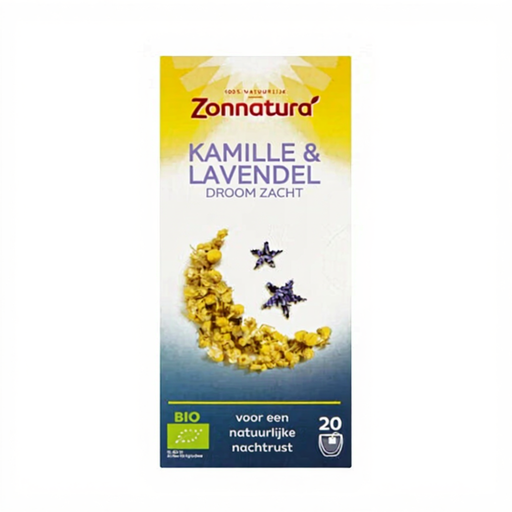
Why it stands out: This tea from Zonnatura is 100% organic and combines two classic calming herbs: chamomile (30%) and lavender (14%). The addition of lemon balm, fennel seed and rosehip gives the tea a soft, layered flavour.
Benefits:
Who it's for: For those who prefer organic products and appreciate the combination of chamomile and lavender for a moment of peace.
Is your ideal evening tea not listed here, or are you looking for a nice gift? A tea gift set can be a fun way to try different flavours.
View our full range of tea gift sets for more inspiration.
Sleep tea is a specific type of herbal tea. The main difference is the composition. Sleep tea contains a blend of herbs traditionally associated with relaxation and calmness, such as chamomile, valerian, passionflower or lavender. Moreover, it is by definition a caffeine-free tea, whereas not all herbal teas are (some, for example, contain yerba mate).
CBD (cannabidiol) is a non-psychoactive compound, which means it won't get you 'high'. Tea with CBD, like the one from Lucovitaal, is marketed as a product for relaxation. These teas often also contain other herbs like valerian, which, according to the manufacturer, contribute to relaxation. Everyone's experience is personal.
There's no fixed rule, but most people find it pleasant to drink their evening tea about 30 to 60 minutes before going to sleep. This gives you time to quietly enjoy your tea and incorporate it into your wind-down routine, for example, while reading a book or listening to calm music. For preparation, follow the instructions on the packaging for the correct steeping time.
