
Vandaag of morgen in huis

Kwaliteit gegarandeerd

Welkomstaanbiedingen ontgrendelen: GRATIS bezorging | Tot 80% korting | Gratis 30 dagen JoyPlus-proefperiode
Download de app
A new face cream, eye cream or skincare set can seem like a quick decision. Yet many shoppers end up paying for ingredients or promises that don’t really suit their skin type or daily routine. A rich cream might feel lovely on dry skin, but heavy on oily skin. And a long ingredients list on its own tells you very little about how easy it is to use or whether it’s right for you.
This guide will help you compare skincare products with a clear purpose. You’ll learn which product information really matters, which marketing claims to take with a pinch of salt, and which popular choices suit different types of shopper.
Vitamin C, niacinamide, hyaluronic acid and retinol crop up all the time in face creams and eye creams. But just because an ingredient is present doesn’t automatically mean that dark spots, dark circles or wrinkles will disappear. The result depends on the formula, the concentration, your skin’s condition and how you use it.
Always check the full ingredients list and the instructions for use. With retinol, extra care is needed: it can make your skin more sensitive to sunlight. Use a sun protection product during the day and follow the warnings on the packaging.
A hydrating cream can help add moisture to the skin, but the texture and formulation determine how it feels. A gel cream is often light and quick to absorb. A formula with shea butter, oils or a richer emollient may be better suited to dry hands or dry skin.
Also look out for fragrance and known fragrance allergens. A fragrance-free product, such as the OLAY Vitamin C Eye Cream, can be a practical choice if you prefer to avoid scent around the eyes. If you have sensitive skin, always check the current packaging.
Claims like “24-hour hydration”, “visibly fewer dark circles” or “results after two weeks” depend on how the test was set up. According to the product information from NIVEA, the 24-hour claim for the day cream is based on an instrumental test with 32 volunteers. According to the product information from OLAY, the claim about a more even skin tone after 14 days is based on a user study.
See these figures as useful extra information, not as a guarantee for your own skin. A patch test and a slow, steady introduction are far wiser than bringing in several new products all at once.
First, decide what you’re using the product for:
Read the INCI list, especially if you react to fragrance, essential oils or certain preservatives. The NIVEA Crème Care Shower Cream, for example, contains fragrance and fragrance allergens such as linalool, geraniol and limonene. That doesn’t automatically make it unsuitable, but it is relevant if you want to avoid these ingredients.
With vitamin C products, there are different forms, including ascorbic acid and more stable derivatives. A vitamin C cream can therefore feel different and be packaged differently. The Medicube Deep Vita C Capsule Cream, according to the product description, uses a separate gel and capsule component. With formulas like this, follow the mixing and storage advice exactly.
Compare millilitres or grams, not just the price of the pack. An eye cream often contains 15 to 30 ml because you only need a tiny amount each time. A hand cream of 100 ml or a shower cream of 500 to 750 ml is designed for more frequent use.
Check the shelf life information, batch code and period-after-opening symbol on the packaging. Store products in a cool, dry place away from direct sunlight when advised. Don’t use several strong active ingredients at the same time without first checking whether the combinations are suitable.
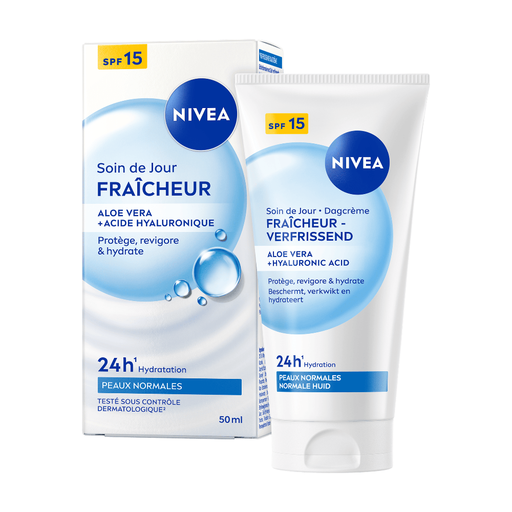
Why it fits this profile: A straightforward day cream for normal skin, with 50 ml and SPF 15 for everyday use.
The product information clearly states the skin type, volume and SPF 15, so you rely less on general marketing language.
50 ml, light formula according to the product description, vitamin E and SPF 15.
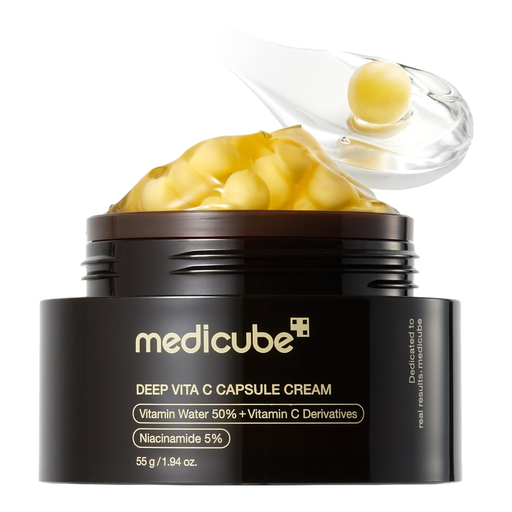
Why it fits this profile: For anyone who wants to incorporate a vitamin C cream with a unique two-component formula into a regular morning and evening routine.
The separate components make it clear that you need to follow the instructions; you’re not just buying a standard cream with a vague vitamin claim.
55 g, gel and capsule component, and ingredients including niacinamide, vitamin C derivatives and ferulic acid according to the product information.
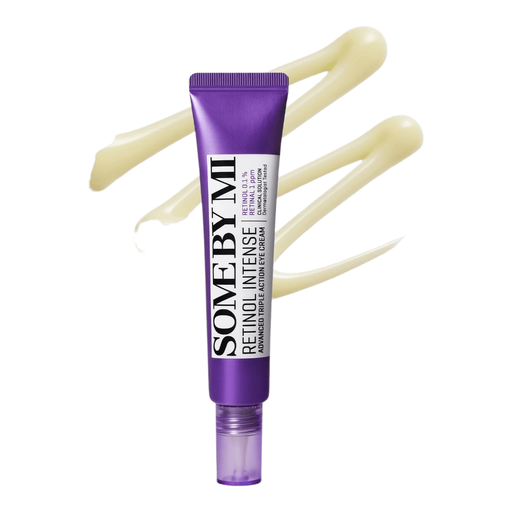
Why it fits this profile: For users who specifically want a retinol eye cream and are prepared to build up their routine slowly.
The usage information advises starting with every other evening when building up tolerance. Sun protection, a patch test and careful application are also mentioned.
Retinol, niacinamide and peptides according to the product description; suitable for use around the eye area with clear warnings.
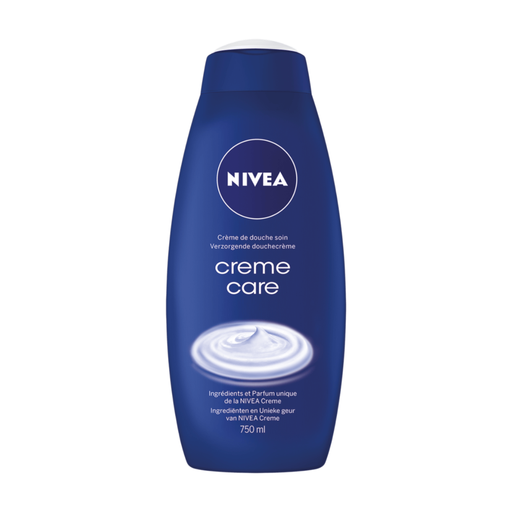
Why it fits this profile: A large pack for households that use a shower cream every day and prefer to reorder less often.
The 750 ml volume is clear upfront. You can compare the price per 100 ml rather than just looking at the promotional price.
750 ml, suitable for daily use according to the product information, and a formula that NIVEA says is 99% biodegradable.
We’ve put together a full, up-to-date list of products that fully meet these strict selection criteria and comply with current European safety regulations.
Start simply with a gentle cleanser, a moisturising cream and sun protection during the day. Then only add an eye cream, vitamin C cream or retinol product when you have a specific reason to. That way, you’ll notice more easily how your skin reacts to each product.
It varies depending on the formula and packaging. Check the open-jar symbol, the expiry date and the manufacturer’s instructions. Don’t store skincare in direct sunlight and close the packaging properly after use.
The price depends on the number of products, the volume and the ingredients used. A skincare set might look like good value, but check whether you’ll actually use every item. Compare the total volume and see whether the set includes, for example, a facial cleanser, eye cream, day cream and masks. A separate hand cream or shower cream can be more practical if you only have one specific care need.
