
Vandaag of morgen in huis

Kwaliteit gegarandeerd

Welkomstaanbiedingen ontgrendelen: GRATIS bezorging | Tot 80% korting | Gratis 30 dagen JoyPlus-proefperiode
Download de app
Starting a new skincare routine seems simple, but attractive packaging or a promise such as “visible results in just a few days” says little about whether a product is right for your skin. The best choice depends mainly on your skin type, the ingredients, how often you use it and where you apply it.
This applies to facial skincare, face serums, eye creams and body lotion. Use the checks below to avoid paying for a formula you’ll barely use or that doesn’t meet your skin’s needs.
A product with lots of active ingredients isn’t automatically suitable for daily use. For example, fragrance, alcohol, essential oils or several exfoliating ingredients may not be ideal for sensitive skin. Always check the full ingredients list, not just the standout ingredients on the front of the pack.
When caring for dry skin, look out for hydrating and soothing ingredients such as glycerine, panthenol, ceramides, oils and hyaluronic acid. If you have oily or blemish-prone skin, you may prefer a lightweight texture and ingredients such as salicylic acid. Personal tolerance still matters in either case.
Claims about reducing wrinkles, pigmentation or reducing dark circles depend on the formula, how you use it and your skin. Don’t treat such claims as a certainty. A brand’s own research may suggest that certain results are visible after a specific period, but that doesn’t guarantee the same outcome for everyone.
An eye cream can hydrate the skin around your eyes and temporarily make fine lines caused by dryness less noticeable. That’s not the same as removing wrinkles. It’s important to have realistic expectations of cosmetics.
A routine with a cleanser, toner, several serums, eye cream, anti-ageing cream and sleeping mask can become unnecessarily complicated. It also makes it harder to work out which product is causing a reaction.
It’s better to start with a simple routine:
Introduce a retinol eye cream, vitamin C cream or exfoliant gradually. If you have sensitive skin, test a small amount on a limited area first.
Check whether the product is intended for your face, the eye area or your body. Body lotion is generally not formulated for the delicate skin around your eyes. Eye cream often has a lighter or specially adapted formula and should be applied in a small amount.
Also check whether the product description mentions your skin type, such as dry, normal, combination, oily or sensitive skin. “Suitable for all skin types” is a general product description, not a guarantee that your skin will tolerate the product well.
Concentration makes a difference. For example, The Ordinary The Clear Set lists 2% salicylic acid. The set combines this serum with a cleanser and a gel cream. This makes the routine easy to follow, but be sure to follow the instructions and avoid combining it with too many other exfoliating products.
Beauty Of Joseon Glow Deep Serum lists 2% alpha-arbutin and rice bran water. This may be worth considering if your complexion looks dull or uneven. The product description says it is intended to brighten the skin; this shouldn’t be taken as a medical treatment or a guaranteed solution for pigmentation.
Check the use-by date, batch details and period after opening on the packaging. Store products according to the instructions, usually in a cool, dry place away from direct sunlight. Retinol and vitamin C products need extra care when it comes to storage and introducing them to your routine.
It’s important to introduce a retinol eye cream gradually. According to SOME BY MI’s product information, retinol can make your skin more sensitive to sunlight. Use sun protection during the day and follow the warnings on the label. If you’re pregnant, breastfeeding or unsure about using retinol, it’s sensible to speak to a healthcare professional.
The selection below is based on verifiable details such as size, ingredients, area of use and product type. Results may vary from person to person.
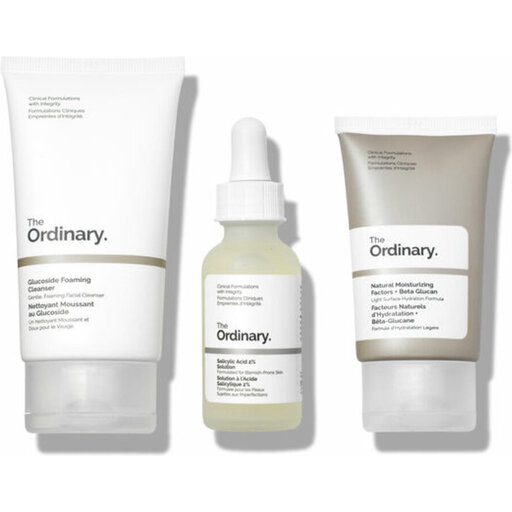
Why it suits this profile: The three steps comprise a foaming cleanser, a serum with 2% salicylic acid and a lightweight gel cream. It’s a practical choice for teenagers and adults who want to get started without buying lots of separate products.
You’re not buying a collection of separate products with no clear order. The set clearly explains which three products are included and what they’re for.
110 ml in total, three products and a lightweight gel cream with Natural Moisturizing Factors + Beta Glucan.
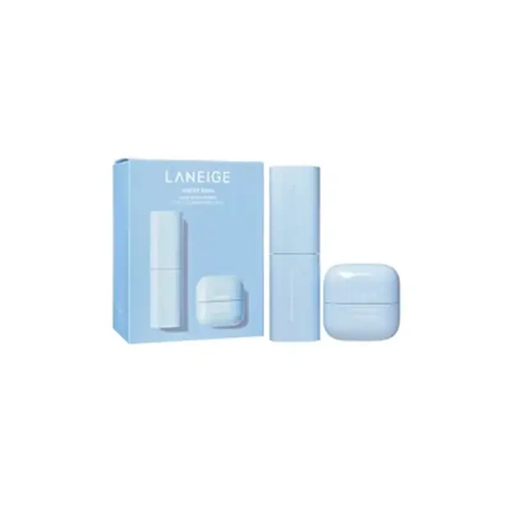
Why it suits this profile: This Korean skincare set combines a serum and a moisturiser. It’s a good fit for anyone looking for a layered routine with products that, according to the description, can be applied one after the other.
The set makes the order clear: apply the serum to clean skin first, then use the moisturiser. The product information recommends a patch test.
Two 50 ml products, a lightweight texture according to the product description, and a formula that can be incorporated into a daytime routine.
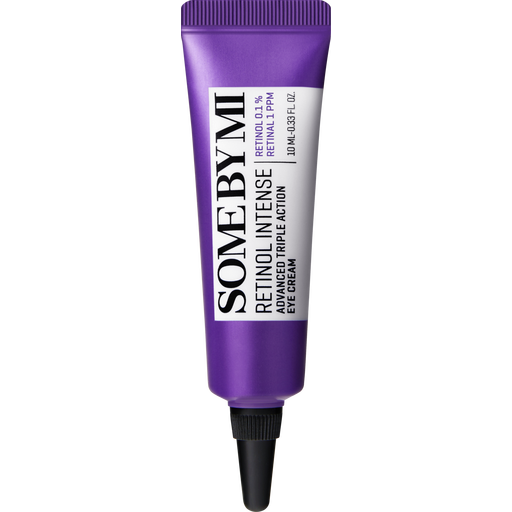
Why it suits this profile: If you’re looking specifically for a retinol eye cream, this product’s ingredients list includes retinol, niacinamide and panthenol. It’s designed for use around the eyes, so it’s important to introduce it gradually.
The directions warn about sensitivity to sunlight, the need to build up tolerance and the possibility of dryness or redness. This makes it clear that you shouldn’t apply it generously without introducing it gradually.
30 ml, a retinol formula, plus instructions for patch testing and using it every other evening.
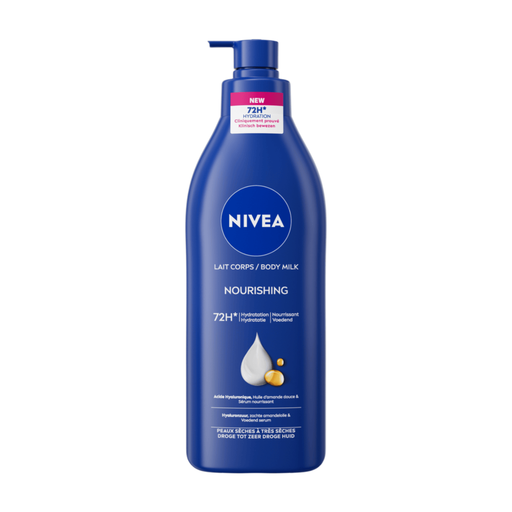
Why it suits this profile: This body milk is designed for dry to very dry skin and, according to the ingredients list, contains glycerine, sodium hyaluronate and almond oil, among other ingredients. The pump bottle is handy for everyday use on your body.
The product information specifies the intended skin type and warns about fragrance allergens. This means you can check in advance whether the formula suits your preferences.
400 ml, a pump bottle, hyaluronic acid and almond oil. According to NIVEA’s own research, the lotion provides up to 72 hours of hydration.
We’ve put together a complete, up-to-date list of products that meet these strict selection criteria and current European safety regulations.
Start by cleansing, use a face serum if you like, then finish with a moisturiser. Add sun protection during the day. Introduce active products such as retinol, vitamin C cream or salicylic acid one at a time. This makes it easier to see how your skin reacts.
It depends on the formula and packaging. Check the use-by date and period after opening on the label. A change in smell, colour, texture or consistency may be a reason to stop using the product. Don’t store cosmetics in direct sunlight or somewhere warm and humid.
Not necessarily. Dark circles can have various causes, and an eye cream may mainly hydrate or temporarily make them look less noticeable. So compare the ingredients, size, texture and directions for use rather than looking at the price alone. Stop using the product if irritation occurs and avoid contact with your eyes.
