
Vandaag of morgen in huis

Kwaliteit gegarandeerd

Welkomstaanbiedingen ontgrendelen: GRATIS bezorging | Tot 80% korting | Gratis 30 dagen JoyPlus-proefperiode
Download de app
Starting a new skincare routine seems simple: cleanser, serum, moisturiser and perhaps a face mask. Yet many people buy a product based on a striking claim, without checking whether the formula suits their skin type or how they plan to use it. With Korean skincare, retinol serums and serums for dark spots in particular, it’s important to look beyond the packaging.
A product with dozens of ingredients isn’t automatically more suitable. Pay particular attention to the first five to ten ingredients in the INCI list. These are generally the ingredients present in the highest concentrations. Glycerine, hyaluronic acid and panthenol, for example, suggest a hydrating, skin-supporting formula. Retinol, alpha-arbutin or niacinamide may be relevant to specific skin concerns, but should be used appropriately.
Terms such as “glass skin”, “laser effect” or “instant rejuvenation” don’t guarantee a particular result. A brand may report certain visible improvements based on its own research, but results can vary from person to person. So look for verifiable information such as size, ingredients, frequency of use, skin type and warnings.
Combining a retinol serum, a serum for dark spots and an acne treatment can make your routine unnecessarily complicated. Salicylic acid, retinol and strong exfoliating ingredients may cause irritation for some people. Start with one new product and gradually increase how often you use it. If redness, itching or a burning sensation persists, it’s best to stop using the product; consult a doctor if symptoms continue.
A small pack with a concentrated formula can be useful if you want to try an active ingredient first. A larger ampoule is more practical if you use the same product every day. Always check the expiry date, batch information and period after opening on the packaging.
With a serum in capsules, such as Roc Retinol Correxion serum, each capsule gives you a measured dose. With an ampoule or dropper bottle, you decide how much to use. That gives you flexibility, but can also lead to using too much.
Cosmetics sold in the European Union must include information such as an ingredients list, details of the responsible person and safety information. Check that these details are clearly available. A brand claim such as “dermatologically tested”, “vegan” or “hypoallergenic” doesn’t mean a product will suit everyone. A patch test is still useful, especially if you have sensitive skin or are using a formula containing retinol, fragrance or exfoliating ingredients.
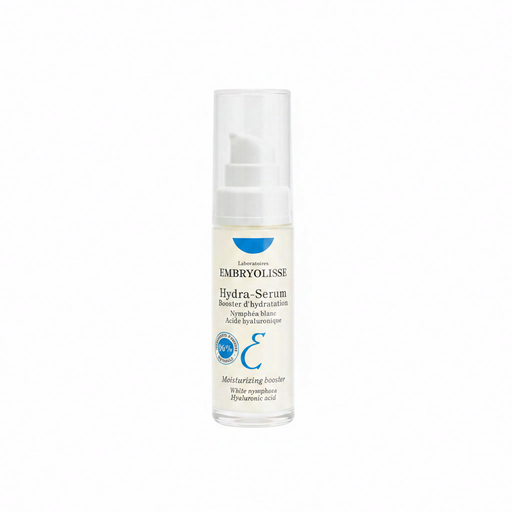
Why it suits this profile: Its lightweight serum texture and focus on hydration make it a straightforward starting point if you don’t yet have an extensive routine.
The product information gives clear directions: apply a few drops under your day or night cream. This helps you avoid a complicated routine with too many active products.
Contains glycerine, sodium hyaluronate and water lily extract; 30 ml in a glass bottle.
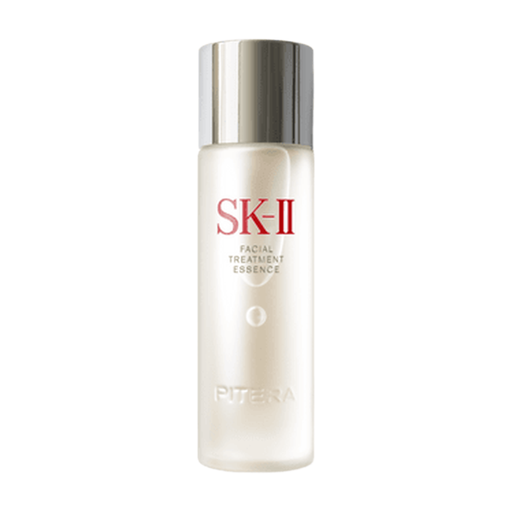
Why it suits this profile: The generous size is ideal if you want to apply an essence every day without having to replace small bottles frequently.
The directions clearly say to apply it to cleansed skin. However, check the fragrance and ingredients, as the product information states that the essence is not fragrance-free.
230 ml; according to the product information, the formula contains more than 90% PITERA.
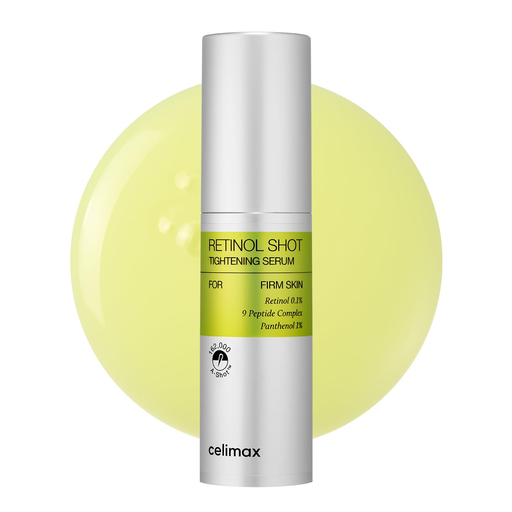
Why it suits this profile: This retinol serum is designed for people who want to add retinol and peptides to their evening routine with a specific goal in mind.
The instructions recommend starting twice a week, doing a patch test and using sunscreen during the day. This helps reduce the risk of increasing use too quickly.
Contains retinol, panthenol, allantoin, hyaluronic acid and several peptides; 30 ml.
Keep the basics simple: cleanse, use one targeted serum, moisturise and apply sun protection during the day. Treat a face mask as an occasional extra step at most. For example, you can use a centella ampoule alongside a hydrating cream, while it’s best not to combine a retinol serum with several other strong active ingredients on the same evening.
If hydration is your main concern, you could also try a sheet mask. For products such as the JMsolution Cactus Mask, check that the recommended application time and any fragrance suit your preferences. For targeted treatment of a blemish, Murad Deep Relief Blemish Treatment contains 2% salicylic acid, according to the product information. It’s best to apply it to the affected area only, and stop using it if irritation occurs.
We’ve put together a complete, up-to-date list of products that meet these strict selection criteria and the current European safety requirements.
It depends on the ingredient. A hydrating serum can often be used daily, following the label. With retinol, it’s best to start with one or two evenings a week. Only increase how often you use it if your skin tolerates it well.
Check the open-jar symbol, for example 6M or 12M, as well as the information on the packaging. Store serums in a cool, dry place away from direct sunlight. Retinol products should be stored carefully, following the instructions.
No. A face mask is an optional extra, not an essential step. Choose one to suit your skin concern and use it for the recommended time. A simple routine that you follow consistently is often more practical than using lots of products at once.
