
Vandaag of morgen in huis

Kwaliteit gegarandeerd

Welkomstaanbiedingen ontgrendelen: GRATIS bezorging | Tot 80% korting | Gratis 30 dagen JoyPlus-proefperiode
Download de app
Online, you’ll find thousands of skincare products: from body lotion and face cream to micellar water, serum, toner and sun cream. Yet a long ingredients list or a promise like “48-hour hydration” doesn’t automatically mean a product is right for your skin or routine.
The right choice starts not with the packaging, but with your usage moment, skin type and the verifiable product specifications.
Terms like “intensive”, “natural” and “restorative” sound appealing, but they need to be considered in the context of the full formula. Always check the ingredients, volume and instructions for use. For example, a product with hyaluronic acid may feel hydrating, but the texture, fragrance ingredients and other components also determine whether it works well for your skin.
A body lotion is formulated for a larger skin surface and isn’t automatically suitable for the face. Conversely, a small tube of face cream can be impractical and expensive for daily use on arms and legs. Also pay attention to the difference between a moisturising cream, a serum and a toner:
SPF 30 and SPF 50 provide information about protection against UVB radiation under standardised conditions. In practice, protection also depends on how much you apply and how often you reapply. Choose a product with stated UVA and UVB protection, follow the instructions on the packaging and reapply after swimming, sweating or towel drying.
For dry skin, ingredients such as glycerine, sodium hyaluronate, oils or ceramides can be relevant. If you react sensitively to fragrance, you should pay attention to fragrance ingredients and known fragrance allergens such as linalool, citronellol or limonene. “For sensitive skin” is no guarantee for everyone: read the ingredients list and try a new product on a small area of skin first.
For acne-prone skin, a light, fast-absorbing texture may be more comfortable. However, check whether “non-comedogenic” actually appears in the product information. This is no reason to ignore other warnings or a possible individual reaction.
Don’t just compare the price, but also the quantity and usage. A 400 ml pump bottle can be practical for daily body lotion. A 30 ml or 50 ml serum is usually used in smaller amounts. Also look at the shelf life, the symbol for the period after opening and the storage instructions.
For normal skin, a mild micellar water may be sufficient for daily cleansing. For dry or sensitive skin, a fragrance-free formula can be a logical choice. For waterproof mascara or stubborn make-up, use a product where this is explicitly stated in the product description.
For outdoor use, sun cream SPF 30 and sun cream SPF 50 are practical categories to compare. SPF 50 isn’t automatically necessary for every moment, but can suit fair skin, prolonged exposure or strong sunlight. Always follow the label.
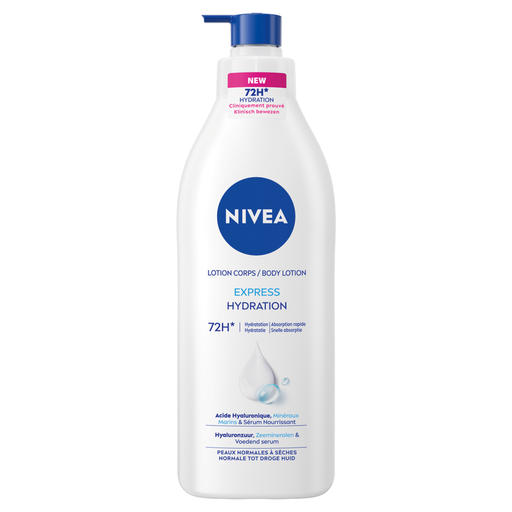
Why this suits the profile: The pump bottle and 400 ml volume are practical for daily use all over the body, for example after showering.
The product information clearly states the target group: normal to dry skin. The formula contains fragrance allergens; so check the label if you are sensitive to them.
400 ml, pump bottle, glycerine and sodium hyaluronate in the ingredients list. According to NIVEA’s own research, the lotion provides up to 72 hours of hydration.
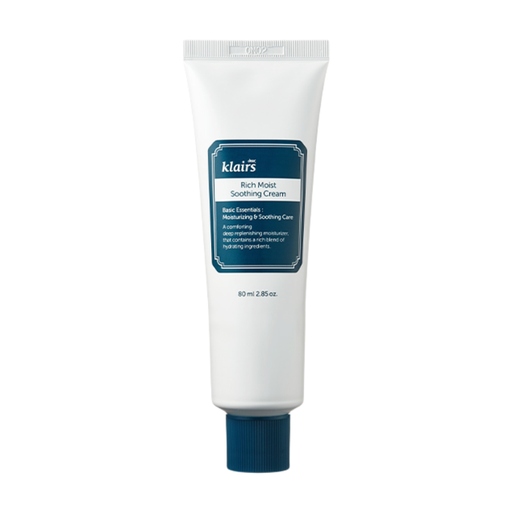
Why this suits the profile: This face cream suits those looking for a richer cream for dry or sensitive skin and who consciously compare ingredients.
The ingredients list is available and includes shea butter, jojoba oil, beta-glucan, ceramide NP and sodium hyaluronate. It also contains several essential oils; check this if you have sensitive skin.
80 g volume and a formula with multiple humectant and emollient ingredients. According to the product description, the cream is intended for all skin types, with extra attention to sensitive skin.
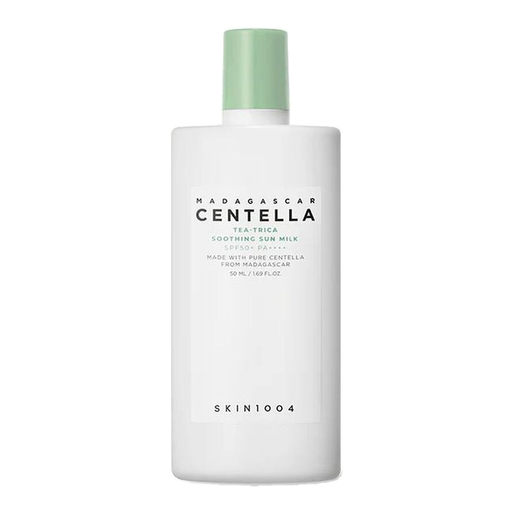
Why this suits the profile: The milky texture is designed for daily use on UV-exposed areas and suits those looking for a compact sun protection product.
The product information mentions reapplying after two hours and after swimming, sweating or towel drying. This makes it clear that one application is not enough for the whole day.
50 ml, fast-absorbing texture and ingredients such as niacinamide, ceramide NP and Centella asiatica extract. The product information states suitability for normal, sensitive and acne-prone skin.
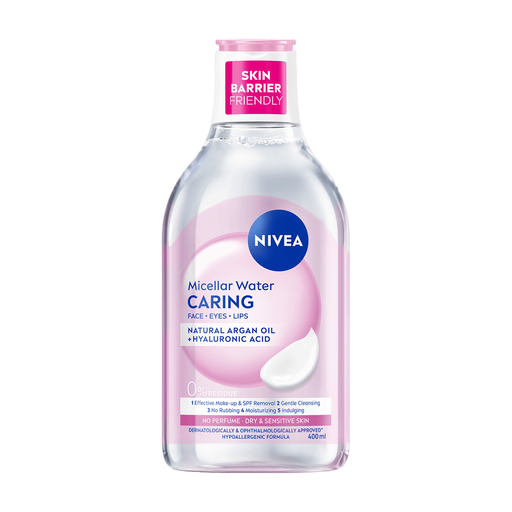
Why this suits the profile: Handy for those who want to remove make-up, SPF and dirt without an extensive cleansing routine.
The description explicitly mentions removal of waterproof make-up and SPF, as well as use with a cotton pad without rinsing. If your eyes are sensitive, careful application remains important.
400 ml, fragrance-free formula according to the product information and argan oil, glycerine and sodium hyaluronate in the ingredients list.
We’ve put together a full, up-to-date list of products that fully meet these strict selection criteria and comply with current European safety regulations.
Start with a mild facial cleanser or micellar water. Then apply a toner and serum if desired, followed by a moisturising cream. During the day, finish with sun cream, for example SPF 30 or SPF 50 depending on your situation. Don’t add several new active products at once; this way you can better see how your skin reacts.
Check the expiry date and the symbol of the opened jar on the packaging. Store products according to the instructions, usually cool, dry and out of direct sunlight. A change in smell, colour or texture can be a reason not to use the product any more.
No. Nutritional supplements do not replace a varied diet and are not automatically necessary for every consumer. With products like Lucovitaal Skin, Hair & Nails, you need to check the dosage, nutrients and warnings. Pay extra attention if you are taking medication, are pregnant or breastfeeding. If in doubt, it’s wise to consult a doctor or pharmacist.
