
当日/次日达

品质保障

开启新人专享福利: 全场免邮 | 低至 2 折 | 免费试用 30 天 JoyPlus 会员
下载 Joybuy
Online, you’ll find skincare products for almost every purpose: hydration, cleansing, exfoliation, skin repair and sun protection. Yet an attractive package or a long list of ingredients is no guarantee that a product will suit your skin. By buying with a clear goal in mind, you can avoid wasted purchases and use fewer different products at the same time.
Words like hyaluronic acid, aloe vera, Centella Asiatica and vitamin C sound convincing. However, their presence doesn’t automatically tell you how much of the ingredient is in the formula, how your skin will react, or what the product is actually for. Always check the full ingredients list and the instructions for use.
A moisturiser with hyaluronic acid can be pleasant for dry skin, but sensitive skin may still react to fragrance or certain plant extracts. The same goes for Korean skincare: a trendy product isn’t necessarily suitable for every skin type.
A product described as suitable for all skin types can still contain fragrances, fruit acids or essential oils. This is especially relevant for sensitive or acne-prone skin. Check for ingredients that have caused you problems before, and always test a new product on a small patch of skin first.
Extra caution is needed with eczema and psoriasis. Lucovitaal products in this category are medical devices; read the patient information leaflet before use and follow the instructions. If symptoms persist or worsen, seek advice from a doctor or dermatologist.
A body butter can feel comfortable on very dry areas, but it may be less pleasant under clothing. A light body lotion usually absorbs more quickly and is more convenient for daily use. Texture also matters for facial skincare: an oil cleanser, gel cleanser and rich moisturiser each have a different time of use.
Start with the question of what you need the product for:
Exfoliating ingredients such as AHA, BHA and PHA can help refine skin texture according to the product description, but they can also cause sensitivity. BHA Blackhead Power Liquid contains salicylic acid and is intended for use on, among other areas, the T-zone. Start gently and don’t combine several exfoliants at once.
With products containing AHA, BHA or PHA, sun protection is especially important, as the skin may become more sensitive to sunlight. Always follow the packaging and avoid contact with the eyes.
Don’t just compare the price – also compare the amount. A 400 ml bottle is practical for daily body use, while a 50 ml face cream is mainly intended for targeted, sparing application. Also check:
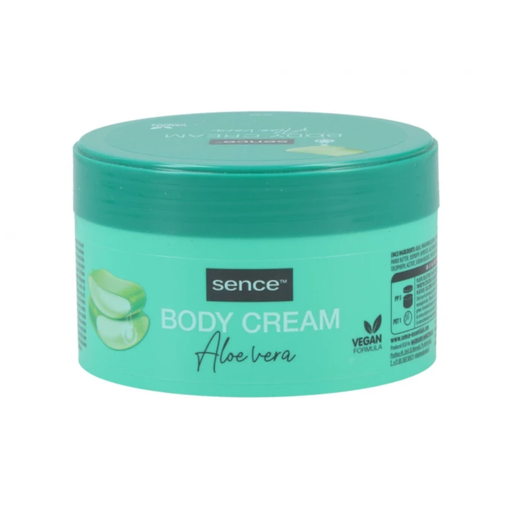
Why this fits the profile: A simple body cream for anyone looking for daily hydration without building an elaborate routine straight away.
The volume and product type are clearly stated: 200 ml body cream with aloe vera. Check the packaging for the current ingredients and shelf life.
Aloe vera variant, 200 ml and intended for the body. According to the product description, the cream is focused on hydration.
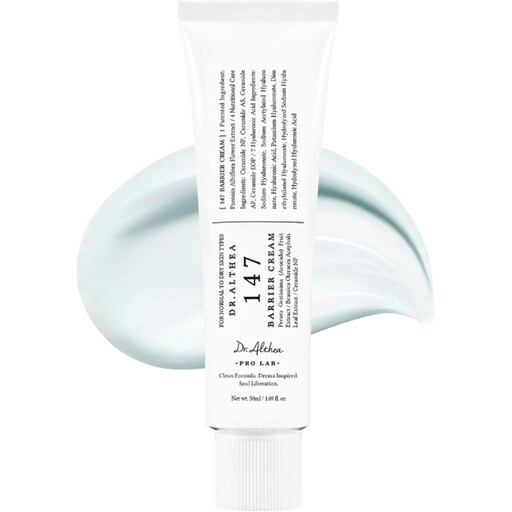
Why this fits the profile: For anyone looking for a face cream with multiple hydrating ingredients and a richer focus on the skin barrier.
The formula mentions seven types of hyaluronic acid and ceramides. If you have sensitive skin, still check the full ingredients list.
According to the product description, it contains hyaluronic acid, ceramides, vitamin E and guaiazulene. Volume: 50 ml.
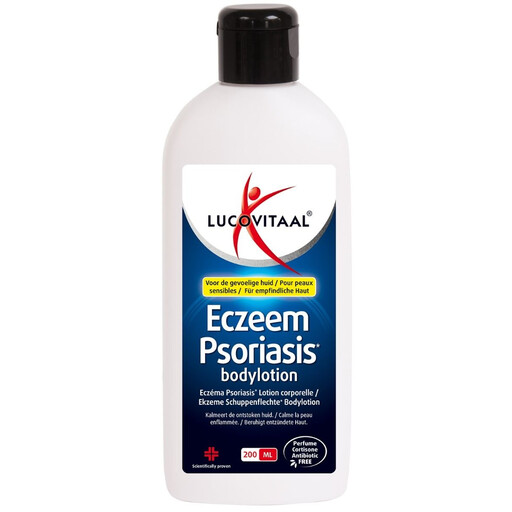
Why this fits the profile: Aimed at adults looking for a product for a doctor-diagnosed eczema- or psoriasis-prone skin.
The product description clearly states that it is a medical device. Read the instructions before use and stop if irritation occurs.
Fragrance-free according to the product data, 200 ml and intended for daily use on the affected skin.
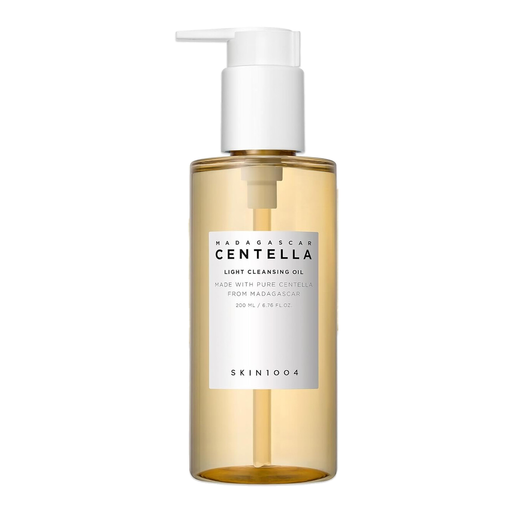
Why this fits the profile: For anyone wanting to remove make-up, sunscreen and excess sebum as the first step of a double cleansing routine.
The usage steps are clear: apply to a dry face with dry hands, massage in and rinse off with lukewarm water.
According to the product description, it contains six plant oils and Madagascar Centella. Volume: 200 ml.
Keep your routine straightforward:
It’s best to test new products one at a time. That way, you can more quickly identify which product is causing a reaction. If you experience redness, swelling, itching or a burning sensation, stop using it and, if symptoms persist, consult a healthcare professional.
We’ve put together a full, up-to-date list of products that fully meet these strict selection criteria and comply with current European safety regulations.
That depends on the product, the ingredient and your skin goal. Hydration can be noticeable quickly, for example when a tight feeling subsides. For exfoliating skincare or a new facial skincare routine, it may take longer. Don’t use several new products at once, so you can assess your skin’s reaction.
That’s not automatically a good idea. A body lotion is formulated for the skin on your body and may contain fragrance or a richer texture. Only use a product on your face if the packaging says it’s suitable. For your face, choose a moisturiser or face cream that is intended for that area.
Store products in a cool, dry place away from direct sunlight, and close the packaging properly after use. Check the jar symbol for the period after opening and always follow the information on the packaging. If the colour, smell or texture changes, it’s best not to use the product any more.
