
Vandaag of morgen in huis

Kwaliteit gegarandeerd

Welkomstaanbiedingen ontgrendelen: GRATIS bezorging | Tot 80% korting | Gratis 30 dagen JoyPlus-proefperiode
Download de app
Putting together a new routine seems simple, until you have to choose between face cream, face serum, Korean skincare, beauty devices and supplements. Marketing can make products sound more appealing than the information on the label warrants. A high concentration or a promise to “restore” your skin doesn’t automatically mean a formula is right for you.
So pay close attention to the ingredients list, directions for use and safety information. Read on to find out how to compare skincare products and choose options to suit different routines.
Niacinamide, hyaluronic acid, Centella asiatica and retinal are popular ingredients. But their presence doesn’t tell you everything. The concentration, the rest of the formula and how often you use the product all help determine how it feels and whether your skin tolerates it.
Claims such as “restores the skin barrier”, “reduces acne” or “stimulates collagen” should also be read carefully. A brand may describe an effect based on its own research, but that doesn’t guarantee the same result for every user. If you have persistent skin concerns, it’s better to ask a doctor or dermatologist for advice than to keep adding more products.
A retinal serum, niacinamide serum, exfoliant and azelaic acid product may all be worth considering on their own. But combining several active formulas without introducing them gradually can lead to redness, dryness or tightness.
Introduce one new product at a time. First, test a small amount on a limited area of skin and follow the directions on the packaging. Use sun protection during the day if the product information recommends it, especially with retinal or other ingredients that can make your skin more sensitive to sunlight.
A product marketed as suitable for all skin types may still contain fragrance, essential oils or silicones, or have a rich texture. That’s not necessarily a problem, but it’s worth bearing in mind if you have sensitive or acne-prone skin.
Check the packaging for the current INCI list, too. For example, the available product information for the SKIN1004 Discovery Kit states that the ingredients list cannot be fully guaranteed because of the source formatting. So use the officially EU-compliant packaging as your guide.
A richer moisturiser with glycerine, squalane, fatty acids or ceramides is often a good fit for dry skin. Oily or combination skin may feel more comfortable with a gel cream or lightweight lotion.
A skin barrier moisturiser usually contains ingredients that help lock in moisture and keep your skin feeling comfortable. The Ceramide Skin Barrier Moisturizer lists ceramides, cholesterol, phytosphingosine, panthenol and several forms of hyaluronic acid, among other ingredients. Always check that your skin tolerates the full formula.
For sensitive skin, a short ingredients list, fragrance-free options and a gradual approach are often practical choices. “Hypoallergenic” doesn’t guarantee that a reaction is impossible.
Check the following for each product:
A hyaluronic acid supplement works differently from a serum or cream. Davitamon ProAging Complex contains 200 mg of hyaluronic acid per daily dose, as well as vitamins and minerals. According to the product information, it is a food supplement and is not a substitute for a varied diet. Don’t exceed the recommended dose. If you’re pregnant or breastfeeding, taking medication or have an illness, ask a doctor for advice.
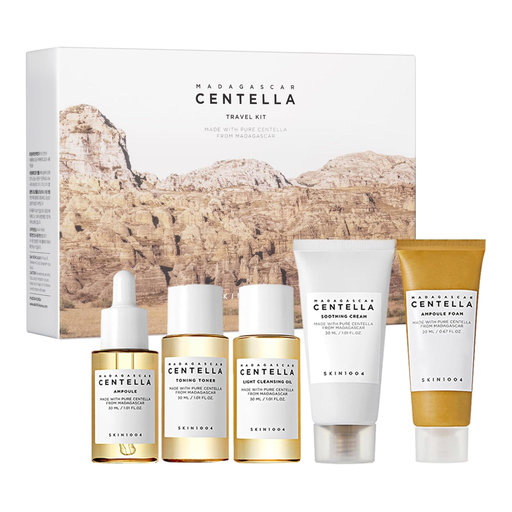
Why it suits this user: The set includes five steps, from cleansing and toning to an ampoule and cream. It’s a straightforward way to try a complete Korean skincare routine.
You don’t have to buy several separate full-size products straight away. You should still check the official ingredients list on the packaging.
450 ml in total across five products; clear steps for morning and evening.

Why it suits this user: A good choice if you’re looking for a rich moisturiser with ceramides and several hydrating ingredients.
The ingredients list shows that the product offers more than a general claim about hydration.
80 ml; ceramides NP, NS, AP, AS and EOP; fragrance is not listed in the stated ingredients.
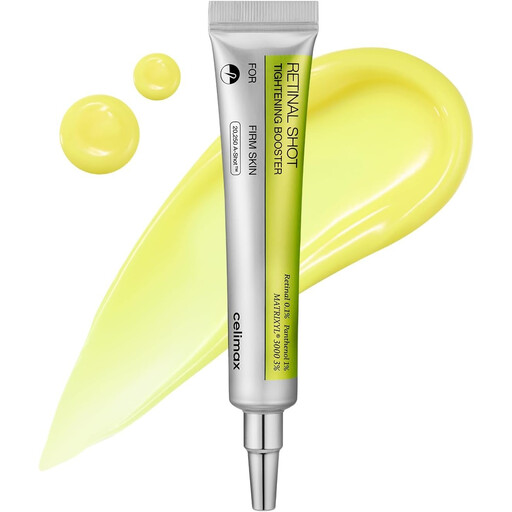
Why it suits this user: For users who already have an established routine and want to add a retinal serum to their evening skincare.
The directions recommend starting slowly, using a small amount and applying it in the evening. This helps prevent overuse.
0.1% retinal; 15 ml; warning about sun sensitivity and advice to use sun protection during the day.
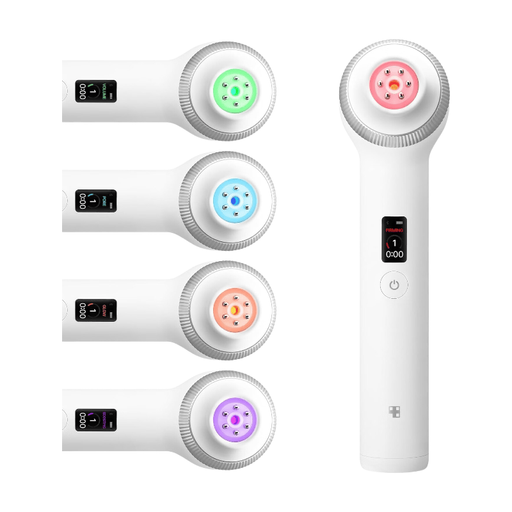
Why it suits this user: For anyone looking to add an electric beauty device for the face to their skincare routine, alongside cosmetics, and able to follow the safety guidance.
The information sets out specific restrictions, such as not using it on irritated skin or if you have certain implanted electronic devices.
USB-C rechargeable; lithium-ion battery included; six metal contact points and multiple intensity levels according to the product specifications.
We’ve put together a complete, up-to-date list of products that meet these strict selection criteria and the applicable European safety requirements.
Start with cleansing, followed by a moisturising product and sun protection during the day. Then add no more than one serum. A face serum or Centella ampoule can be applied before your cream. Give your skin time to adjust to the routine before adding a second active ingredient.
That depends on the size, how much you use and how often you use it. A 30 ml product will run out faster if you use it several times a day. Check the expiry date, the period-after-opening symbol and the storage advice. Close jars and bottles properly and keep them out of direct sunlight.
Don’t just look at the purchase price. Divide the price by the estimated time the product will last, and include any additional products you may need, such as a moisturiser or sun protection. A set may seem like good value, but individual products are more practical if you only have one specific concern, such as hydration or caring for sensitive skin.
