
Vandaag of morgen in huis

Kwaliteit gegarandeerd

Welkomstaanbiedingen ontgrendelen: GRATIS bezorging | Tot 80% korting | Gratis 30 dagen JoyPlus-proefperiode
Download de app
Choosing a new cream, cleanser or serum seems simple until you come across terms such as “intensive hydration”, “glow” and “skin barrier repair”. Not every promise suits your skin type or daily routine. With this guide, you can compare skincare products by their ingredients, texture, use and packaging information.
A long list of plant extracts, acids and oils may sound appealing, but on its own it says little about whether a product is suitable for your skin. Focus instead on ingredients that match your goal:
Also check the complete INCI list on the packaging. Natural fragrances and essential oils can cause a reaction in some users.
A face cream is usually developed for finer, more sensitive skin. A body cream or body lotion is often richer or intended for larger, drier areas. A product that feels comfortable on your arms or legs is therefore not automatically suitable for your face.
Pay attention to the stated area of application, texture and volume. A 400 ml lotion is practical for everyday body care, while a 30 to 100 ml jar is often better suited to facial skincare.
A product may be described as suitable for all skin types, but your preference for a lightweight gel cream or, alternatively, a rich cream still matters. Oily or blemish-prone skin may find a heavy texture uncomfortable. On dry skin, a lightweight lotion may not feel sufficiently nourishing.
It is best to apply new products to a small area of skin first. Stop using the product if you experience redness, itching, swelling or a burning sensation. If symptoms persist, seek advice from a doctor or dermatologist.
Decide whether you are mainly looking for:
A simple routine often consists of cleanser, serum or toner and a moisturising cream. During the day, suitable sun protection should also be included when you are exposed to sunlight.
A gel cream generally feels lightweight and suits morning use or skin that does not like a greasy layer. A rich cream may be more suitable for the evening or for dry skin. A mist is convenient to use throughout the day, but does not always replace a full cream.
Also check the instructions for use. Some products are intended for daily use, while a formula containing AHA, BHA or PHA should be introduced gradually and carefully.
Compare the net volume and check the packaging for:
Claims such as “clinically tested”, “non-comedogenic” or “48-hour hydration” are product claims. Do not treat them as a guarantee of your personal results. For example, Clinique Moisture Surge states that the product provides up to 100 hours of hydration; this is a claim from the brand’s product information and is not a guaranteed result for every user.
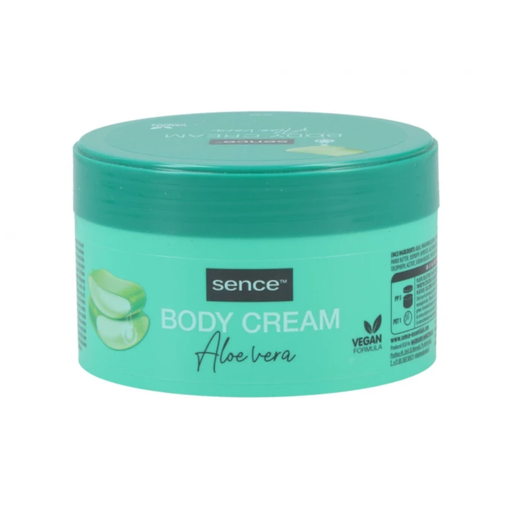
Why it suits this profile: A simple 200 ml body cream for everyday use on your arms, legs and other areas of the body.
The product information clearly states the type, variant and volume. This makes it clear that it is a body product rather than a face cream.
Aloe vera variant, 200 ml volume and suitable for a simple daily body-care routine.

Why it suits this profile: For anyone who wants to combine Korean skincare with a targeted moisturising face cream for dry or normal skin.
The formula lists five types of hyaluronic acid, argan oil and apricot oil. However, always check the current packaging if you are sensitive to particular ingredients.
Gel-cream texture, 100 ml volume and ingredients including glycerine, panthenol, ceramide NP and several forms of hyaluronic acid.
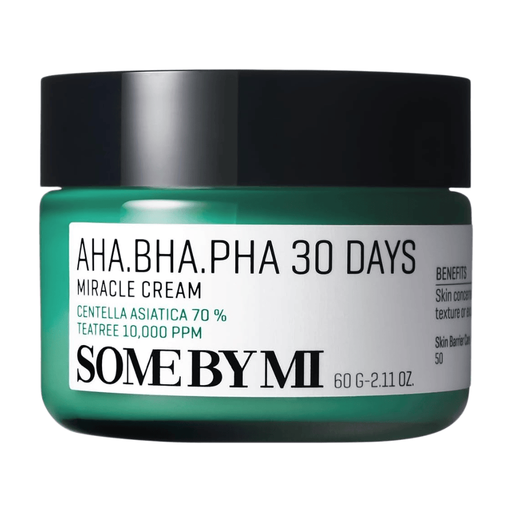
Why it suits this profile: For users who consciously want to add a formula containing exfoliating acids and centella asiatica to their routine.
The product information explicitly mentions AHA, BHA and PHA, along with warnings about sun sensitivity and patch testing. This makes it easier to assess the formula responsibly.
Contains 70,78% centella asiatica extract according to the product information, as well as niacinamide, ceramide NP and hydrating ingredients.
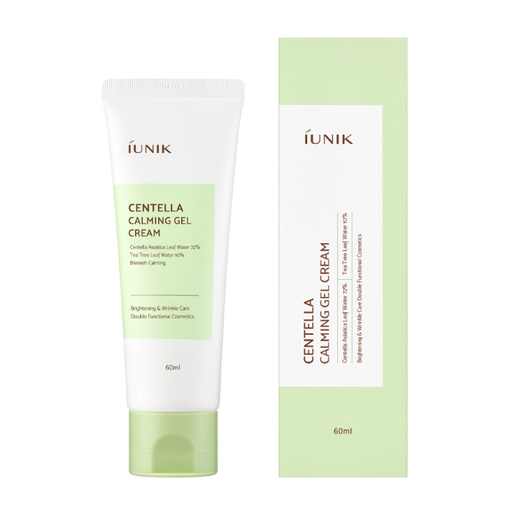
Why it suits this profile: The lightweight gel texture suits anyone looking for a non-greasy cream for oily, combination, sensitive or blemish-prone skin.
The product description mentions the gel texture and the absence of synthetic fragrance. The claim about clinical results comes from the brand’s research and is not a guarantee for every skin type.
Centella asiatica, tea tree extract, niacinamide and adenosine in a fast-absorbing 60 ml gel cream.
We have put together a complete, up-to-date list of products that fully meet these strict selection criteria and the applicable European safety regulations.
Start with a gentle cleanser, followed by a serum or toner if you feel you need one. Finish with a face cream. Introduce new active ingredients one at a time so that you can see how your skin reacts. During the day, sun protection is an important addition.
This depends on the volume, how often you use it and the period after opening. A 50 ml face cream will generally last less time with daily use than a 400 ml body lotion. Always check the symbol showing, for example, 6M or 12M, and follow the shelf-life information on the packaging.
For dry skin, glycerine, hyaluronic acid, panthenol, ceramides and nourishing oils are often chosen. If you have sensitive skin, it is advisable to check the full ingredients list and be cautious with fragrance, essential oils and exfoliating acids. A patch test can help you try a product on a limited basis first.
