
Vandaag of morgen in huis

Kwaliteit gegarandeerd

Welkomstaanbiedingen ontgrendelen: GRATIS bezorging | Tot 80% korting | Gratis 30 dagen JoyPlus-proefperiode
Download de app
Dry cheeks, a tight feeling, visible pigmentation or skin that reacts quickly: there is a huge choice of skincare products. However, an expensive serum is not automatically the right choice. Marketing terms such as “intensive”, “innovative” and “radiant” mean little if you do not look at the ingredients, directions for use and intended application.
This practical selection guide helps you compare a face serum, retinol serum, vitamin C serum, anti-ageing cream, day cream, night serum and SPF 50 sunscreen using verifiable product information.
Retinol, vitamin C, AHA, niacinamide and hyaluronic acid often feature on product packaging. However, the presence of an ingredient does not mean that every product works in the same way or is suitable for every skin type. Check the form of the ingredient, the full ingredients list and the recommended frequency of use.
Claims about visible results usually come from the brand itself. According to OLAY’s own research, for example, skin looked renewed after one night when using the Retinol 24 Max Night Serum. This is not a universal guarantee. Treat such information as product context and also check the directions for use and warnings.
A vitamin C serum, exfoliating facial toner and retinol serum can each form part of a skincare routine. Starting all three together may leave your skin feeling uncomfortable. Begin with one new product and gradually build up your use. With products containing AHA or retinoids, daily UV protection is particularly important.
A body cream for very dry skin is designed for larger areas and often has a richer texture. A face serum or cream for pigmentation is generally formulated more specifically. Always check the area of application: face, neck, body or hands.
First, identify your main goal. For dry skin, look for moisturising skincare containing ingredients such as glycerine, urea, panthenol or shea butter. For normal or combination skin, a gel texture may feel more comfortable. If you are looking for skin renewal or a more even appearance, you could consider retinol, vitamin C, AHA or niacinamide, but build up your skin’s tolerance gradually.
Also check whether the product is intended for:
A cream for pigmentation does not replace sunscreen. New or changing pigmentation should also be assessed by a doctor.
Read the ingredients list, particularly if you have sensitive skin. Fragrance, alcohol denat., acids and retinoids may feel less comfortable for some users. A product labelled fragrance-free does not contain perfume according to the product information, but always check the current packaging.
With a retinol serum or night serum, the frequency of use is important. Use it as directed on the label, avoid contact with the eyes and stop using it if irritation persists. Product descriptions may refer to different retinoids, such as retinol or retinyl propionate; these terms are not automatically interchangeable.
For daytime use, choose a product with a clearly stated SPF. The NIVEA SUN Protect & Hydrate Ultra SPF 50+ states that it offers UVA/UVB protection and is water-resistant. According to NIVEA’s own research, this is a comparison with a conventional water-resistant sun product, so the claim should not be considered separately from the test method described.
Also consider the quantity, shelf life and packaging. A pump dispenser limits contact with air and fingers, while a jar may be practical for body cream. Store serums containing active ingredients as directed on the packaging and close the container securely after use.

Why it suits this profile: A simple facial toner for anyone who wants to add an extra step after cleansing without immediately buying several active serums.
The product description specifies daily use in the morning and evening and clearly states the 200 ml quantity.
Contains glycerine, sodium hyaluronate and aloe, among other ingredients, according to the ingredients list; suitable for the face and neck.
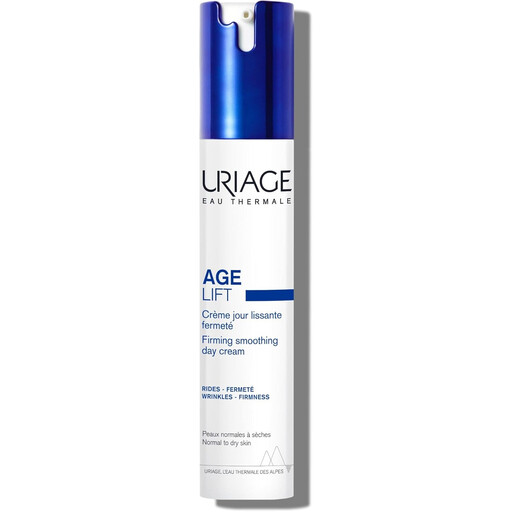
Why it suits this profile: Suitable for anyone looking for a fragrance-free anti-ageing cream that provides richer care for normal, dry or sensitive skin.
The product specifications state that it is fragrance-free, alcohol-free and non-comedogenic, and that it has been dermatologically tested. Always check the current packaging when using retinol.
40 ml, containing shea butter and intended for use on the face; the product information mentions hydration and firming care.
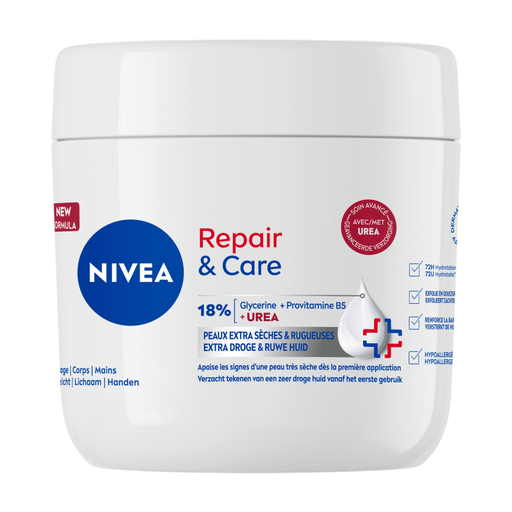
Why it suits this profile: For anyone who needs a body cream for very dry skin on larger areas of the body and prefers a rich cream.
The packaging explicitly states that it is for body care, contains 400 ml and includes ingredients such as glycerine, urea and provitamin B5.
According to NIVEA’s own research, the formula supports up to 72 hours of hydration; this involved a self-assessment by 41 volunteers.
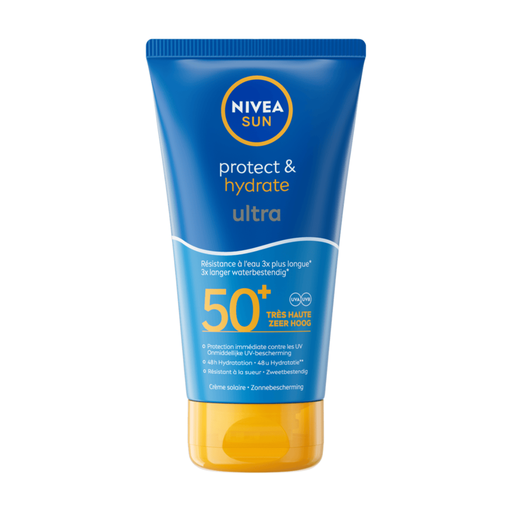
Why it suits this profile: For anyone looking for SPF 50+ sunscreen for the beach, walking, cycling or other outdoor activities.
The product information states SPF 50+, UVA/UVB protection and water resistance. Reapplication is still necessary depending on the conditions and the label instructions.
150 ml, containing vitamin E according to the ingredients list, with a formula that the brand says provides up to 48 hours of hydration.
We have put together a complete, up-to-date list of products that fully meet these strict selection criteria and the applicable European safety regulations.
Start with gentle cleansing, then add no more than one new product at a time. A practical routine could look like this:
A vitamin C serum or cream containing AHA requires extra attention to sun protection. Do not automatically combine active products, and if you have sensitive skin, carry out a small patch test first according to the manufacturer’s instructions.
A simple basic routine consists of a cleanser, moisturising care and sunscreen during the day. A toner, face serum, retinol serum or cream for pigmentation is an additional step and is not necessary for everyone.
Check the expiry date, batch number and period-after-opening symbol on the packaging. Keep products closed, dry and out of direct sunlight. A change in smell, colour or texture is a reason to stop using the product.
This depends on the quantity, frequency of use and steps you choose. A routine with one day cream and sunscreen is generally easier to manage than one with several serums. So do not compare only the price per pack; also consider the quantity in millilitres, the recommended amount and how often you use the product.
