
Vandaag of morgen in huis

Kwaliteit gegarandeerd

Welkomstaanbiedingen ontgrendelen: GRATIS bezorging | Tot 80% korting | Gratis 30 dagen JoyPlus-proefperiode
Download de app
A bathroom full of creams, serums and lotions doesn't automatically mean a better routine. When it comes to skincare, shoppers often pay for a flashy claim, while the formula doesn't suit their skin type or daily use. A dry skin, for example, won't always benefit from a light gel product, and a sensitive skin can react to fragrance, essential oils or a high concentration of active ingredients.
Terms like "48 hours", "72 hours" or "100 hours hydration" sound clear, but the exact testing method varies from brand to brand. According to the product description from Clarins, the Body-Smoothing Moisture Milk offers up to 48 hours of hydration. NIVEA states up to 72 hours based on a clinical assessment. Treat this as information from the manufacturer, not a guarantee for every user.
So look at the formula too. Glycerine, hyaluronic acid, panthenol, ceramides and occlusive ingredients such as petrolatum or dimethicone can each play a different role in retaining moisture.
A body lotion for dry skin is usually designed for a larger skin surface and can be richer or fragranced. A face cream or serum for the face is often tailored to thinner, more visible skin and may contain ingredients like niacinamide, azelaic acid or centella asiatica.
Always check the area of application. A body product isn't automatically suitable for the face, especially around the eyes.
A routine with exfoliating acids, niacinamide, retinoids and multiple serums can become unnecessarily complicated. Products with AHA, BHA or PHA may, according to the packaging, increase sensitivity to sunlight. With such formulas, daily use of sun protection is important.
Start with one new product at a time and, if you have sensitive skin, first test a small amount on a limited area. Stop if you experience persistent redness, itching, swelling or a burning sensation, and seek advice from a doctor or pharmacist if needed.
With hyaluronic acid skincare, the overall formula matters more than just the presence of sodium hyaluronate. A serum can attract moisture, but a cream or lotion applied over the top helps to lock in that comfortable feeling for longer.
Fragrance is often listed as "Parfum" or "Fragrance". In addition, individual scent ingredients may be named, such as limonene, linalool, geraniol or benzyl alcohol. The Vaseline Intensive Care Essential Healing Body Lotion contains, according to the ingredient list, fragrance ingredients and oat extract. The formula is, according to the product information, dermatologically tested, but that doesn't rule out an individual reaction.
The Kneipp Balancing Hydrating Bodylotion Patchouli also contains fragrance ingredients and essential oils. That can be appealing if you're looking for a fragranced body lotion, but less suitable if you want to avoid scent in your skincare.
A pump bottle is handy for daily use and limits contact with the contents. With pots, it's important to use clean hands. Check the PAO symbol, the expiry date and the batch information on the packaging. Ingredients can be updated, so use the list on the product you receive as the most recent source.
Extra attention is needed for sun protection. A sunscreen serum like the SKIN1004 Madagascar Centella Hyalu-Cica Water-Fit Sun Serum is intended as the final step of your basic routine on skin exposed to UV. Check the SPF, any UVA marking and the recommended amount on the packaging. Reapply after sweating, swimming or towel drying.
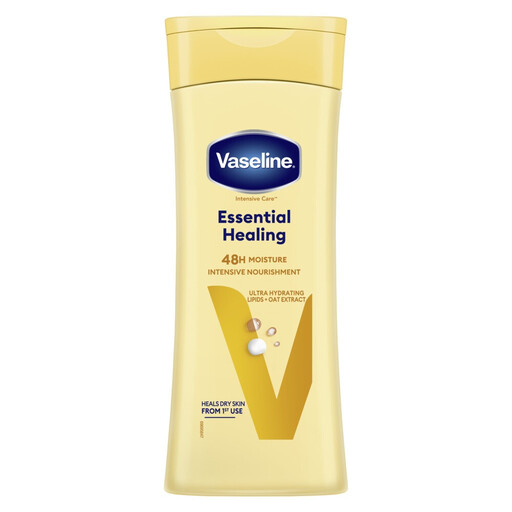
Why this fits the profile: The bottle contains 400ml and is designed for daily use on dry skin. That makes it a practical choice for anyone starting out with one body lotion.
The product information mentions fast absorption and non-greasy hydration. Do check the fragrance ingredients in the list if you react sensitively.
400ml, designed for dry skin and, according to the product data, dermatologically tested.

Why this fits the profile: According to the product information, the gel cream is suitable for dry, very dry, combination and oily skin, and can be used morning and evening.
The formula is, according to the manufacturer, fragrance-free, alcohol-free and non-comedogenic. Check the current packaging for the latest product information.
30ml gel cream, suitable for multiple skin types and, according to the product data, dermatologically tested.
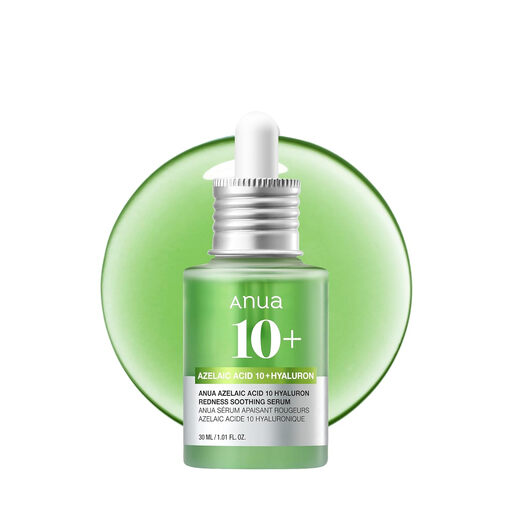
Why this fits the profile: This serum contains 10% azelaic acid, panthenol, sodium hyaluronate, centella asiatica and ceramide NP. It's designed for users who want to add one targeted active ingredient.
The instructions advise building up slowly with 1 to 2 drops, once or twice a week. A patch test and daytime sun protection are recommended.
30ml, 10% azelaic acid and multiple hydrating and soothing ingredients in the same formula.
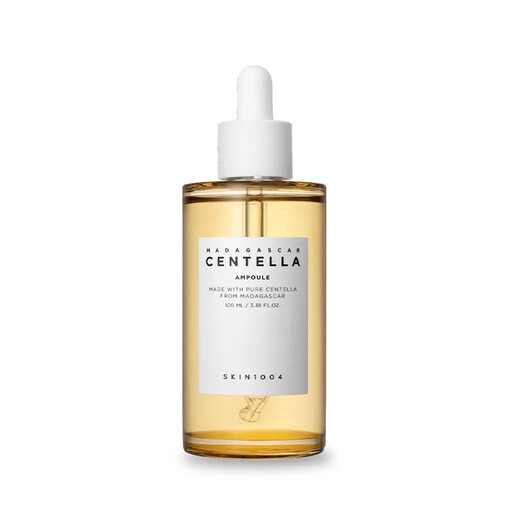
Why this fits the profile: According to the product description, the ampoule contains 100% centella asiatica extract and is intended for use on the face and neck after cleansing.
The ingredient list is relatively straightforward. Use 2 to 3 drops as directed and stop if irritation occurs.
100ml content and a formula with centella asiatica as the central ingredient.
We've put together a full, up-to-date list of products that fully meet these strict selection criteria and comply with current European safety regulations.
For dry skin, a richer cream may feel more comfortable. Combination skin can benefit from a light gel on the face and a richer body lotion on dry areas. If you want to repair your skin barrier, keep your routine simple at first and avoid using multiple strong-acting products at the same time.
That varies by product. Look at the open-pot symbol, often indicated as 12M for example, and the expiry information on the packaging. A change in smell, colour or texture can be a reason to stop using the product.
Not always, but a serum and cream often have different functions. A face serum is typically lighter and focused on specific ingredients. A face cream usually forms an extra nourishing layer. For dry skin, that combination can be more comfortable; for oily skin, one light product may feel sufficient.
That depends on the products you choose and how often you use them. Start with three basic steps: gentle cleansing, hydration and daytime sun protection. Only add an essence, serum or exfoliant if you have a clear reason to do so. That way, you'll avoid unused products piling up.
