
Vandaag of morgen in huis

Kwaliteit gegarandeerd

Welkomstaanbiedingen ontgrendelen: GRATIS bezorging | Tot 80% korting | Gratis 30 dagen JoyPlus-proefperiode
Download de app
A crowded bathroom shelf doesn’t automatically mean a good skincare routine. Many shoppers buy a face serum, moisturising cream and SPF sunscreen without first checking their skin type, the ingredients or the instructions for use. As a result, products end up unused or irritation occurs from a combination that’s too intensive.
The main pitfalls in skincare are:
Don’t just look at terms like “glow”, “firming” or “brightening”. Work out what you need on a daily basis:
The ingredients list is in descending order of quantity. Glycerine, sodium hyaluronate and panthenol are examples of humectants. Ceramide NP and oils can fit into a routine aimed at repairing the skin barrier, depending on the overall formula.
Also check for fragrance and perfumes. Bio-Oil contains, among other things, fragrance and various perfume components. That doesn’t make it automatically unsuitable, but people with sensitive skin would be wise to test it on a small patch of skin first.
A face serum is usually used in small amounts, whereas a body cream needs a larger volume for daily use. So don’t just compare the price of a pot or bottle, but also the volume in millilitres and the recommended amount.
An oil absorbs differently to a cream. A light essence or serum can be pleasant under make-up, while a richer cream is better suited to your evening routine or a dry skin.
A product with SPF 15 or SPF 50 is not the same as a standalone sunscreen. Look at the stated protection factor, how often to use it and whether you need to reapply. The Birch Juice Moisturizing Sunscreen, for example, states that reapplication is needed after swimming, sweating or towel drying.
Also pay attention to the expiry date, the batch number and the period after opening, such as 6M or 12M. Store your skincare according to the label, usually away from direct sunlight and high temperatures.
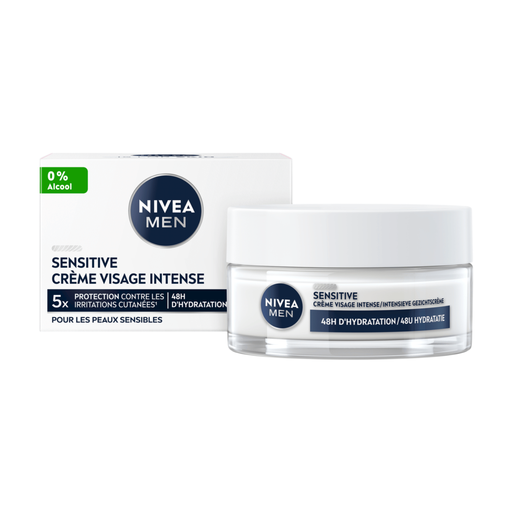
Why this fits the profile: A straightforward day cream for anyone wanting to start with one product and looking for a light, non-greasy texture for daily use.
The product description states 0% alcohol and a formula for sensitive skin. Do check the full ingredients list, though, as fragrance is present.
50 ml, light cream, glycerine and vitamin E; according to the product description, dermatologically tested for sensitive skin.
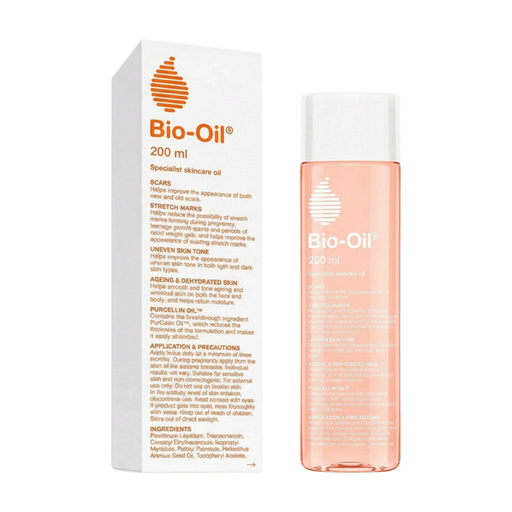
Why this fits the profile: For body care around dry skin, scars and stretch marks, when an oil is wanted as an additional step.
The instructions for use recommend applying twice daily and warn against use on broken skin. Results vary from person to person.
200 ml, suitable for face and body according to the product information, with PurCellin Oil for a fast-absorbing texture.
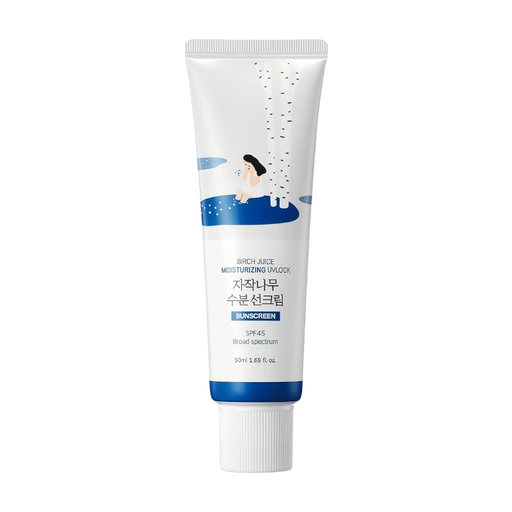
Why this fits the profile: For anyone who wants to include a separate SPF sunscreen in their morning routine alongside serum and moisturiser.
The product information clearly states chemical UV filters and the need to reapply after swimming, sweating or towel drying.
50 ml, glycerine and multiple forms of hyaluronic acid according to the ingredients list; designed as the final step in your skincare routine.
We’ve put together a full, up-to-date list of products that fully meet these strict selection criteria and comply with current European safety regulations.
Start with a gentle cleanser, followed by a face serum if that matches your goal. Then apply a moisturising cream. During the day, use a sunscreen as the final step, following the instructions on the packaging.
For body care, apply cream or oil to clean skin, for example after showering. Add new products one at a time. If you have sensitive skin, do a patch test first and stop if you experience redness, itching, swelling or a burning sensation. Only use products as directed and not on broken skin.
A practical foundation consists of gentle cleansing, a hydrating product with, for example, glycerine or hyaluronic acid, and a cream that locks in moisture. During the day, sun protection should be included. An oil can be used as an extra step if you like the texture.
Check the expiry date and the symbol for the period after opening. An indication like 12M usually means the product should be used within twelve months of opening. If the smell, colour or consistency changes, check the label and don’t use the product if in doubt.
Yes, you can, as long as you check the ingredients and the order. Start with one new product and don’t combine several exfoliating or strongly active formulas straight away. A soothing serum, cream and sunscreen often form a clearer foundation than a long routine with many steps.
