
Vandaag of morgen in huis

Kwaliteit gegarandeerd

Welkomstaanbiedingen ontgrendelen: GRATIS bezorging | Tot 80% korting | Gratis 30 dagen JoyPlus-proefperiode
Download de app
Choosing a new skincare product seems simple, but there’s plenty of choice. Looking for a face serum, hydrating serum, face cream or face mud mask? It’s worth looking beyond words such as “natural”, “anti-ageing” and “intensely hydrating”.
The right choice depends mainly on your skin type, the ingredients, the instructions for use and your daily routine. Read on to find out which pitfalls to avoid and which product details to check before you buy.
Brands use terms such as “restores”, “rejuvenates” and “fights free radicals”. These phrases often come from the brand’s product description. A brand’s own research or product information may suggest that certain ingredients have a particular effect, but that doesn’t automatically mean the claim can be proven for everyone.
So look for details you can check:
An anti-ageing serum, for example, may be primarily designed to hydrate and leave skin feeling smoother. Don’t automatically expect a medical or lasting change.
Serums for dry skin often contain moisture-binding ingredients such as glycerine, panthenol or hyaluronic acid. On sensitive skin, fragrance, alcohol or certain acids may feel less comfortable. Always check the ingredients list, even if the packaging says “gentle”, “vegan” or “natural”.
If you’re choosing a serum for sensitive skin, it’s a good idea to try a small amount on a limited area of skin first. Stop using it if you experience redness, itching or irritation, and follow the safety information on the packaging.
A more elaborate routine isn’t automatically more effective. What’s more, if you use several serums, acids, masks and creams at once, it’s harder to tell which product is causing a reaction. Start with a simple routine:
Use a mask, such as a mud mask for the face, as an occasional extra rather than necessarily every day.
First, decide what matters most to you. If your skin feels dehydrated, look for a hyaluronic acid serum, glycerine, betaine or panthenol. A hydrating cream can also help if your skin feels tight.
If you’re looking for an azelaic acid serum, pay close attention to how often to use it. For example, the Azelaic Hyaluron Soothing Serum says you can start by using it once or twice a week, then gradually increase how often you apply it. The product information also recommends a patch test and daytime sun protection with SPF 30 or higher. These are practical instructions, not a guarantee of a particular result.
A watery serum usually feels different on the skin from a rich cream. An essence or serum is generally applied before a cream. Check that the texture suits your preference:
Pay attention to fragrance and alcohol, too. According to its ingredients list, Babor Skinovage Moisturizing Serum contains denatured alcohol and fragrance, among other ingredients. That may not be a problem, but it’s useful to know if your skin is sensitive to them.
A 30 ml bottle may seem small, but it can be practical if you use just a few drops each day. Also check the period after opening. Melvita ÁRGAN BIO-ACTIVE, for example, is marked 6M, while Juvena SPECIALISTS skin nova SC serum is marked 12M. Always check the packaging, as the manufacturer provides the current batch information there.
Vegan skincare, natural skincare and a claim such as “paraben-free” each mean something different. According to the product information, a vegan formula contains no animal-derived ingredients. “Natural” doesn’t mean that every ingredient will suit every skin type.
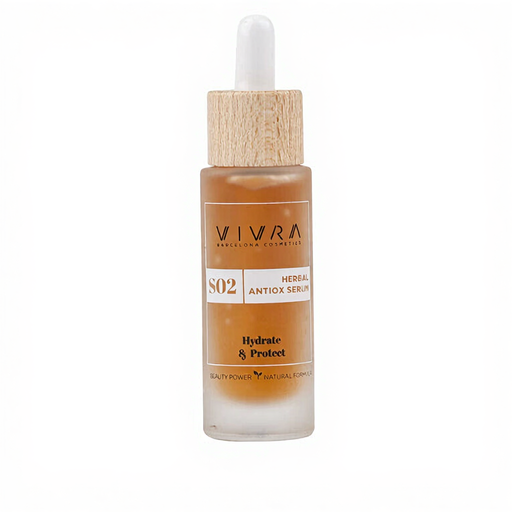
Why it suits this profile: This serum is a straightforward choice if you want to start with a simple routine. The product information lists normal and combination skin as suitable skin types.
The product details list the formula, 30 ml size and recommended skin type, so you don’t have to rely as much on general marketing terms.
Plant extracts and green tea, with a vegan, paraben-free and silicone-free formula according to the product information.
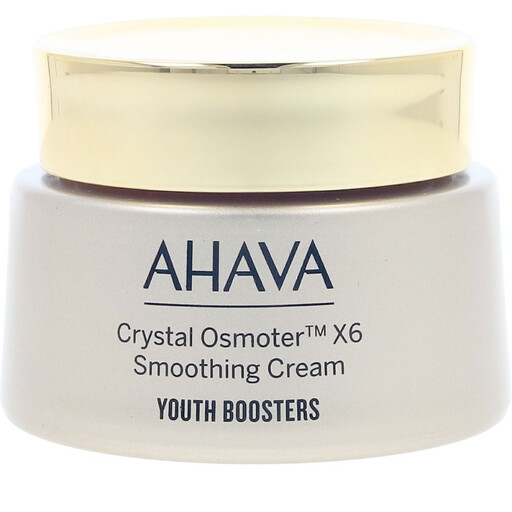
Why it suits this profile: This gel cream is designed for anyone looking for a richer texture and a skincare product for everyday use.
The product page lists the texture, 50 ml size, ingredients and claims such as vegan, alcohol-free and paraben-free separately.
Gel cream with jojoba oil and Dead Sea water according to the ingredients list; the packaging says dermatologically tested.
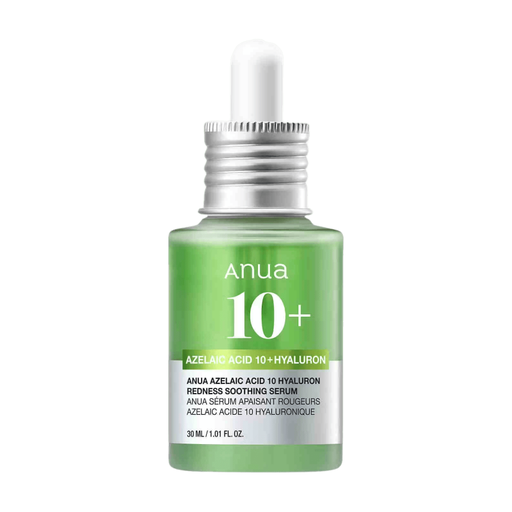
Why it suits this profile: This serum is a good fit if you’re specifically looking for azelaic acid, hyaluronic acid and a clear plan for gradually increasing how often you use it.
The product information includes a patch test, a suggested starting frequency and warnings about contact with the eyes and irritation. This makes it easier to plan your routine.
According to the ingredients list, it contains azelaic acid, sodium hyaluronate, panthenol, niacinamide and ceramide NP.
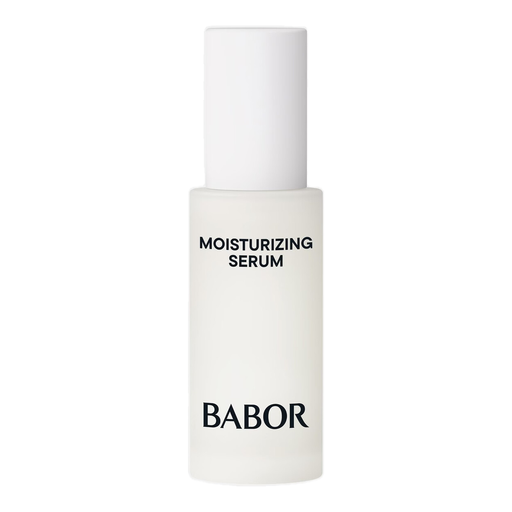
Why it suits this profile: The product information recommends this serum for dry skin and says to use it morning and evening after cleansing.
The recommended skin type, routine and full ingredients list are provided. Do check whether alcohol and fragrance suit your skin.
Contains glycerine, betaine, sodium hyaluronate, sodium PCA and panthenol according to the ingredients list; 30 ml size.
We’ve put together a complete, up-to-date list of products that meet these strict selection criteria and the applicable European safety regulations.
Start by cleansing, then use a serum if you wish and finish with a hydrating face cream. Add sun protection during the day, following the product instructions. Introduce new products one at a time so you can keep track of how your skin responds.
It depends on the size, how much you use and how often you apply it. Check the period-after-opening symbol and the date on the packaging. For example, a product marked 6M should be used within six months of opening, unless the packaging says otherwise.
No. Start by considering your skin type, the ingredients, size and instructions for use. A cheaper product with a suitable formula may be more practical than an expensive one with ingredients that don’t suit your skin or routine.
