
Vandaag of morgen in huis

Kwaliteit gegarandeerd

Welkomstaanbiedingen ontgrendelen: GRATIS bezorging | Tot 80% korting | Gratis 30 dagen JoyPlus-proefperiode
Download de app
A new skincare routine seems simple: cleanser, face serum, face cream and facial sunscreen. Yet many consumers in the Netherlands buy products that do not suit their skin type, combine too many active ingredients or mainly pay for a promise on the packaging.
A few common pitfalls:
A cream for dry skin often contains soothing and moisture-binding ingredients such as glycerine, panthenol, oils or occlusive substances. A lightweight gel or serum may feel more comfortable on combination or oily skin. Also check whether a product is intended for the face, body or both.
For sensitive skin, a short routine is usually easier to manage. Look out for perfume, essential oils and alcohol denat. in the INCI list. “Fragrance-free”, “hypoallergenic” or “dermatologically tested” are product characteristics, but they do not guarantee that everyone can use the product without a reaction.
Anyone looking to reduce facial blemishes often comes across ingredients such as niacinamide, tranexamic acid, azelaic acid or vitamin C. Medicube’s product description, for example, states that the TXA Niacinamide Capsule Cream contains 99% pure tranexamic acid and 5% niacinamide. These are verifiable specifications from the product information; they do not automatically guarantee a particular result.
For a serum for sensitive skin, panthenol, centella asiatica and allantoin may be interesting because of their caring role in the formula. If you are looking for a cream for blemish-prone skin, consider the texture, non-comedogenic claim and ingredients such as azelaic acid. Introduce one new active product at a time and preferably start by using it every other day.
For sun care products, the stated SPF, UV filters and directions for use are more important than a standalone claim such as “daily protection”. According to the ingredients list, the Birch Juice Moisturizing Sunscreen contains several chemical UV filters. The product information recommends applying it as the final step and reapplying after swimming, sweating or towelling dry.
Always check the expiry date, batch number and period after opening, for example 6M or 12M. Store skincare products somewhere cool and out of direct sunlight. An opened jar or bottle that smells different, changes colour or has altered in texture should no longer be part of your routine.
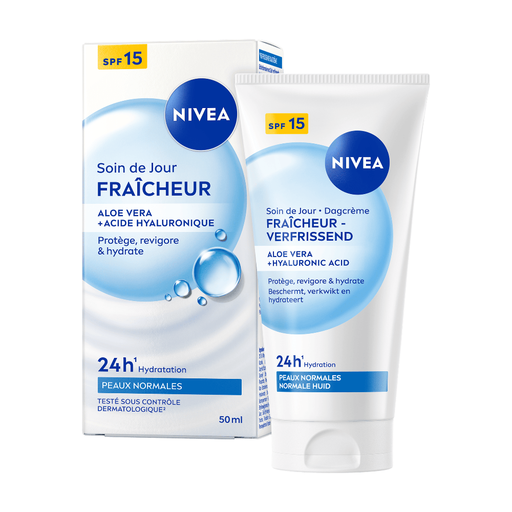
Why it suits this profile: A day cream with a straightforward application for normal skin, containing glycerine, aloe vera, hyaluronic acid and SPF 15 according to the product information.
Its purpose, skin category and SPF value are clearly described. However, view SPF 15 as part of daily skincare, not as a replacement for intensive sun protection.
50 ml; lightweight day cream; contains hyaluronic acid and SPF 15 according to the ingredients list.
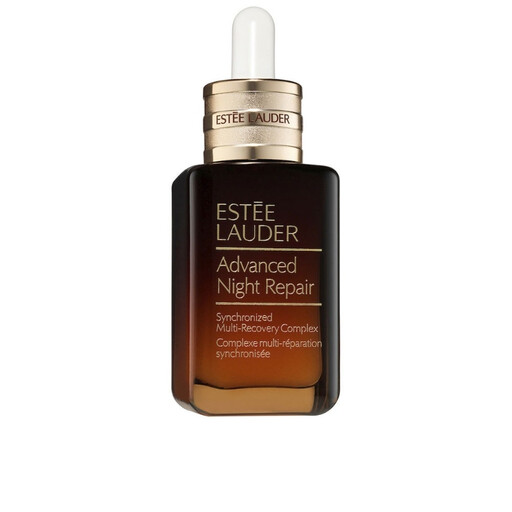
Why it suits this profile: A fragrance-free 75 ml serum for anyone looking for a more comprehensive anti-ageing skincare routine and hydration.
The formula and application are described specifically. Claims about repair, wrinkles and protection come from the brand’s product description and are not a guaranteed personal outcome.
75 ml; fragrance-free and oil-free according to the product details; suitable for all skin types.
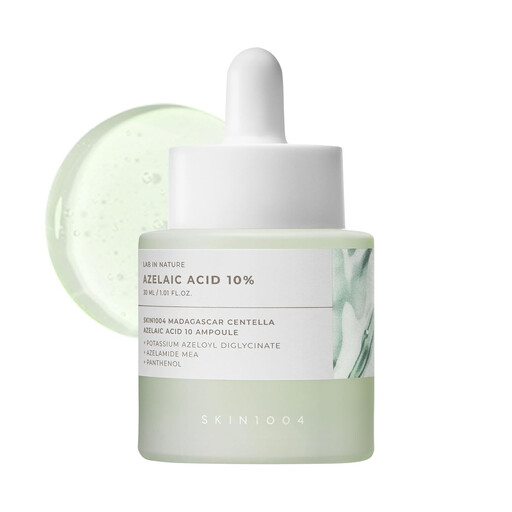
Why it suits this profile: Designed for users looking for Korean skincare for blemish-prone or sensitive skin who deliberately avoid niacinamide.
The formula states that it contains 10% azelaic acid and no niacinamide. The directions for use recommend starting with every-other-day application during the first week.
30 ml; niacinamide-free formula; contains centella asiatica according to the product description.
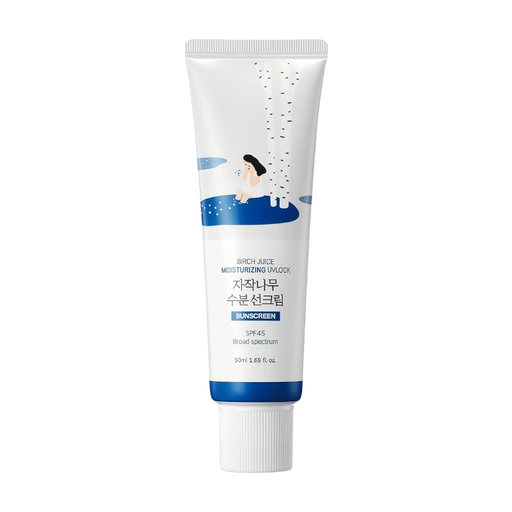
Why it suits this profile: For anyone wanting to add a separate facial sunscreen to a routine with serum and face cream.
The product information lists the UV filters and recommends reapplying after swimming, sweating or towelling dry. This makes the application more specific than a general protection claim alone.
50 ml; contains glycerine, hyaluronic acid and several UV filters according to the ingredients list.
We have put together a complete, up-to-date list of products that fully meet these strict selection criteria and the applicable European safety regulations.
Start by cleansing, optionally apply one face serum and finish with a face cream. During the day, add facial sunscreen as the final step. Test new products on a small area of skin first and do not introduce active ingredients all at once.
This varies depending on the packaging and how the product is used. Check the expiry date and the PAO symbol after opening. A 30 ml serum may run out sooner with daily use than a 50 ml cream. Keep products tightly closed, somewhere cool and out of direct sunlight.
The cost mainly depends on the number of steps and the product category. A basic routine with cleanser, hydrating cream and sun protection is often more focused than using several serums. So compare the size, ingredients, application and shelf life before choosing based on the brand name or claims.
