
Vandaag of morgen in huis

Kwaliteit gegarandeerd

Welkomstaanbiedingen ontgrendelen: GRATIS bezorging | Tot 80% korting | Gratis 30 dagen JoyPlus-proefperiode
Download de app
A tight-feeling face, flaky patches or skin that quickly becomes red: a skin barrier cream can help the skin retain moisture more effectively and feel more comfortable. However, not every cream is suitable for every use. A rich body cream, for example, may feel too heavy on the face, while a lightweight gel cream may not provide enough protection for very dry skin.
The product packaging and ingredients list offer more useful guidance than general marketing terms. Pay particular attention to the following pitfalls.
Terms such as “72-hour hydration”, “repair” and “soothing” sound clear, but the supporting evidence varies from one brand to another. According to NIVEA’s own research, certain Repair & Care products showed a moisturising effect of up to 72 hours under specific test conditions and with a limited number of participants. This does not mean that everyone will experience exactly the same results.
Use such claims as additional information rather than the deciding factor. First, look at the ingredients, skin area, texture and directions for use.
A cream for the body is not automatically a suitable repairing face cream. Body creams sometimes have a richer base and may feel heavy on oilier or acne-prone facial skin. Conversely, a lightweight moisturiser for sensitive skin may not be enough for cracked hands or very dry legs.
So check whether the product is intended for the face, body or both.
A cream containing ceramides, panthenol, niacinamide, plant extracts and acids may seem appealing, but sensitive skin does not always respond well to a long ingredients list. Fragrance and essential oils can also be potential concerns for some users.
When your skin barrier is weakened, a simple routine is often practical: gentle cleansing, a hydrating serum if needed and one carefully chosen cream. Test a new product on a small area of skin first. Stop using it if redness, itching or swelling persists, and seek advice from a dermatologist if necessary.
A hydrating cream usually works through a combination of ingredients:
An ingredient’s position in the ingredients list gives an indication of its amount, but not its exact concentration. You can only factor this directly into your comparison when a brand states a percentage.
A ceramide cream contains ceramides: fatty substances that occur naturally in the skin. Formulas may also contain cholesterol, fatty acids, squalane or lecithin. This combination may suit users who mainly want to limit moisture loss and a tight-feeling sensation.
Do bear in mind the difference between “contains ceramides” and an extensive ceramide complex., for example, lists several ceramides, hyaluronic acid, panthenol and cholesterol among its ingredients. haruharu wonder refers to a complex of five ceramides, together with ingredients including allantoin and vitamin E.
A rich cream is useful for dry skin, especially in winter or on dry areas of the body. A gel cream may feel more comfortable under sunscreen or make-up. Also consider:
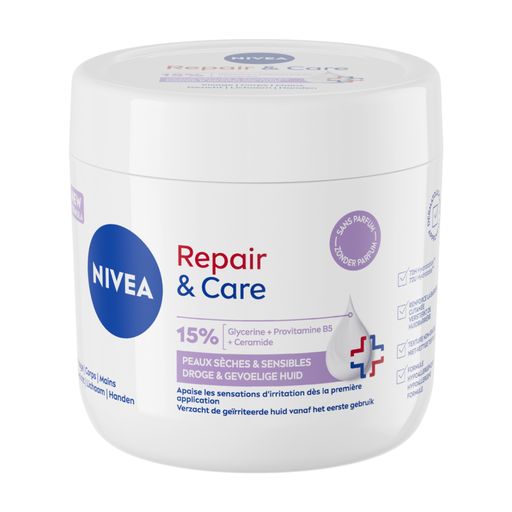
Why it suits this profile: The 400 ml pack is practical for daily use on dry, sensitive areas of the body. According to the product information, the formula contains 10% glycerine and panthenol and is fragrance-free.
The product information makes it clear that this is a body cream. This makes its application more straightforward than that of a multifunctional cream without a clearly stated skin area.
400 ml, a fragrance-free formula and panthenol alongside glycerine. Check the packaging for the latest usage and shelf-life information.

Why it suits this profile: This Korean skincare cream is suitable for anyone looking for several barrier-supporting ingredients in a single facial product.
The ingredients list is specific: it includes ceramides, cholesterol, panthenol, squalane and several forms of hyaluronic acid.
80 ml for the face, combining ceramides with hydrating ingredients. The product information also highlights patch testing as a consideration for sensitive skin.
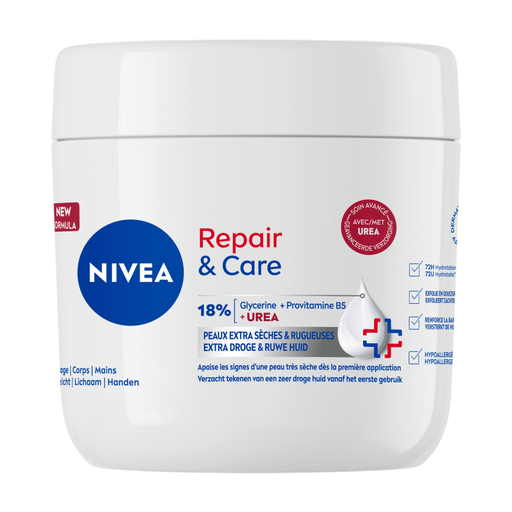
Why it suits this profile: For very dry and rough areas of the body, a larger pack containing urea and glycerine is practical for a daily routine.
The product information explicitly states that it is for use on the body and contains urea, glycerine and provitamin B5. This makes it a more targeted choice.
400 ml, with urea and glycerine listed as hydrating ingredients. The brand states 18% glycerine; check the current packaging if percentages are important to you.
Apply the cream after cleansing, preferably to slightly damp skin. During the day, use sunscreen when your skin is exposed to sunlight. When trying a new product, start by using it once a day and avoid introducing several new products at the same time. This makes it easier to tell which product feels comfortable.
For oily or acne-prone skin, a gel cream or lightweight lotion may feel more comfortable. For dry skin, ingredients such as glycerine, ceramides, panthenol and hyaluronic acid may be particularly suitable. Products containing essential oils or fragrance require extra care if your skin reacts easily.
We’ve put together a complete, up-to-date list of products that fully meet these strict selection criteria and the applicable European safety regulations.
Many products can be used daily, provided the packaging states that they are suitable for everyday use and your skin tolerates the formula well. Apply an appropriate amount after cleansing. Stop using it if irritation occurs.
Look for a formula containing hydrating ingredients such as glycerine, panthenol or hyaluronic acid. Ceramides may be worth considering if you are specifically looking for a barrier repair cream. Fragrance-free products are often a sensible first choice, but always check the full ingredients list.
This depends on the contents, how often you use it and where you apply it. A 40 or 50 ml tube for the face will generally last less time than a 400 ml body cream. Use the recommended amount and follow the shelf-life information on the packaging.
