
Vandaag of morgen in huis

Kwaliteit gegarandeerd

Welkomstaanbiedingen ontgrendelen: GRATIS bezorging | Tot 80% korting | Gratis 30 dagen JoyPlus-proefperiode
Download de app
Sensitive, dry or blemish-prone skin doesn’t automatically call for a long routine. Still, choosing between Korean skincare, ampoules, creams and serums can be tricky. Product names such as “intensive”, “repairing” and “soothing” may sound appealing, but they don’t tell you much unless you check the ingredients list, directions for use and texture.
In this guide from the Joybuy Product Recommendation Officer, we compare different options in SKIN1004 Madagascar Centella skincare. The focus is on practical choices: which formula suits your skin type, how to avoid irritation and which product features you can check for yourself.
A product listing a percentage of Centella Asiatica isn’t automatically right for every skin type. The full formula determines how a product feels and how well your skin tolerates it. Also look out for potential fragrance, essential oils, exfoliating ingredients and moisturising ingredients such as glycerine, panthenol or hyaluronic acid.
Combining an azelaic acid serum, niacinamide, an exfoliant and a spicule product can make your routine unnecessarily intense. If your skin is quick to react, it’s especially wise to introduce one new product at a time. This makes it easier to work out what might be causing redness, a stinging sensation or dryness.
“Skin barrier repair” doesn’t guarantee a particular result. Check the actual ingredients. Ceramides, fatty acids, cholesterol, panthenol, glycerine and squalane may be worth looking for if you’re choosing a moisturising face cream. Some brands say these ingredients support the skin’s moisture barrier; this is a product claim, not a proven medical effect.
Centella Asiatica is often used in soothing skincare. SKIN1004 products contain Centella in different forms, including extracts and TECA complexes. Also consider your main skincare goal:
Ingredients lists can sometimes vary between markets or packaging. Always check the current INCI list on the product page and packaging.
An ampoule is usually thinner than a cream and is applied after cleansing. A cream is generally the final moisturising step. Check the size: a 9 ml bottle is handy for trying an active formula with care, while 95 or 100 ml may make more sense if you use a product every day.
With a product containing 10% azelaic acid, the product information says you may initially feel a slight tingling or warmth. For example, start by using a small amount every other day, and stop if irritation persists or becomes noticeable. Don’t use it on damaged or sunburnt skin, and avoid contact with your eyes.
If you use an active product in the morning, finish with sunscreen. This is especially practical if your routine focuses on visible redness, blemishes or an uneven skin tone. Patch testing on a small area of skin can help you assess how well your skin tolerates a product before using it more widely.
The selection below matches specific product details to different uses. The features listed are based on product descriptions and ingredient information.
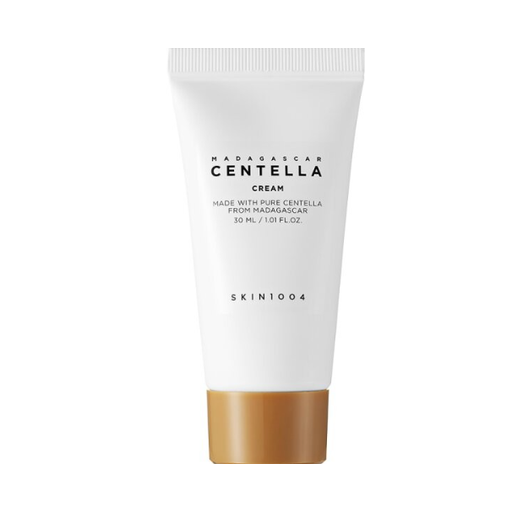
Why it suits this profile: The compact 30 ml pack and light cream formula are practical if you want to build a simple everyday routine.
You don’t need to buy several active serums straight away. The product description lists Centella, panthenol and TECA as key parts of the formula.
Light texture, 30 ml size and, according to the product information, suitable for normal and sensitive skin.
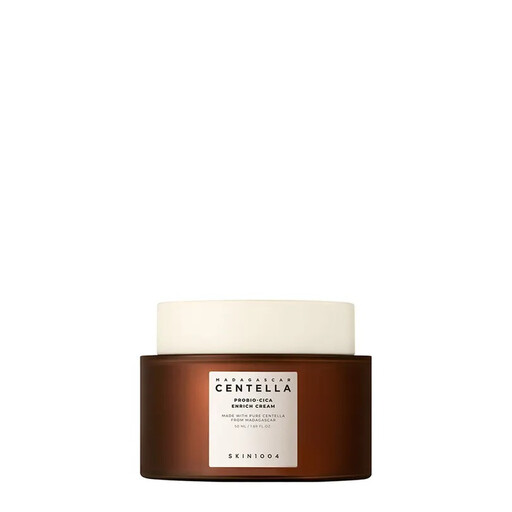
Why it suits this profile: This richer cream is designed for dry and dehydrated skin that needs extra comfort in an evening routine.
The product information lists ingredients including Ceramide NP, Probio-Cica and TECA. Check that the rich texture suits your skin.
50 ml size and a concentrated cream formula with ceramide NP, according to the product details provided.
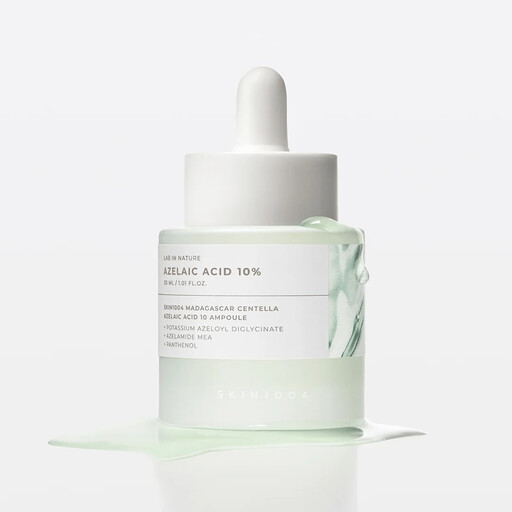
Why it suits this profile: This small ampoule is a good fit if you want to try an azelaic acid serum specifically for blemish-prone skin or visible redness.
The product information lists 10% azelaic acid and recommends building up use gradually. This makes it clearer how often to use it than general claims about “strong” skincare.
9 ml size, 10% azelaic acid and Centella Asiatica in the ingredients list; use sun protection during the day.
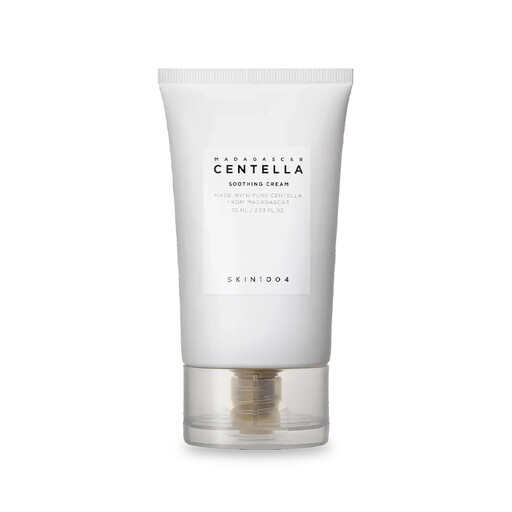
Why it suits this profile: The refreshing, non-greasy texture is a good choice if you want daytime hydration without a heavy layer.
The product description mentions a light texture and ceramide. Check the full ingredients list if your skin reacts to certain ingredients.
75 ml size and, according to the product information, Centella Asiatica plus ceramide in a non-greasy cream.
We’ve put together a complete, up-to-date list of products that meet these strict selection criteria and current European safety regulations.
It depends on the specific formula and how well your skin tolerates it. Some products have simple formulas centred on Centella, panthenol or ceramides, while others contain active ingredients. Start with one product, use a small amount and check the current ingredients list.
Apply an ampoule after cleansing and, if you use one, toner. When trying a new active product, start by using it infrequently. For the azelaic acid ampoule, the product information recommends using it every other day at first. Finish with a moisturising cream and use sun protection during the day.
It depends on the size, the amount you use each time and how often you use it. A 9 ml product is mainly suitable for targeted or gradual use. A 95 or 100 ml ampoule is more practical for everyday use. Store skincare in a cool, dry place away from direct sunlight, and follow the expiry information on the packaging.
