
Vandaag of morgen in huis

Kwaliteit gegarandeerd

Welkomstaanbiedingen ontgrendelen: GRATIS bezorging | Tot 80% korting | Gratis 30 dagen JoyPlus-proefperiode
Download de app
Choosing a serum for sensitive, oily or blemish-prone skin may seem straightforward. However, there are several potential pitfalls. A high percentage may sound appealing, but it does not tell you everything about the texture, tolerance or formulation. Terms such as “soothing”, “pore-refining” and “reduces redness” are not a guarantee of a particular result either.
The SKIN1004 Azelaic Acid 10% Ampoule is aimed at people looking for an azelaic acid serum for skin with visible blemishes, excess sebum, redness or post-acne marks. According to the product description, the formula contains Centella Asiatica and is free from niacinamide. This makes it a possible choice for anyone specifically looking for Korean skincare without niacinamide.
“10% azelaic acid” is a clear product specification, but it is not the only factor to consider. The rest of the formulation also affects how the serum feels and how well it fits into a routine. So also check:
According to the product description, SKIN1004 uses what it calls a 3X Azelaic Active Formula. As this is a brand term, it should not be confused with an independently standardised unit of measurement. For verifiable information, pay particular attention to the official ingredients list and the concentration stated on the packaging.
A serum for sensitive skin may feel comfortable for one person but cause irritation for another. Even a formula without niacinamide is not automatically suitable for everyone. Azelaic acid may cause tingling at first, particularly when the skin barrier is already sensitive or when you are using several active products.
It is therefore best to test a new product on a small area of skin first. Initially, use the SKIN1004 Azelaic Acid 10% Ampoule every other day, following the product instructions. Stop using it if you experience persistent redness, itching, swelling or a burning sensation, and consult a doctor or pharmacist if in doubt.
Using an anti-blemish serum, an exfoliant, retinol and a vitamin C product at the same time can make your routine unnecessarily complicated. This also makes it difficult to work out which product feels beneficial and which one is causing irritation.
It is better to start with one active serum. Pair it with a gentle cleanser, a simple moisturiser and sun protection during the day. This keeps your routine easy to follow and reduces the risk of overuse.
According to the product information, the SKIN1004 ampoule contains 10% azelaic acid and has a volume of 30 ml. The recommended amount is 2 to 3 drops after toner, followed by a soothing and hydrating cream. If you use the serum in the morning, apply sun cream as the final step.
Do not immediately apply a thick layer all over your face. The product description recommends an extra-thin layer for targeted care of visible blemishes. This is cosmetic care for the appearance of the skin, not a medical treatment.
Always check the full INCI list on the packaging. Ingredients may be changed. The SKIN1004 Azelaic Acid 10% Ampoule is described in the supplied product information as niacinamide-free. This is relevant for consumers who want to put together a Korean skincare routine without niacinamide.
Other products in the same category do contain niacinamide. For example, the ingredient appears in the ingredients lists of certain Numbuzin, ANUA, and Beauty of Joseon serums. So do not compare products based only on the name on the front of the packaging; check the current ingredients list as well.
A sebum-regulating serum may appeal to people with oily skin, but dehydration can make a routine feel less comfortable. According to the product description, the ampoule contains Centella Asiatica for a soothing skin feel and light hydration. If you wish, combine the product with a hydrating face serum or moisturiser, but do not introduce several new products at once.
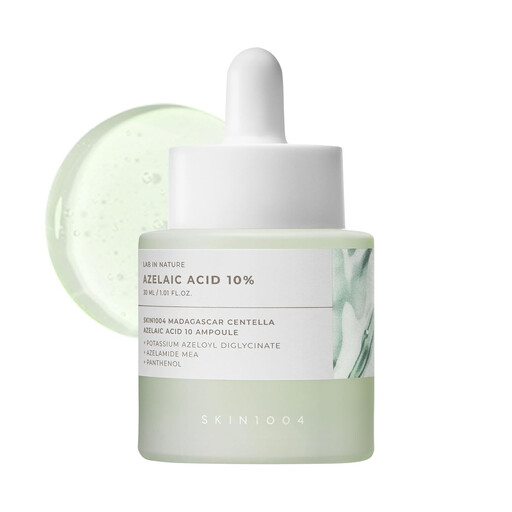
Why it suits this profile: A straightforward choice for anyone adding an azelaic acid serum for the first time and looking for a niacinamide-free formula.
The product description recommends gradually building up usage to help the skin adjust to the ingredient, rather than using a large amount straight away.
10% azelaic acid, 30 ml, Centella Asiatica and, according to the product information, no niacinamide.
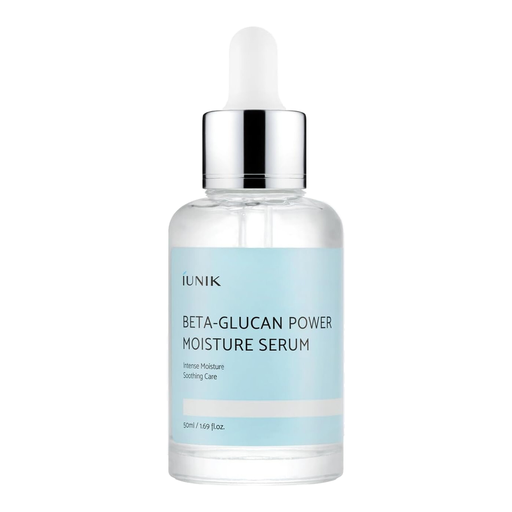
Why it suits this profile: Ideal for anyone who prioritises hydration and comfort and wants to pair azelaic acid with a separate hydrating serum.
It is a separate hydrating step, so you do not need to layer several exfoliating or highly active serums.
50 ml and a formula that, according to the product description, uses 100% beta-glucan for hydration.
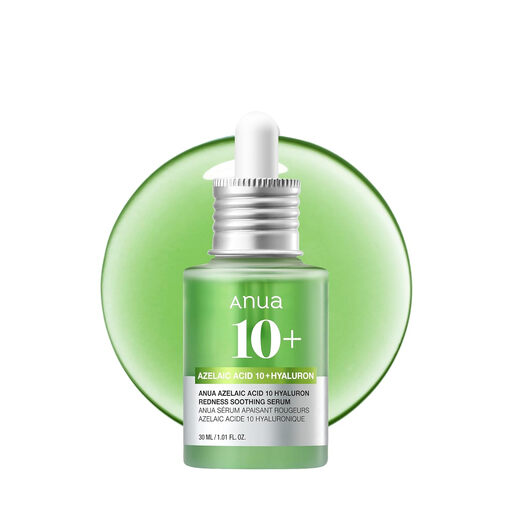
Why it suits this profile: Suitable for anyone wanting to compare a 10% azelaic acid product and willing to build up usage carefully.
The product information recommends starting with 1 to 2 drops, 1 to 2 times a week, and warns of possible dryness or irritation.
10% azelaic acid, hyaluronic acid and panthenol; the ingredients list also includes niacinamide, which is important when comparing products.
We have put together a complete, up-to-date list of products that fully meet these strict selection criteria and the applicable European safety regulations.
Start by using the serum every other day. Do not add any other new active products until you know how your skin reacts. For caring for post-acne marks and an uneven complexion, a consistent, simple routine is particularly important; cosmetic results may vary from person to person.
The product description positions the ampoule for sensitive and blemish-prone skin and mentions Centella Asiatica and a niacinamide-free formula. This does not mean that everyone will tolerate the product without a reaction. Start with a small amount and build up gradually.
According to the instructions, you can begin by using it every other day during the first week. If your skin tolerates the product well, you can adjust the frequency to suit your routine. Stop using it if irritation occurs and avoid applying it to damaged skin.
This depends on the amount and frequency of use. At 2 to 3 drops per application, 30 ml may last for several weeks or months. Check the expiry information and the period-after-opening symbol on the packaging. If the product information changes, the official packaging remains the definitive source.
