
Vandaag of morgen in huis

Kwaliteit gegarandeerd

Welkomstaanbiedingen ontgrendelen: GRATIS bezorging | Tot 80% korting | Gratis 30 dagen JoyPlus-proefperiode
Download de app
When buying skin and hand cleansing products, people often look first at the fragrance, packaging or a promise such as “extra caring”. However, this does not always tell you whether a product is suitable for your skin or intended use. A facial cleanser for oily skin works differently from hand soap for frequent use. And hand sanitiser is designed for situations where water and soap are unavailable, not as a complete replacement for washing your hands.
This guide helps you compare products by application, ingredients, size and ease of use. That way, you can avoid a disappointing purchase and choose more confidently for skincare, everyday hygiene or Korean skincare.
Words such as “antibacterial” or “hygiene” refer to a specific product claim, but they do not automatically mean that a formula is suitable for dry or sensitive skin. Always check the full ingredients list and the instructions for use.
Anti-odour formulas can be practical in kitchen hand soap. For everyday use by people with sensitive skin, fragrance, essential oils or certain cleansing agents may feel less comfortable.
A product described as suitable for all skin types may still contain ingredients that do not agree with you. These could include fragrance, alcohol, tea tree oil, menthol or exfoliating ingredients such as salicylic acid.
When choosing cleansing products for sensitive skin, always read the warnings. Test a new product on a small area of skin first and stop using it if you experience redness, itching or a burning sensation.
A 500 ml bottle may seem good value, but a pump bottle can be more convenient to use than a refill pouch without a dispenser. With a cleansing balm or cleansing oil, dosage is important: these products are generally used on the face, not as hand soap.
Also check the shelf life, the period after opening and how the product should be stored. The exact information can be found on the packaging.
First, decide what you need the product for:
A gel often produces a light lather and rinses off quickly. An oil or balm feels richer and requires thorough rinsing. For dry skin, a formula containing glycerine or other caring ingredients may feel more comfortable, but the effect varies from person to person.
Check the ingredients list for substances you have not tolerated well in the past. The selected products include ingredients such as:
Claims such as “dermatologically tested”, “vegan” or “hypoallergenic” are product information provided by the brand. Do not treat them as a guarantee that irritation is impossible.
Compare the size with your intended use. A 200 to 500 ml bottle is suitable for use at home. A 30 or 100 ml pack is more convenient for a handbag or travelling. A refill pack can be practical if you already have a pump dispenser.
For biocides, such as certain alcohol-based hand sanitisers, remember: use biocides safely and always read the label and product information before use. Keep these products away from heat, flames and young children.
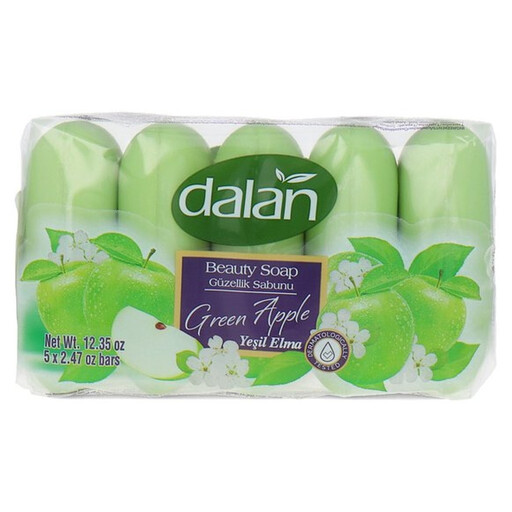
Why it suits this profile: A pack containing five bars of soap is practical for several washbasins or as a household supply.
The product information clearly states the size: five bars of 70 g each. This makes it easier to compare the quantity than with an unclear multipack.
Five individual bars, a green apple fragrance and a soap formula containing, among other ingredients, sodium tallowate and sodium palmate.
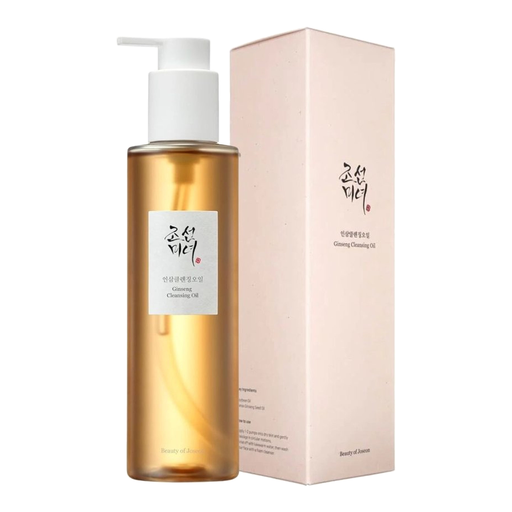
Why it suits this profile: This cleansing oil is a good choice for users who want to remove make-up and excess sebum with an oil-based texture.
The instructions are specific: apply to a dry face, massage in and rinse with lukewarm water. This makes it clear that it is not an ordinary face wash gel.
210 ml in a pump bottle; the ingredients list includes soybean oil, olive oil, sunflower oil and ginseng seed oil, among others.
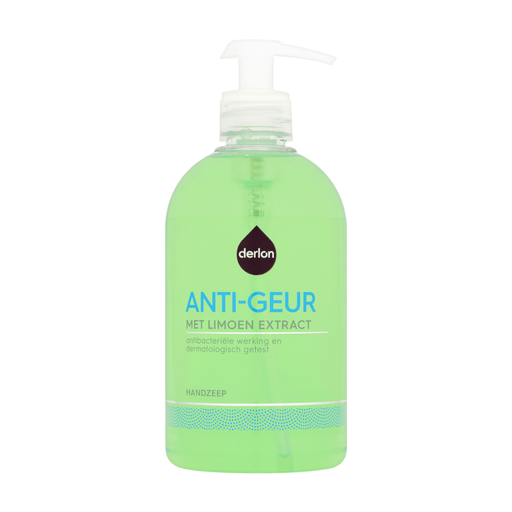
Why it suits this profile: Handy for the kitchen, where smells from ingredients such as onions and garlic can linger on your hands.
The anti-odour use with lime extract is described separately. The antibacterial formula is a manufacturer’s product claim and is not a reason to skip normal hand washing.
500 ml size; the ingredients list includes glycerine, almond seed extract and almond oil, among others.
For dry or sensitive facial skin, you could also consider the Neutrogena Hydro Boost Aqua Cleansing Gel. The product description mentions glycerine and hyaluronic acid, as well as an oil-free gel texture. If you prefer a balm, take a look at the BANILA CO Clean It Zero Cleansing Balm 100 ml. According to the product information, this balm is designed to remove waterproof make-up, among other things.
For a sensitive external intimate area, there is the LACTACYD Wash Gel 0% 250 ml. The description states that it contains no fragrance, alcohol, soap or colourants. Use this product externally only and follow the packaging instructions. For use on the go, Care Plus Hygiene Gel 30 ml and Glycerona Hygienic Hand Gel 100 ml are compact options. Both contain alcohol; Care Plus also states that hand sanitiser does not replace washing with water and soap.
We have compiled a complete, up-to-date list of products that fully meet these strict selection criteria and the applicable European safety regulations.
A facial cleanser is developed for the skin on your face and is usually formulated with sebum, make-up and a specific texture in mind. Hand soap is intended for your hands and is rinsed off with water. It is best not to use hand soap routinely on your face, as its formula may differ from that of a face wash gel.
This depends on your skin type, make-up use and personal routine. Many people cleanse in the evening to remove dirt, sun cream and make-up. A second cleanse in the morning may suit oily skin, but it is not necessary for everyone. Follow the product instructions and avoid rubbing vigorously.
Check the expiry date and the open-jar symbol showing the period after opening on the packaging. Store the product tightly closed in a cool, dry place away from direct sunlight. Has the smell, colour or texture changed? Stop using it, even if the stated period has not yet passed.
