
Vandaag of morgen in huis

Kwaliteit gegarandeerd

Welkomstaanbiedingen ontgrendelen: GRATIS bezorging | Tot 80% korting | Gratis 30 dagen JoyPlus-proefperiode
Download de app
Buying a skin cream seems simple, until you have to choose between a face cream, hydrating cream, moisturiser, body cream or hand cream. A rich texture may feel pleasant, but it is not automatically suitable for oily skin. And a product with eye-catching ingredients is not necessarily the right choice for your daily routine.
The main pitfalls:
First consider where you will use the product, then think about your skin’s needs.
Check the full ingredients list, preferably before buying. Glycerine, hyaluronic acid, panthenol and sodium hyaluronate are often used for hydration. A cream containing hyaluronic acid may help retain water in the upper layers of the skin, but the experience varies from person to person and depending on the environment in which it is used.
If your skin reacts easily, pay particular attention to fragrance and perfume ingredients. Derlon Hand Cream, for example, contains perfume and several fragrance allergens, including limonene, geraniol and linalool. That does not make it unsuitable for everyone, but it is a less obvious choice if you are looking for fragrance-free skincare.
A gel cream often feels lightweight and refreshing. A rich cream containing butters and oils creates a fuller layer and may be more comfortable on dry skin or as overnight care. Do not automatically use a face cream all over your body: the formulation, size and price per millilitre may differ.
Also check whether the product is intended for the face, body, hands or multiple areas. For example, according to the product information, NIVEA Moisturizing Cream is suitable for the face and body, while Sol de Janeiro Bom Dia Bright is specifically offered as a body cream.
“Dermatologically tested”, “vegan” and “non-comedogenic” are product claims that should be checked with the relevant brand or on the product page. They do not mean that every skin type will react in the same way. For products containing acids, fragrance or several active ingredients, a patch test is advisable. According to the product information for Sol de Janeiro Bom Dia Bright, the formula may cause skin and eye irritation; therefore, avoid contact with the eyes.
Only use a cream as instructed on the packaging. Pay attention to the symbol indicating the period after opening, the expiry date and the storage instructions. Keep the jar or tube closed, dry and out of direct sunlight.
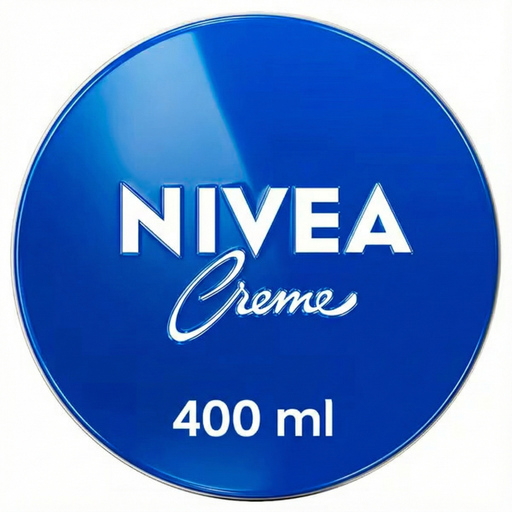
Why it suits this profile: The generous size and suitability for the face, body and hands make this a practical choice for a simple routine.
The product information clearly states the areas of use and ingredients, including perfume and fragrance allergens. This allows you to assess in advance whether the formula suits you.
400 ml; contains glycerine, panthenol and lanolin alcohol; suitable for the face and body according to the product details.
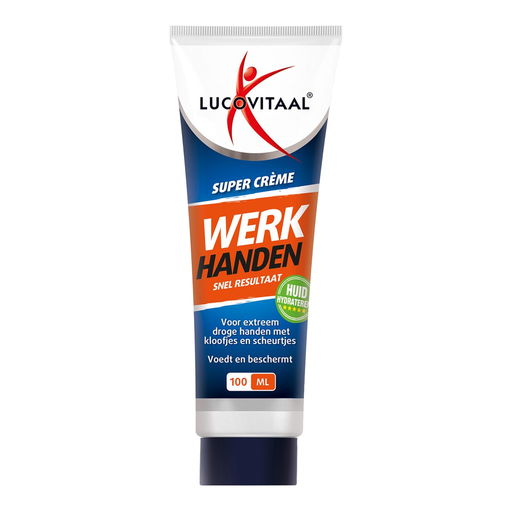
Why it suits this profile: For hands that are frequently washed or put under strain through gardening, housework, DIY or industrial work.
The product is specifically described as a hand cream, so you do not have to rely on a general “for the whole body” claim.
100 ml; shea butter, glycerine, dimethicone and macadamia oil; intended for the daily care of dry, stressed hands.

Why it suits this profile: The gel-cream texture and several forms of hyaluronic acid suit anyone looking for daily hydration without a noticeably heavy finish.
The product description mentions the texture, skin types and ingredients. This means you can base your choice on specific features rather than Korean skincare trends alone.
100 ml; five types of hyaluronic acid according to the product description; contains glycerine, panthenol, ceramide NP and argan oil, among other ingredients.
If your skin is severely irritated, damaged or repeatedly problematic, cosmetics are not a substitute for advice from a doctor or pharmacist.
We have put together a complete, up-to-date list of products that fully meet these strict selection criteria and the applicable European safety regulations.
This depends on the product and your skin. A face cream or moisturiser is often applied once or twice a day. You can reapply hand cream after washing your hands or carrying out tasks. Always follow the instructions on the label.
Check the open-jar symbol showing, for example, 6M or 12M, as well as the information on the packaging. Keep the cream closed, cool and out of direct sunlight. Has its smell, colour or texture changed? It is best not to use the product.
No. The right choice depends on your skin type, ingredients, texture, size and area of use. A simple cream for dry skin may be more practical than an expensive product containing lots of active ingredients that you do not need. So check the product details first, and only then consider the brand name or packaging.
