
Vandaag of morgen in huis

Kwaliteit gegarandeerd

Welkomstaanbiedingen ontgrendelen: GRATIS bezorging | Tot 80% korting | Gratis 30 dagen JoyPlus-proefperiode
Download de app
Choosing a new skin cream sounds simple, until you have to decide whether you need a face cream, moisturiser, body cream or anti-ageing cream. Packaging often promises visibly firmer, calmer or more radiant skin. These claims do not automatically guarantee the same results for you.
The right choice therefore starts not with the brand name, but with your skin type, area of use, ingredients and texture. Below, you’ll find the key points to consider, along with several product options for different users in the Netherlands.
Words such as “lifting”, “100-hour hydration” or “repairing” sound specific, but their meaning varies from one brand to another. According to Clinique’s product information, Moisture Surge 100H provides up to 100 hours of hydration; this is a brand claim, not a universal guarantee for every skin type.
So, also look for verifiable information:
Creams for dry skin often contain ingredients that attract moisture or form a protective layer. Examples include glycerine, hyaluronic acid, mineral oil, shea butter and plant oils. This can feel pleasant on tight-feeling skin, but a heavy texture is not comfortable for everyone.
For combination or oilier skin, a gel cream or lightweight moisturiser may be more practical. Dry skin, or skin that quickly becomes rough in winter, may benefit from a richer body cream or face cream.
A product may be described as suitable for sensitive skin, but individual reactions are still possible. Always check the current packaging. Ingredients such as perfume, limonene, geraniol, essential oils or certain preservatives may be worth noting for some users.
Apply a new cream to a small area of skin first. Stop using it if irritation occurs and follow the safety information on the packaging.
A cream for the face is not automatically suitable for the eye area or irritated skin. Check the stated application:
For dehydrated skin, glycerine, betaine, panthenol, hyaluronic acid and sodium hyaluronate are common ingredients. They can help retain moisture or make the skin feel more comfortable. Oils, waxes and silicones mainly affect softness and the protective feel of the product.
If you’re looking for a Korean skincare cream, you’ll often come across ingredients such as ceramides, centella asiatica, niacinamide, rice extracts and fermented ingredients. However, the presence of an ingredient does not tell you how much of it the formula contains or what results you will notice.
Compare the quantity before comparing prices. A 50 ml jar and a 100 ml tube are not directly comparable. Also check:
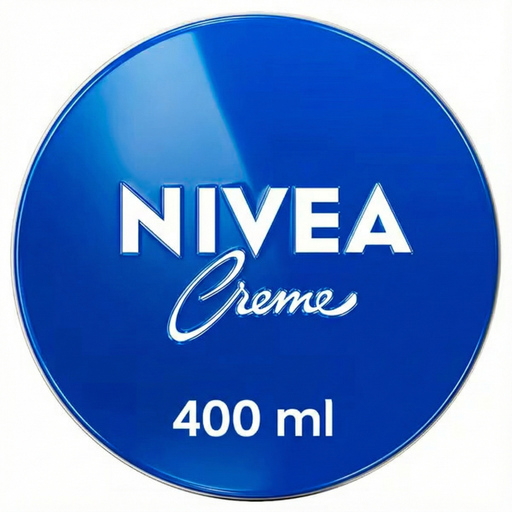
Why it suits this profile: The large pack is suitable for daily use on the face, body and hands if you’re looking for one versatile cream.
The product information states that it contains 400 ml and is suitable for several areas of application. However, check the listed fragrance allergens, including limonene and geraniol.
400 ml; according to the product information, contains glycerine and panthenol; suitable for the face and body.
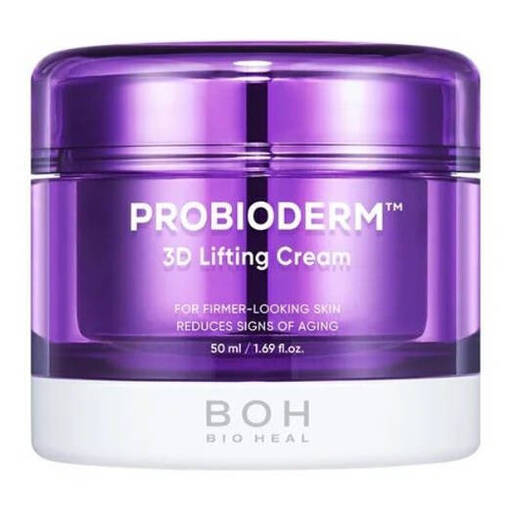
Why it suits this profile: This face cream is intended for users who want to combine hydration with a more comprehensive formula for mature skin.
The 50 ml quantity, pump packaging and stated formula are clearly described. The lifting and anti-ageing effects remain claims from the product description.
According to the ingredients list, contains several peptides, panthenol and beta-glucan; a lightweight texture and daily use are stated.

Why it suits this profile: This gel cream is suitable for anyone looking for a Korean skincare cream with a moisture-focused formula for daily use or as a night cream.
The formula and 100 ml quantity are stated. If you have sensitive skin, still check the full, current ingredients list and carry out a patch test.
According to the product information, contains five types of hyaluronic acid, ceramide NP, panthenol, and argan and apricot oils.
We’ve put together a complete, up-to-date list of products that fully meet these strict selection criteria and the applicable European safety regulations.
That depends on the product and your skin. A moisturising face cream is usually applied morning and evening to cleansed skin. You can use a body cream after showering or whenever your skin feels dry. Always follow the instructions on the packaging.
Check the PAO symbol on the packaging. If it shows 12M, this generally refers to twelve months after opening. Store the cream according to the instructions, tightly closed and away from direct sunlight. If its smell, colour or texture changes, it’s best to stop using the product.
Look for a short, easy-to-understand ingredients list and check for perfume and fragrance allergens. A fragrance-free formula may be a practical choice, but even then, it’s wise to carry out a small patch test. If redness, itching or other symptoms persist, seeking advice from a healthcare professional is more appropriate than continuing to try different products yourself.
