
Vandaag of morgen in huis

Kwaliteit gegarandeerd

Welkomstaanbiedingen ontgrendelen: GRATIS bezorging | Tot 80% korting | Gratis 30 dagen JoyPlus-proefperiode
Download de app
A skateboard helmet should not only look good, but above all be suited to the activity, your head size and how long you’ll wear it. Parents often look for a children’s helmet that’s also suitable for cycling, scootering and roller skating. Teenagers and adults usually want a skate helmet that combines ventilation, adjustability and a sturdy construction.
As a Joybuy Product Recommendation Officer, I focus on verifiable product specifications and practical usage scenarios. This helps you avoid choosing a helmet based solely on its colour, LED light or marketing claims.
Age is a guide, not a way to determine helmet size. Head circumference varies from person to person. A helmet that’s too loose can shift while cycling or skateboarding. One that’s too tight can quickly become uncomfortable, making children less likely to wear it.
Measure around the widest part of the head, about one centimetre above the eyebrows. Compare the measurement with the product’s size chart. Then check that the adjustment dial and chin strap allow enough room without the helmet moving from side to side.
An ABS helmet or a helmet with a PC shell tells you something about the outer shell material, but not about the overall protection on its own. In many models, the hard shell works together with EPS protection on the inside. EPS foam is designed to help absorb impacts, but no helmet can make falls risk-free.
So look for:
Descriptions using terms such as “impact-resistant” or “shock-absorbing” should be understood as information about the construction. According to the brand’s product specifications, the materials listed are used for this purpose; this does not guarantee that injury will be prevented.
A helmet with LED lights can help make a child more visible at dusk. However, the light is no substitute for bike lights, reflective clothing or paying attention to traffic. Also check that the battery works and that the selected light setting is suitable for how the helmet will be used.
For everyday use, comfort features are just as important. A breathable helmet with ventilation holes and a removable, washable lining is more practical after an intense session of cycling, BMX or inline skating.
A PC outer shell is often combined with EPS foam. ABS is another commonly used plastic for a hard outer shell. Don’t just look at the material name: consider how it works with the inner lining and how the helmet can be adjusted.
An integrated construction may have fewer separate parts. Other models come with several removable linings to help you adjust the fit. This is useful if the helmet is shared by different users or needs to be washed regularly.
An adjustable helmet should stay stable when you turn your head or lean forwards. First adjust the dial at the back, then fasten the chin strap. The strap should sit snugly without digging into your skin.
For children aged around 5 to 13, clear size ranges are important. The RoyalBaby models below list an adjustable range. The OutdoorMaster Oryx is available in several sizes, including XS, S, M and L. Choose based on centimetres, not just on whether it’s labelled “adult” or “child”.
Ventilation holes help release warm air while cycling, skateboarding or riding BMX. A removable lining is handy for hygiene, especially for children who use their helmet several times a week.
Hand-wash the linings and leave them to air-dry completely. Clean the outer shell with a soft, slightly damp cloth. Don’t use harsh cleaning products or modify the helmet by removing padding or straps.
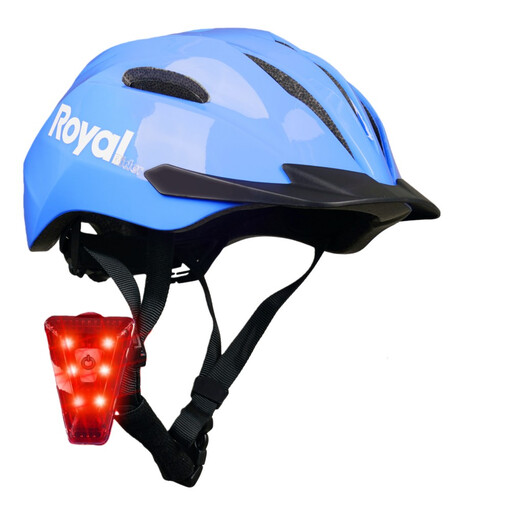
Why it suits this user: According to the product specifications, this children’s helmet is designed for children aged around 5 to 13 and is suitable for cycling, scootering, skateboarding, roller skating and balance bikes.
The fit is adjustable and the helmet has a removable, washable lining. The rear LED light is an extra visibility feature, not a substitute for bike lights.
PC outer shell, EPS foam, weighs 250 grams, ventilation holes and a rear light with three settings.
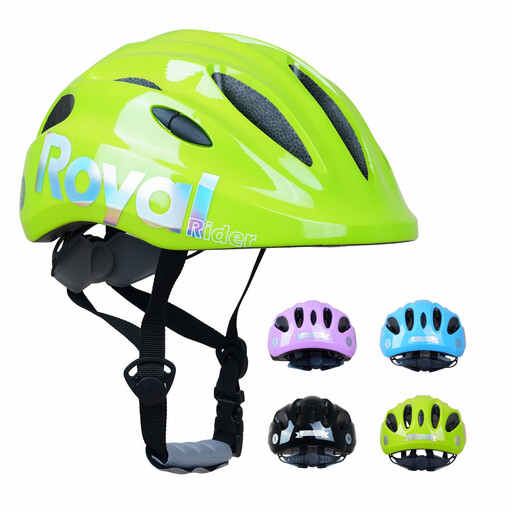
Why it suits this user: This model is aimed at children who take part in several sports, from cycling and BMX to skateboarding, scootering and inline skating.
The adjustable range of 52.05 to 55.88 cm means you can choose based on head circumference. The lining is removable and can be hand-washed.
PC shell with an EPS inner layer, 10 ventilation holes, a dial adjustment system and adjustable chin strap; the stated weight is approximately 213 grams.
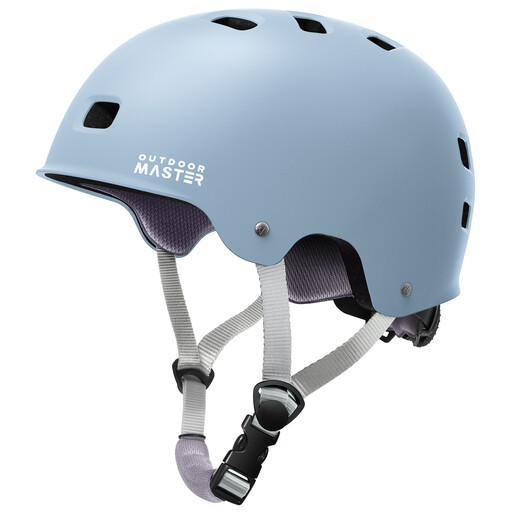
Why it suits this user: This multisport helmet is suitable for skateboarding, cycling, BMX, MTB, scootering and inline skating. The S size is designed for a head circumference of 52 to 55 cm.
The Oryx has a dial adjustment system, an adjustable chin strap and two removable linings. This lets you fine-tune the fit and wash the linings.
Reinforced ABS shell, EPS core, ventilation and two washable linings. The Oryx range is also available in other sizes and colours.
We’ve put together a complete, up-to-date list of products that meet these strict selection criteria and the applicable European safety requirements.
The helmet should fit snugly but comfortably around your head. It shouldn’t shift forwards, backwards or sideways when the chin strap is fastened. Check that the strap sits under your chin without pressing against your throat. Ask a child to move their head before you buy the helmet or make the final adjustments.
Replace the helmet after a fall or hard impact, even if there’s no obvious damage on the outside. Check the shell, lining, straps and fastening regularly. If you notice cracks, distortion, loose parts or worn straps, it’s best not to use the helmet any more. Also follow the manufacturer’s replacement guidance.
Only if the product description lists those activities and the fit remains suitable. Some models are designed as a multisport helmet for cycling, skateboarding, BMX, scootering and roller skating. Always check the size, fastening and available standards and conformity information before using the helmet for another activity.
