
Vandaag of morgen in huis

Kwaliteit gegarandeerd

Welkomstaanbiedingen ontgrendelen: GRATIS bezorging | Tot 80% korting | Gratis 30 dagen JoyPlus-proefperiode
Download de app
Whether you're cycling through the city, hopping on your skateboard, or commuting on a scooter, a good helmet is essential. But the search for the right skate helmet can feel like navigating a maze. Many models look fine at first glance but turn out to be uncomfortable, stuffy, or simply unsafe in practice. Before you spend your money, it's important to recognise a few common pitfalls.
Many buyers fall into the "one-size-fits-all" trap, with a helmet that ultimately fits no one perfectly. Another common mistake is ignoring ventilation, which results in a sweaty and uncomfortable head after just a few minutes of activity. Finally, there's the misconception that a higher price tag automatically means better protection, when actual safety depends on specific materials and certifications.
This guide will help you avoid these issues and choose a helmet that is comfortable, safe, and perfectly suited to your activities.
To avoid a purchase you'll regret, there are a few technical specifications you shouldn't overlook. These determine the safety, comfort, and lifespan of your helmet.
A helmet that doesn't fit properly won't offer optimal protection. Therefore, the fit is the most important factor. A good adjustable helmet has two systems:
Measure your head circumference before buying a helmet. Use a flexible measuring tape and measure around the widest part of your head, about 2.5 cm (1 inch) above your eyebrows. Compare this measurement with the manufacturer's size chart.
A protective helmet for skating typically consists of two crucial layers:
Also, look for the EN 1078 certification. This is the European safety standard for helmets for cyclists and users of skateboards and roller skates. A helmet with this certification meets essential safety requirements for impact absorption and construction. This means many skate helmets are also suitable as a bicycle helmet.
Good ventilation is not a luxury but a necessity for comfort, especially during warm weather or intense activities. A multi-sport helmet with strategically placed vents ensures continuous airflow. This not only helps to wick away sweat but also keeps you focused and comfortable while skating, cycling, or scootering.
Not every helmet is right for everyone. Below is a selection of helmets that suit different user profiles, based on their objective specifications.

Why This Fits Their Persona: Ideal for those who switch between skating, cycling, and scootering. This helmet is designed as a reliable all-rounder for various urban sports.
The dual adjustment system with a dial and chin strap avoids the 'one-size-fits-none' pitfall. Its ventilation system ensures comfort, even during intense use.
Comes with two removable liners for a customisable fit and easy washing. The construction with an ABS shell and EPS core offers reliable impact resistance.

Why This Fits Their Persona: For the daily bike or e-scooter user who wants a minimalist, modern design that looks right at home in an urban environment.
This helmet is lightweight and comfortable for extended use, avoiding the pitfall of bulky, impractical helmets. The ventilation system is optimised for a cool ride.
The unibody construction creates a strong, shock-resistant structure. The soft, removable inner lining is moisture-wicking and washable for extra hygiene.
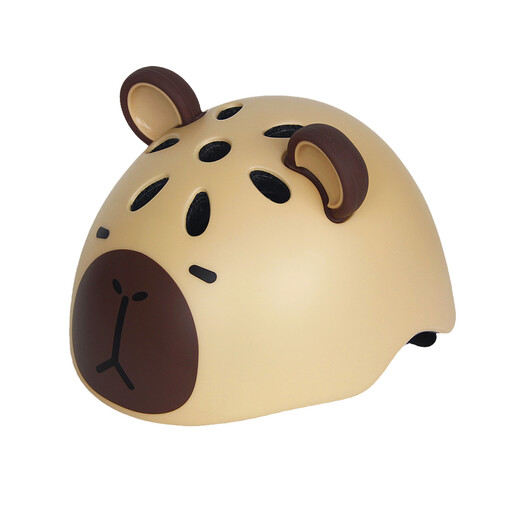
Why This Fits Their Persona: Perfect for parents looking for a safe helmet that their child will actually want to wear. The fun capybara design makes safety appealing.
The adjustment system ensures a proper fit on a growing head. The EN1078 certification guarantees that the helmet is not only fun but also meets strict safety standards.
The in-mold construction bonds the PC shell to the EPS foam for robust protection. The 7 ventilation holes and quick-release buckle make the helmet comfortable and user-friendly.
We have compiled a complete, up-to-date list of products that fully meet these strict selection criteria and safety regulations.
The right size is crucial for safety. Use a soft measuring tape to measure your head's circumference at its widest point, about 2.5 centimeters (1 inch) above your eyebrows. Most helmets are sold in sizes like S, M, or L, with a corresponding range in centimeters (e.g., M: 55-58 cm). Choose the size that matches your head circumference and use the adjustment dial for fine-tuning.
A helmet should be replaced immediately after a hard fall or impact, even if there is no visible damage. The internal EPS foam structure may have compressed, losing its shock-absorbing capability. Without an impact, it is recommended to replace a helmet every 3 to 5 years, as materials can weaken over time due to exposure to sweat and sunlight.
Yes, in many cases. Check if the helmet meets the EN 1078 certification. This European standard applies to helmets for both cyclists and users of skateboards and roller skates. An adult skate helmet with this certification offers tested protection for both activities, making it a versatile multi-sport helmet.
