
Vandaag of morgen in huis

Kwaliteit gegarandeerd

Welkomstaanbiedingen ontgrendelen: GRATIS bezorging | Tot 80% korting | Gratis 30 dagen JoyPlus-proefperiode
Download de app
Searching online for size 42 shoes seems straightforward. But the same EU size can fit differently depending on the brand, style and intended use. A trainer for everyday wear also needs to do a different job from a running shoe, walking boot or slide. If you only consider size and appearance, you could end up with too little room, poor grip or a material that isn’t suited to the British weather.
An EU size doesn’t guarantee a perfect fit. Always check the recommended foot length in millimetres or centimetres. In the models available, for example, size 42 may be listed for a 26.5 cm foot, or as part of a size range such as 42-43, with a recommended foot length of 265 to 270 mm.
Measure your feet at the end of the day, wearing the socks you’d normally use. Measure both feet and go by the longer measurement. Width can also matter when choosing men’s size 42 shoes. A narrow sports shoe feels different from a wide style for everyday wear.
A sole designed for indoor football isn’t automatically suitable for streets, mud or wet grass. Look for:
A size 42 football boot with FG studs is designed for natural grass. Don’t use this type of boot as standard in a sports hall: the sole could damage the floor and may be less suitable for quick turns.
Terms such as “breathable”, “waterproof” and “extra comfortable” are only useful when the product information specifies a material or construction. Look for details such as mesh, GORE-TEX, EVA cushioning, a rubber outsole or a specific fit. A brand’s product description is a claim about how the product performs, so check that the feature suits your needs and the conditions you’ll use it in.
Don’t automatically choose the same size for size 42 trainers, size 42 slides and size 42 running shoes. Slides in size 42-43 may fit more loosely than a lace-up shoe with a standard fit. For running, a secure heel and enough room around the toes are important, as your feet can swell slightly as you move.
Also check whether the style:
A lightweight shoe can be comfortable for everyday walking, commuting and short training sessions. Product descriptions sometimes mention EVA, Dreamstrike foam or another midsole construction. Treat these as technical specifications, not a guarantee that every wearer will have the same experience.
When choosing comfortable size 42 shoes, the combination of fit, weight and sole thickness matters more than any single marketing term. A thick sole isn’t always practical for sports that require plenty of ground contact and agility.
For size 42 walking and trail running shoes, check the outsole tread, protection around the toe and level of water resistance. Product information associates a GORE-TEX membrane with protection against water, but seams, the tongue and the opening can also affect how dry your feet stay.
For size 42 indoor shoes, look instead for a non-marking rubber sole, flexibility and easily adjusted laces. For slides, a contoured footbed, textured sole or drainage is more relevant than maximum cushioning.
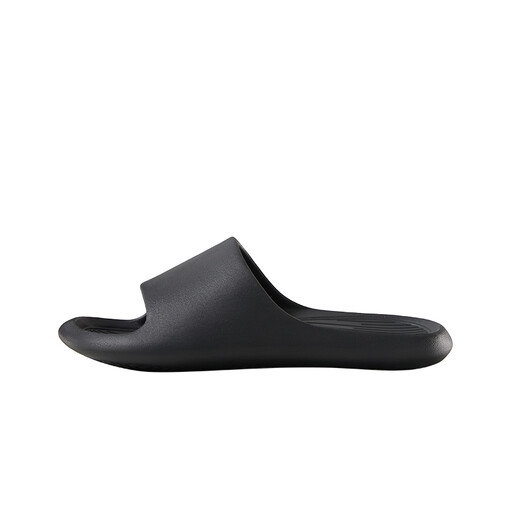
Why it suits this profile: A lightweight style for wearing at home, popping out for a few errands and relaxing outdoors. Its wide shape may suit broader feet.
The product information specifies a wide fit, raised toe edge and textured footbed. Check that 270 mm matches your foot length.
EVA construction, lightweight design and a wide shape; suitable for indoors and short periods outdoors.
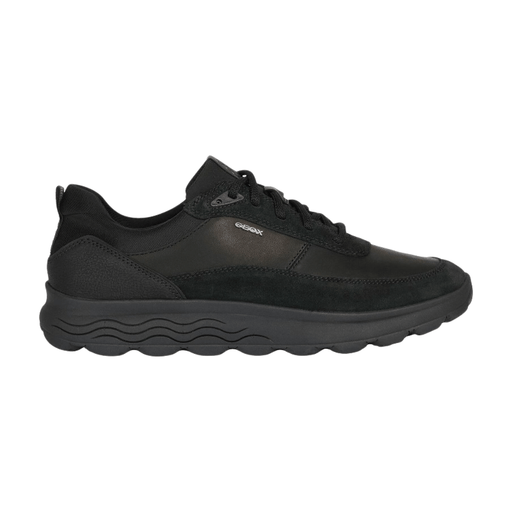
Why it suits this profile: A leather and suede trainer for anyone looking for a smart everyday shoe that also works with smart-casual outfits.
The materials are clearly specified: leather, textile and synthetic components. This means you can choose how to care for the shoes based on their materials, rather than relying on general claims.
Leather and suede upper, lace-up fastening and removable insole, according to the product description.
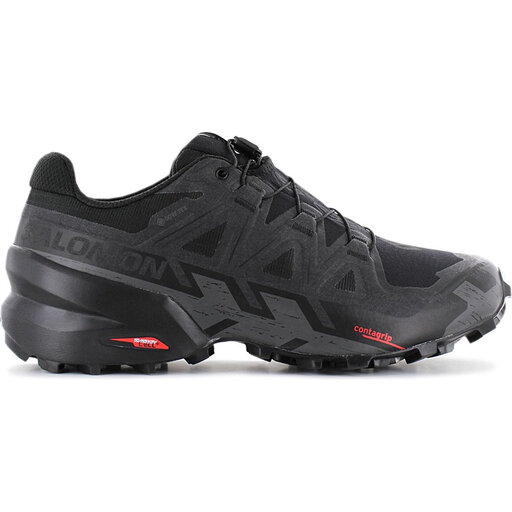
Why it suits this profile: Designed for trail running and off-road terrain, with features suited to muddy, loose or technical paths.
Rather than making a general claim about its intended use, the product information specifies deep Contagrip lugs, a GORE-TEX membrane and Sensifit. This makes it easier to assess whether it’s suitable for wet trails.
GORE-TEX, Quicklace, synthetic mesh and a chunky rubber tread, according to the product description.

Why it suits this profile: For adults who play indoor football or futsal and want a flexible shoe with grip on court floors.
The product information explicitly specifies a non-marking rubber sole and use on indoor surfaces. This makes it a clearer choice than a general sports shoe.
Synthetic textile upper, EVA insole, reinforced toe and lace-up fastening.
We’ve put together a complete, up-to-date list of products that meet these strict selection criteria and current European safety regulations.
Place a sheet of paper against a wall, put your heel against it and mark the furthest point of your foot. Measure both feet in millimetres or centimetres. Compare the longer measurement with the size guide for the style. Also consider the fit and the thickness of the socks you usually wear.
No. Trainers, slides, walking boots and running shoes can all fit differently. A style in size 42-43 also covers a different size range from a shoe sold only as EU 42. Always check the recommended foot length for the specific product.
How long they last depends on the material, how often you wear them, the surface you use them on and how well you care for them. Let wet shoes dry at room temperature, keep them away from direct heat and don’t wear them on surfaces they weren’t designed for. Check the soles, seams and heels regularly; visible wear is a good indication that it’s time for a new pair.
