
Vandaag of morgen in huis

Kwaliteit gegarandeerd

Welkomstaanbiedingen ontgrendelen: GRATIS bezorging | Tot 80% korting | Gratis 30 dagen JoyPlus-proefperiode
Download de app
Buying syrup may seem simple, but the options vary widely. A bottle for making squash has different qualities from a fruit syrup for yoghurt, a coffee syrup or a thick topping for pancakes. If you focus only on flavour or packaging, you could end up with a product that’s too sweet, runs out quickly or isn’t right for how you plan to use it.
So, look out for these three common pitfalls:
The ingredients are what matter when choosing a fruity squash. A product can taste fruity because it contains fruit juice, concentrate, natural flavourings or a combination of these. For example, Karvan Cevitam Blackcurrant Original Syrup lists 75% fruit juice from concentrate, including apple, blackcurrant and elderberry. According to the product specifications, blackcurrant makes up 10% of the ingredients.
A product such as Oncu Pomegranate Syrup 100%, on the other hand, lists 100% pomegranate juice concentrate as its ingredient. This pomegranate syrup is an interesting choice if you’re looking for a bold, tart fruit flavour for cocktails, dressings or desserts. Bear in mind that “100% juice concentrate” and “100% fruit” aren’t necessarily the same thing.
Not every syrup is intended to be diluted with water. It’s worth distinguishing between:
For example, Pueblo Siroop Orgeade is an almond syrup made with water, sugar, almonds and natural flavourings. The product information says it can be used in drinks, cocktails and desserts. As it contains almonds, it isn’t suitable for anyone who needs to avoid this allergen.
Compare more than just the price of the bottle: check its contents and the number of servings too. Karvan Cevitam Blackcurrant Original Syrup contains 600 ml and, according to the product information, can make up to 30 glasses of squash. It contains 55 grams of sugar per 100 grams of product. The syrup should be refrigerated after opening.
Different features matter for a breakfast product. According to the label, Citadelle Maple Syrup Gold contains 100% natural maple syrup and comes in a 250 ml bottle. The nutrition information lists 87 grams of sugar per 100 grams. This syrup should also be refrigerated after opening.
Always check the current packaging for the best-before date, storage instructions and full allergen information. Product details may vary between packaging or markets.
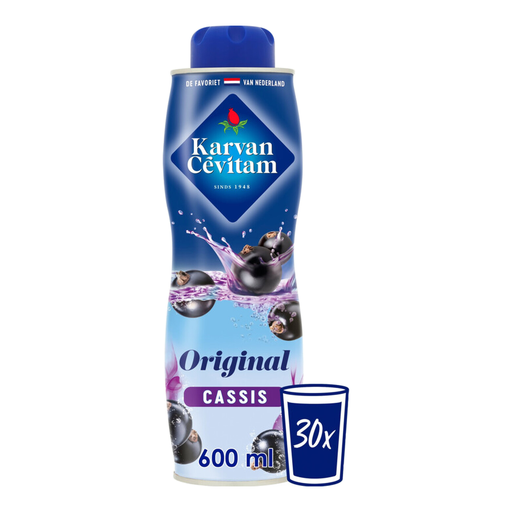
Why it suits this shopper: A practical choice for families or households that regularly make squash. According to the product information, one bottle makes up to 6 litres of drink when diluted at a ratio of 1:9.
The recommended dilution ratio and stated number of servings make it easier to estimate how much you’ll use than relying on bottle size alone.
600 ml, 75% fruit juice from concentrate according to the product description, and suitable for still or sparkling water.
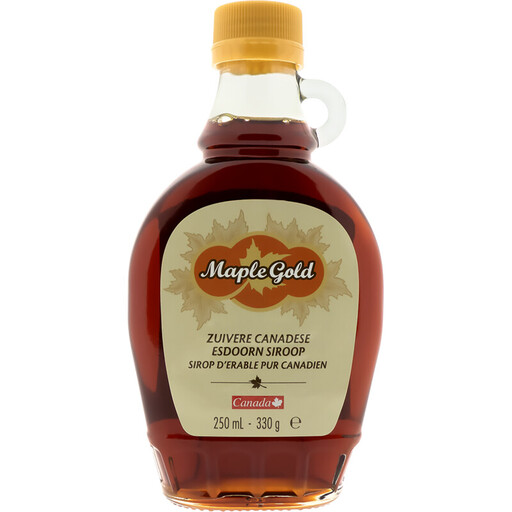
Why it suits this shopper: Ideal if you want a pure topping for pancakes, ice cream, yoghurt or breakfast dishes, and care about what’s on the ingredients list.
The product information lists a single ingredient: 100% natural maple syrup. That makes it easy to check exactly what’s in it.
250 ml, made from maple sap according to the product description, and suitable for hot and cold uses.
Why it suits this shopper: A generous bottle for almond flavour fans who use syrup in cocktails, mocktails, desserts or chilled drinks.
Its uses are clearly described and the bottle contains 1 litre. Always check the use-by date and storage instructions after opening.
1 litre, contains almonds and can be used in drinks, cocktails and desserts.
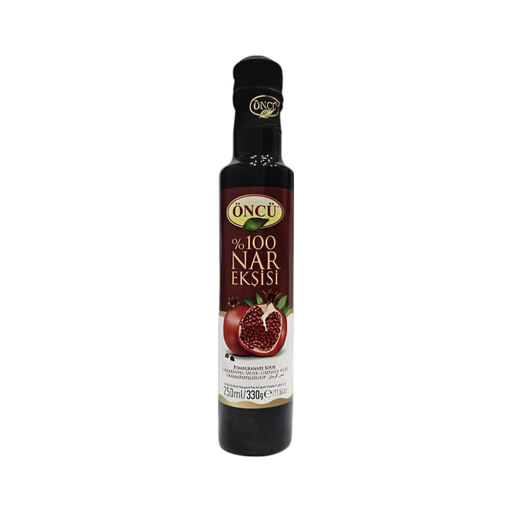
Why it suits this shopper: For anyone looking for pomegranate syrup with a bold, tangy flavour for cocktails, sauces and desserts.
The ingredients list contains only 100% pomegranate juice concentrate, so you won’t mistake it for a flavoured squash syrup.
330 grams, glass packaging and a short ingredients list according to the product details.
We’ve put together a complete, up-to-date list of products that meet these strict selection criteria and the applicable European safety regulations.
Choose a product with clear dilution instructions and a recommended ratio. According to the product information, Karvan Cevitam syrup is mixed with water at a ratio of 1:9. Thick fruit syrup, maple syrup or dessert syrup is usually intended as a topping or ingredient, rather than as a base for a large glass of squash.
It varies by product. Many syrups need to be refrigerated after opening and used within the period stated on the label. Close the bottle or jar tightly, and don’t use a product if its packaging is damaged or its smell, colour or texture has clearly changed.
No. Natural syrups such as maple syrup, agave syrup and honey syrup still contain sugars. So compare the nutritional information per 100 grams and check the serving size. For fruit squash, the amount of syrup you use per glass also matters.
