What should you look for when choosing?
First decide whether the toast should be a neutral base or add flavour of its own. Then check that the pack you choose is suitable for your guests and contains the quantity you need.
| What to consider |
What to check when buying |
Who it matters to |
| Flavour with your toppings |
Check whether ingredients such as sesame, herbs or grains give the toast a distinctive flavour. Choose plain toast if you want the toppings to take centre stage. |
I want to offer a variety of toppings without the toast dictating the flavour each time. For around 25% of consumers, how well it goes with the topping comes first. |
| Allergens and dietary requirements |
Read the current ingredients list and allergen statement on every pack. Check any separate alternative before serving it, too. |
If a guest needs to avoid certain ingredients, I want to check the toast as well as the toppings. Suitability for that guest is the main concern for around 31% of consumers. |
| Ingredients and nutritional information |
Compare fibre and salt per 100 g. Consider an organic certification separately from the nutritional information and the mention of salt in the ingredients list. |
I want to know what’s in the toast, even when the packaging highlights wholemeal or organic credentials. Around 19% of consumers prioritise this label information. |
| Pack size |
Compare the pack weight and, where stated, the number of pieces with your number of guests and other snacks. |
When sharing a platter, I want to avoid running short because I’ve bought one small pack. Having enough toast for the group is the top consideration for around 25% of consumers. |
Toast and rice toast at Joybuy
These products include melba toast for toppings, a larger pack of melba toast and a rice toast to consider separately. Don’t choose based on a premium-sounding name alone: check that the flavour, pack size and current ingredients suit your party platter.
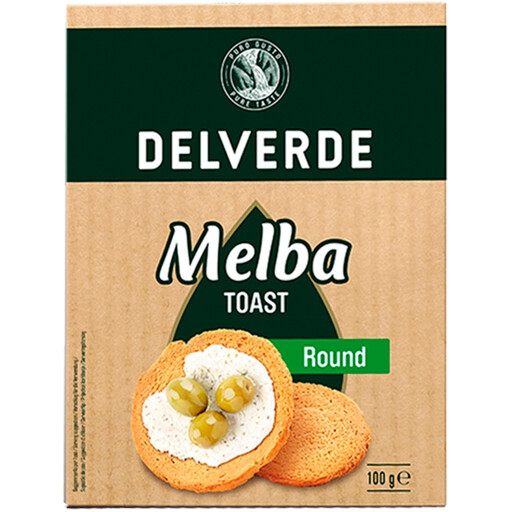 Image unavailable
Conimex Delverde round melba toast, 100 g
Consider this round melba toast if you want to combine a variety of toppings on a small platter.
Before serving it to guests with allergies, check the current packaging for wheat and barley, and for the possible presence of sesame, soya and mustard.
View at Joybuy
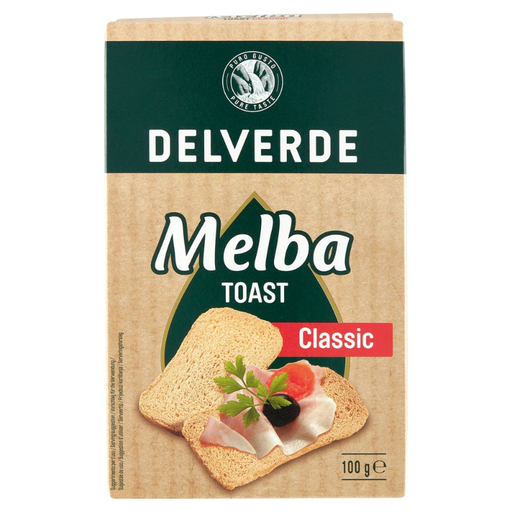 Image unavailable
Delverde Classic melba toast, 100 g
This classic melba toast is an option if you’re looking for one variety to serve with a mix of savoury and sweet toppings.
If you’re serving guests with allergies, read the current label even when you choose plain toast.
View at Joybuy
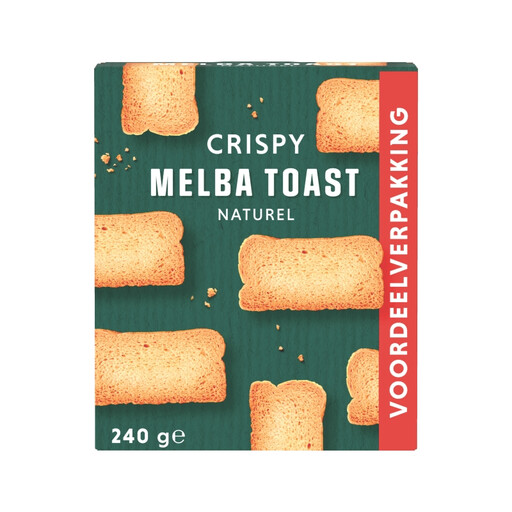 Image unavailable
Crispy melba toast, 240 g
The larger pack could be a good option if you’re serving toast to several guests. Consider how its flavour will work with your chosen toppings.
The allergen information for this product is contradictory. Check the current packaging before serving it to anyone with an allergy.
View at Joybuy
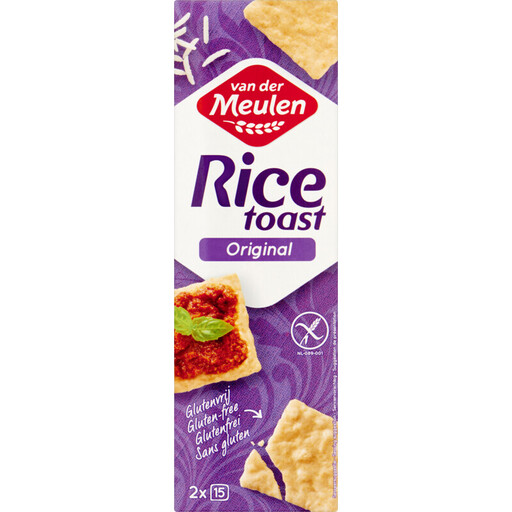 Image unavailable
Van Der Meulen Rice Toast Natural, 65 g
Consider this rice toast if you want to offer a separate type of toast alongside melba toast. Match the quantity to the number of guests.
For specific dietary requirements, check the current packaging. The available information about sesame and soya is inconsistent, so the product name alone doesn’t confirm whether it’s suitable.
View at Joybuy
Frequently asked questions
Does all toast contain iodised baker’s salt?
Don’t assume it does. In 2008, the Ministry of Health, Welfare and Sport described an agreement encouraging the use of iodised salt in bread and bread substitutes; this doesn’t tell you which salt is used in an individual pack of toast. Check the ingredients list if the type of salt matters to you.
Which allergens should I check in melba toast?
At the very least, check the label of the variety you’ve chosen for cereals containing gluten, soya and sesame. The products described by Albert Heijn and Jumbo differ in this respect. Also check the current packaging for any warnings about the possible presence of allergens.
How can I keep toast crisp until serving?
Store toast according to the instructions on the packaging and wait until just before serving to pair it with moist toppings. The product information reviewed recommends storing it in a dry place and, for one variety once opened, keeping it in a sealed tin. You can also serve the toast and toppings separately.
Does organic toast contain less salt?
No. Organic certification doesn’t tell you how much salt the toast contains. The organic sesame toast from Van der Meulen reviewed here lists 2.1 g of salt per 100 g, while AH Biologisch’s lists 1.1 g per 100 g. Compare the nutritional information for the products you’re actually considering.


