
Vandaag of morgen in huis

Kwaliteit gegarandeerd

Welkomstaanbiedingen ontgrendelen: GRATIS bezorging | Tot 80% korting | Gratis 30 dagen JoyPlus-proefperiode
Download de app
A sink strainer may seem like a small kitchen accessory, but the wrong model can quickly become a nuisance. A strainer that doesn’t fit the waste properly may let food scraps through or fill up after just a few washes. Thin, disposable sink filters are also sometimes sold without clear information about their size or how they fit.
So, look out for these three common pitfalls:
The right choice depends on your sink, cooking habits and how much waste you deal with each day.
Before buying, measure the diameter of the waste opening and check whether the strainer sits on top of the waste or fits inside it. For a fixed sink, a compact kitchen waste strainer is often practical. If you have several sinks at home, an adjustable model may be more convenient.
A telescopic design, such as an extendable sink colander, should rest securely on the edges when fully extended. Don’t put a heavy pan in it unless the manufacturer specifies a weight limit. Also check that there’s enough space next to the tap and in the sink.
A stainless steel sink strainer is suitable for regular contact with water and food. According to the product description, 304 stainless steel, also known as 18/8, is a food-grade steel with a coating-free finish. That doesn’t mean it needs no care: remove any residue and moisture after use.
Plastic or flexible disposable filters can be handy for temporary use, rented homes or large amounts of waste. Make sure the filter stays securely in place, and check whether you’ll need a separate rack or holder.
A reusable sink filter should be easy to remove from the waste and rinse clean under the tap. Fine mesh can be suitable for small particles, but needs more frequent cleaning. A model with larger drainage holes lets water flow through faster, but may catch fewer small scraps.
For disposable sink filters, the pack size is especially important. A multipack of 100 or 500 may work out cheaper per use, but only if the filters fit your holder. Replace filters as soon as they become damaged or noticeably slow the water flow.
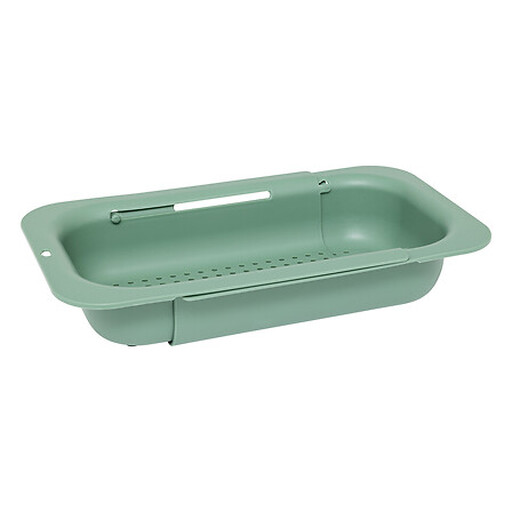
Why it suits this type of user: The extendable design is ideal if you’re looking for one flexible kitchen helper for different tasks, such as rinsing and draining.
The adjustable design reduces the risk of a fixed-size strainer not fitting your sink. Be sure to check your sink’s dimensions before buying.
Extendable design and versatile use in the kitchen, with no permanent installation required.

Why it suits this type of user: The combination of 304 stainless steel and a telescopic design makes this a good fit for households looking for a durable, reusable option for washing and draining vegetables.
The stated dimensions are 42,6 × 21 × 6,9 cm. This makes it easier to check whether it will fit your sink, rather than relying on the word “universal”.
304 stainless steel, a coating-free finish, evenly spaced drainage holes and dishwasher-safe, according to the product description.
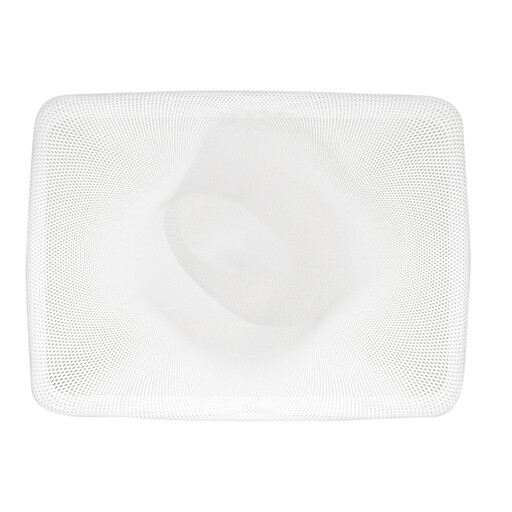
Why it suits this type of user: A pack of 100 filters is handy for kitchens, cafés or households that want to replace disposable sink filters regularly.
Regular replacement helps prevent a clogged filter from slowing the water flow. Before use, check whether you already have a suitable rack or holder.
100 filters per pack, suitable as a consumable for a frequently used kitchen waste.
We’ve put together a complete, up-to-date list of products that meet these strict selection criteria and the applicable European safety requirements.
A sink filter helps keep debris out of the waste, but it doesn’t replace routine maintenance of the trap. If blockages keep coming back, there may be a build-up further down the waste pipe.
Measure the diameter of the waste opening and check the shape of the rim. Compare these measurements with the product specifications. For a telescopic model, you should also measure how much space the strainer will need across the sink edges.
A reusable metal strainer can last a long time with proper care. Replace it if the mesh is bent, torn or difficult to clean. Replace a disposable filter as soon as it’s full or slows the water flow. How often you’ll need to change it depends on how much food waste you produce.
That depends on the mesh size or the size of the openings. Fine mesh catches smaller particles more effectively, but can fill up faster. It’s best not to pour coffee grounds or oil down the waste, even if you have a sink filter. This helps reduce build-up in the pipes.
