
Vandaag of morgen in huis

Kwaliteit gegarandeerd

Welkomstaanbiedingen ontgrendelen: GRATIS bezorging | Tot 80% korting | Gratis 30 dagen JoyPlus-proefperiode
Download de app
A sink strainer may seem like a simple kitchen essential, but the wrong size or an awkward design can quickly become frustrating. It may slip out of place, let too many food scraps through or fail to fit your sink. That’s why it’s worth checking the practical details first, whether you’re shopping for a family home, student accommodation, a keen home cook or a small café.
A low price tells you little about the fit, material or number of items in the pack. A single sink strainer may seem like a good buy, but it’s less practical if you have several drains or regularly need a spare. Always check whether you’re buying one item, a set or disposable filters.
Not every sink has the same opening or rim width. A fixed kitchen sink strainer may be too small, while a large sink colander may sit unstably on a narrow sink. For an adjustable sink colander, check its minimum and maximum width. If these measurements aren’t listed, it’s hard to be sure it will fit.
Product descriptions may use terms such as durable, hygienic or rust-proof. Instead, look for specific material details. 304 stainless steel, for example, is a verifiable description of the type of steel used. Other products may simply state “stainless steel” without giving further details. A coating or plastic component can also affect care and use.
Before you buy, measure the inside of your sink and the space around the drain. For a sink strainer, check:
An extendable model is handy if you have different-sized sinks, but it should remain stable when fully extended. Only place heavy pans or large amounts of crockery in it if the product information says it’s suitable.
A stainless steel sink strainer is suitable for everyday contact with water and food. The PURECOOK model is specifically described as 304 stainless steel (18/8). The manufacturer describes it as uncoated and corrosion-resistant; this is a claim made in the product information, not a guarantee for every use.
Plastic can help keep the weight down, as with the 5five Stainless Steel Strainer, which is made from stainless steel and polypropylene. Always check the product details before putting a strainer in the dishwasher. If it isn’t dishwasher-safe, clean it after use with mild washing-up liquid and a soft sponge.
A coarse sink strainer catches larger food scraps such as pasta, vegetable peelings and pieces of bread. A fine-mesh filter is better for small particles, tea, stock or sauces, but may clog more quickly. A sink colander for vegetables and crockery usually needs larger, evenly spaced drainage holes.
Also consider the difference between a reusable sink strainer and disposable filter bags. A reusable strainer needs cleaning after each use. Disposable mesh filters are quicker to replace, but come with ongoing costs and create extra waste.
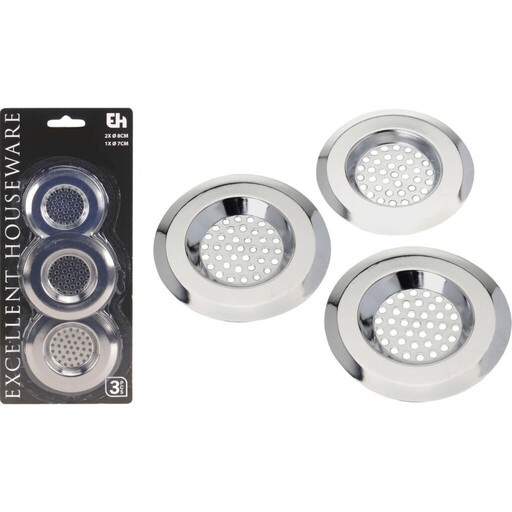
Why it suits this user: A set of three is practical for homes with several drains or if you want spares. Each strainer has a diameter of 8 cm.
The fixed diameter makes it easy to check the size before buying. Just make sure 8 cm suits your drain.
Three pieces, stainless steel according to the product listing, and dishwasher-safe.

Why it suits this user: This adjustable sink colander is designed for anyone looking for a metal basket with a wide range of uses, from draining vegetables and fruit to holding crockery.
The 42.6 × 21 × 6.9 cm dimensions and telescopic design give you more information than the word ‘universal’ alone.
304 stainless steel, evenly spaced drainage holes, an extendable design and, according to the product information, dishwasher-safe.
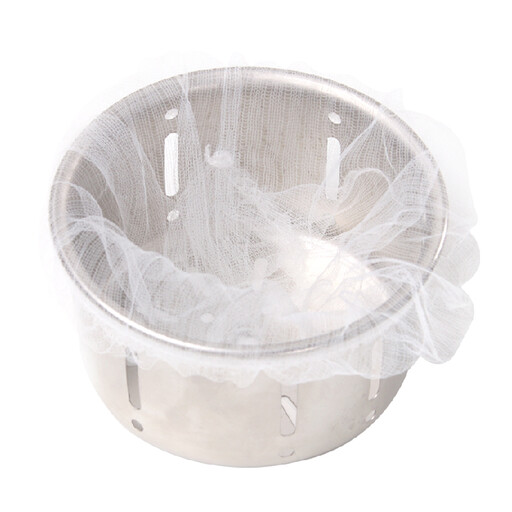
Why it suits this user: A large pack is a good choice for kitchens, cafés or households that regularly replace disposable drain filters.
The pack size is clearly stated: 500 filter screens. Before buying, check that the size and fitting are suitable for your drain.
A large supply of disposable filters, ideal if you’d rather replace them quickly than clean them.
We’ve put together a complete, up-to-date list of products that meet these strict selection criteria and the applicable European safety regulations.
Remove food scraps straight after use. Rinse the strainer with lukewarm water first, then use a soft sponge. With fine-mesh models, it’s important to keep the holes clear, as stuck-on residue can slow drainage. Don’t use steel wool or harsh abrasive cleaners if the product information advises against them.
A sink strainer won’t prevent every blockage. Grease, coffee grounds and small food scraps can still get through the holes. Put collected scraps in your general waste and don’t pour oil or fat down the drain.
No. An extendable model fits a range of sizes, but it won’t necessarily fit every sink. Measure the available width and check that the colander’s edges rest securely on the sink.
Empty and rinse a reusable sink strainer after every use. Give it a more thorough clean if you notice a build-up, an odour or slower drainage. Replace disposable mesh filters when they’re full or water no longer drains through them properly.
That depends on the exact material and how you care for it. Products described as stainless steel are intended for use in a damp kitchen environment. The PURECOOK model is listed as 304 stainless steel. Dry a metal kitchen strainer thoroughly after cleaning and follow the manufacturer’s care instructions.
