
Vandaag of morgen in huis

Kwaliteit gegarandeerd

Welkomstaanbiedingen ontgrendelen: GRATIS bezorging | Tot 80% korting | Gratis 30 dagen JoyPlus-proefperiode
Download de app
A clogged sink is one of the most common kitchen frustrations. Food scraps, grease, and other small debris build up, causing not only blockages but also unpleasant odours. A simple sink strainer is the solution, but the wrong choice can make the problem worse. Many strainers fit poorly, still let debris through, or are a nightmare to clean.
As a Joybuy Product Recommendation Officer, I'm here to help you make the right choice. We'll look at the pitfalls to avoid and the specifications that truly matter, so you can effectively prevent sink clogs.
Before you purchase a sink filter, it's crucial to know what often goes wrong. Many products look great online but prove to be impractical in reality.
kitchen drain strainer needs the right balance. The holes must be small enough to stop rice, coffee grounds, and other fine particles, but large enough to let water flow through smoothly. A strainer with oversized holes only catches large chunks, while smaller particles accumulate deeper in the drain, causing a slow-forming clog anyway.To avoid the problems above, focus on a few key features. These determine whether a filter for the sink will do its job effectively.
The material is crucial for longevity and maintenance.
A kitchen drain filter only works if it fits correctly. Most standard kitchen sinks have a drain opening with a diameter between 3 and 4.5 inches (approx. 8-11 cm). Measure your drain's diameter before making a purchase. A strainer should lie flat on the bottom of the sink and completely cover the drain.
There are two main systems:
Below are a few options that suit different needs and households, based on their specifications.
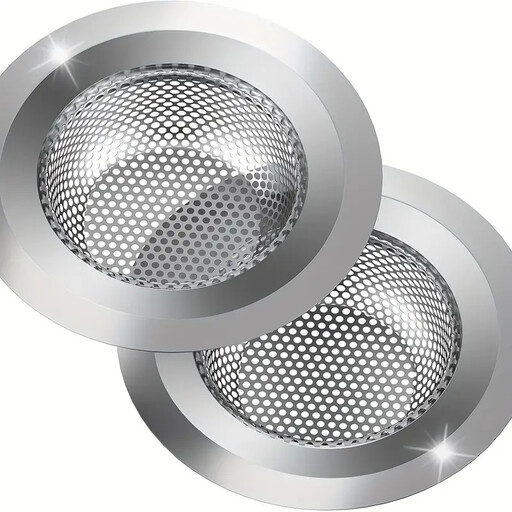
Why This Fits Their Persona: Ideal for renters, students, or anyone seeking an immediate and affordable solution. This set of two offers a no-frills approach to keeping the sink clear without a major expense.
The universal design is made for standard sinks, which reduces the risk of a poor fit. The simple, open design prevents debris from accumulating in tricky corners, making it easy to rinse clean.
A direct, functional solution. The set of two ensures you always have a spare on hand.
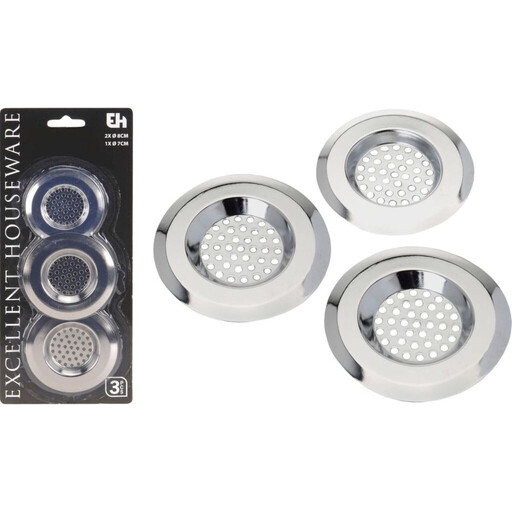
Why This Fits Their Persona: For homeowners and cooking enthusiasts who invest in durable kitchenware. This set is built for long-term, heavy use and provides a reliable, hygienic solution.
Made of stainless steel (SS), which prevents rust and heat-induced warping. The fine perforations effectively catch small particles without impeding water flow, tackling the 'oversized holes' pitfall.
Durable and hygienic stainless steel material. Dishwasher-safe for easy maintenance. Comes in a set of three.
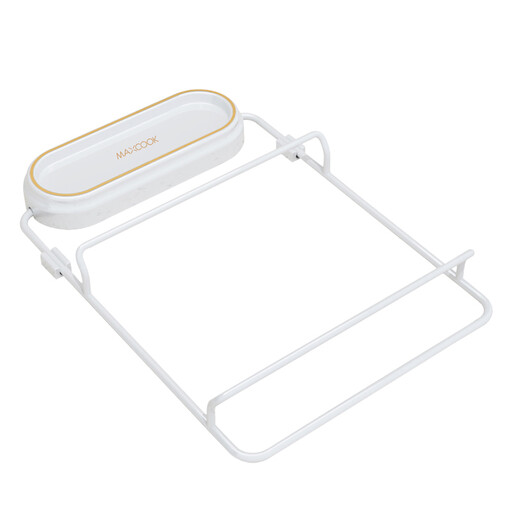
Why This Fits Their Persona: Perfect for those who hate cleaning a grimy sink filter. This system offers maximum convenience and hygiene: full net out, new net in. Ideal for busy households.
This system completely bypasses the 'difficult to clean' pitfall. The fine-mesh net is also highly effective at catching the smallest particles, solving the 'oversized holes' problem.
Extremely hygienic, no cleaning required. Catches even the smallest food scraps. The set includes a holder and 50 disposable nets.
We have compiled a complete, up-to-date list of products that meet these strict selection criteria and practical requirements.
For a reusable model, like a stainless steel strainer, a daily rinse is recommended to prevent buildup. A more thorough weekly cleaning with soap and water will keep the filter hygienic. With a disposable net system, you replace the net as soon as it's full, which could be daily or every few days, depending on use.
No, not every filter is universal. While many strainers are designed for standard drain sizes (typically around 3-4.5 inches), it's wise to measure your drain's diameter before buying. A strainer that doesn't fit properly will still let debris through, rendering it ineffective.
This depends on your personal preference. A metal stainless steel sink strainer is a durable, one-time purchase that produces no waste but requires regular cleaning. Disposable nets offer more convenience and hygiene since you don't have to touch the waste, but they do involve ongoing costs and create waste.
