
Vandaag of morgen in huis

Kwaliteit gegarandeerd

Welkomstaanbiedingen ontgrendelen: GRATIS bezorging | Tot 80% korting | Gratis 30 dagen JoyPlus-proefperiode
Download de app
A sink colander may seem like a simple kitchen accessory, but the wrong model can quickly become irritating. It may not fit the sink properly, slide around when you drain food or hold on to too much water. Some products are also advertised as multifunctional, yet offer barely enough room for vegetables, fruit or crockery in practice.
Use these checks to compare an extendable sink colander, stainless steel colander, sink strainer and dish drainer based on the features that really make a difference in a British kitchen.
A telescopic or extendable colander is handy for different sinks, but only if its adjustment range suits your sink. So check the length, width and support points. A model that rests only on the rim may become unstable when you use it for a heavy pan of pasta or a large quantity of vegetables.
A kitchen sink strainer or colander with very small holes catches fine particles more effectively, but may also drain more slowly. Larger holes let water through faster, but make it easier for things such as grains of rice or small food scraps to get through. So think about what you’ll use it for: washing vegetables calls for something different from a sink strainer for food scraps.
“Rust-resistant” or “food grade” doesn’t always tell you what material has been used. For a stainless steel colander, a specific designation such as 304 stainless steel is easier to verify than a general marketing term. Also check the seams, edges and finish. Sharp or raised edges can be awkward to handle every day.
Measure the inside of your sink and compare it with the colander’s dimensions. A model measuring 42,6 × 21 × 6,9 cm is designed for a different purpose from a round basket measuring 27,3 × 22,6 × 9,1 cm. Also check that the sink rims fully support the colander.
For small flats, rented homes and compact kitchens, an extendable sink colander is practical because you can store it in a narrower space after use. A fixed basket with handles, on the other hand, is easier to move from the sink to the worktop or fridge.
304 stainless steel is a specific material stated in the product information for some colanders. A coating-free finish means you don’t have to rely on an applied layer that could get damaged. Ideally, wash stainless steel with mild washing-up liquid and a soft sponge. Avoid wire wool and abrasive cleaners to help prevent scratches.
A plastic dish drainer may be lighter and come with extra parts, such as a cutlery holder or drip tray. If so, check whether the parts can be cleaned separately and whether water could be left standing in them for a long time.
A colander and a drain filter don’t do exactly the same job. A colander is designed for washing and draining food; a filter or sink strainer helps keep solid scraps out of the drain. If you need both, you can use a sink colander alongside a separate sink strainer.
Look for the dishwasher-safe colander claim. This should be confirmed in the product information. The PURECOOK 304 stainless steel model is listed as suitable for dishwasher use, while other products only provide general care instructions. Always check the manufacturer’s guidance.
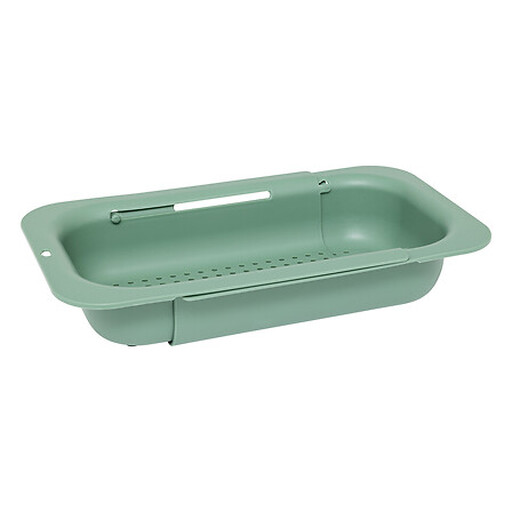
Why it suits this profile: This extendable model is ideal if you want a simple colander that sits straight over the sink and takes up less space when you’re done with it.
The adjustable design means you don’t have to commit to a fixed size straight away. Just check your sink’s measurements first.
Extendable design, suitable for everyday washing and draining, according to the product description.

Why it suits this profile: This model is designed for households that value a clearly specified material, adjustability and versatility in the kitchen.
The product information specifies 304 stainless steel, a coating-free finish, fine drainage holes and an adjustable design. This makes its key features easy to check.
Measures 42,6 × 21 × 6,9 cm and is suitable for washing vegetables, rinsing fruit and draining crockery; dishwasher use is also listed.
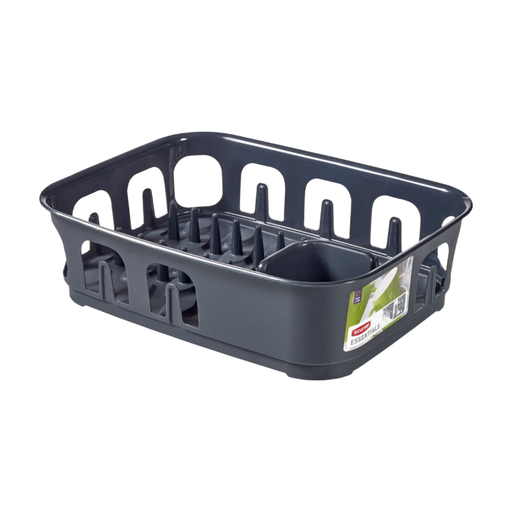
Why it suits this profile: If you mainly want to dry crockery, cutlery and cups next to the sink, this dish drainer offers better organisation than a standalone fruit and vegetable washer.
Its rectangular shape, cutlery holder, cup hooks and built-in drainage plug make its purpose clearer than a model that claims to do several jobs without offering any dedicated sections.
Holds up to 12 plates, has an integrated cutlery holder and measures 29 × 39 × 10 cm, making it suitable for placing next to the sink.
We’ve put together a complete, up-to-date list of products that meet these strict selection criteria and the applicable European safety regulations.
Choose a sink colander to wash and drain vegetables, fruit, rice or pasta. A sink strainer or drain filter is mainly designed to keep food scraps out of the drain. Use a dish drainer for plates, cups and cutlery. If you’re short on worktop space, choose a colander with handles that you can also use on the worktop or in the fridge.
If you’re choosing a kitchen organiser, also consider how much cupboard space you have. An extendable model usually takes up less room when stored than a large fixed basket.
Measure the usable width of the sink rim, not just the inside of the bowl. Also check that the support points sit flat and that the colander’s maximum extension suits the sink. Place the colander in the sink while empty before filling it with food.
Its lifespan depends on the material, how often you use it and how you care for it. A model with clearly specified stainless steel and a smooth, coating-free finish can be a practical choice for regular use. Avoid abrasive cleaners, check the edges and dry the colander after washing if moisture is left on it for a long time.
It depends on how you use them. A colander doesn’t automatically replace a drain filter: its holes and shape are usually designed for washing and draining. If you want to keep food scraps out of your kitchen drain, use a separate sink strainer or filter.
