A fixed portion of cornflakes can make it easier to count carbohydrates for a breakfast on your own, but it doesn’t automatically make cornflakes suitable for people with diabetes. Compare the weight you actually eat with the carbohydrates listed on the label and your personal dietary guidance. If the effect on your blood glucose matters more to you than the convenience of a portion-sized packet, compare breakfast cereals beyond the cornflakes category too.
Who might find a fixed portion useful?
Solo breakfast eater who counts carbohydrates
If you eat breakfast on your own and record your carbohydrates, knowing the portion weight can make calculations easier. According to diabetes.nl, with most diabetes technology you still need to count and enter the carbohydrates yourself.
Breakfast eater weighing up the effect on blood glucose
For you, what’s in your breakfast matters more than whether it comes in an individual packet. Diabetes Fonds cites cornflakes as an example of a low-fibre breakfast cereal; a smaller pack doesn’t change its nutritional composition.
Label checker who wants to stick with cornflakes
You want to compare cornflakes without relying on the ‘unsweetened’ label alone. Also look at total carbohydrates, fibre and how much you actually put in your bowl.
What should you look for when choosing?
First decide whether you mainly want to compare the nutritional make-up of your breakfast or measure your cornflakes accurately. Then check the label on the specific product: ‘single-serve’ describes the portion format, not its nutritional value.
| What to consider | What to check when buying | Who it matters to |
|---|
| Blood glucose and fibre |
Compare total carbohydrates and fibre per 100 g; consider the amount you eat in line with your personal dietary guidance. |
If the effect of my breakfast on my blood glucose comes first, I want to look beyond the size of a packet. This is the top priority for around 42% of consumers. |
| Portion and carbohydrates |
Check the weight of each packet or weigh your own portion; calculate the carbohydrates for that amount. |
When I eat breakfast on my own and record carbohydrates, I want to know how much is actually in my bowl. Portion control is the top priority for around 33% of consumers. |
| Convenience and labelling |
Check whether the pack contains individual portions, and read the nutritional and allergen information on the packaging. |
I want to be able to grab one portion quickly, but only if it’s clear what I’m eating. Around 25% of consumers value this convenience alongside clear product information above all else. |
Pitfalls with portions and labels
-
Assuming ‘unsweetened’ means ‘low in carbohydrates’
Foodshop.bio lists Smaakt Cornflakes Ongezoet as containing 1 g of sugars and 84 g of total carbohydrates per 100 g. The sugar content alone doesn’t tell you how many carbohydrates the product contains overall.
Check both figures in the nutrition table and calculate the amount based on the weight of your own portion.
-
Treating a 30 g portion as a personal recommendation
A portion size on a pack is a unit for calculation, not an amount that suits everyone. Voedingscentrum points out that manufacturers decide the portion size they list.
Weigh what you actually eat, and talk to your healthcare professional about an amount that fits your dietary or treatment plan.
-
Assuming a portion-sized packet has a different nutritional make-up
A smaller packet doesn’t change the nutritional value per 100 g. Diabetes.nl lists a glycaemic index of 81 for cornflakes as a product category; this figure doesn’t predict your personal response to a particular breakfast.
If the effect on your blood glucose is your main consideration, compare the total carbohydrates and fibre in other breakfast options too.
-
Reading only the online product page
Ingredients and allergens matter if you need to avoid a product. The Netherlands Food and Consumer Product Safety Authority requires allergens to be clearly listed on the labels of prepacked foods.
Check the allergen information on the packaging you receive before eating the product.
Brands to compare
These product ranges provide labels you can use to compare cornflakes. Their stated portion sizes and nutritional values don’t, on their own, tell you whether a particular breakfast is suitable for you.
Kellogg's
Kellogg's Corn Flakes are a useful reference when comparing a weighed portion of regular cornflakes.
- Kellogg's Netherlands lists 25 g of carbohydrates, 2.4 g of sugars and 0.9 g of fibre per 30 g.
- The stated portion isn’t personal dietary advice; consider how much you eat yourself.
Jumbo
Jumbo Cornflakes in a 500 g box are worth considering if you want to weigh out a consistent portion yourself.
- Jumbo lists 25.5 g of carbohydrates, 1.4 g of sugars and 0.8 g of fibre per 30 g.
- A box listing around 17 portions doesn’t mean those portions are individually wrapped.
Smaakt
Smaakt Cornflakes Ongezoet has a label you can use to compare sugar and total carbohydrate figures side by side.
- Foodshop.bio lists 1 g of sugars and 3.1 g of fibre per 100 g.
- The same product information lists 84 g of total carbohydrates per 100 g, so the product name doesn’t mean the portion is low in carbohydrates.
Breakfast cereals beyond cornflakes at Joybuy
These products are breakfast cereals outside the cornflakes category. You can compare them if the nutritional make-up of your breakfast matters more to you than having a portion of cornflakes. If you count carbohydrates, always check the nutritional information for the product you choose and weigh the amount you eat.
 Image unavailable
Quaker Oatmeal 600 g
An oat-based breakfast cereal to compare with cornflakes if you’re considering a different type of cereal. The pack contains 600 g. Check the nutritional information and weigh your own portion; don’t assume that the pack contains individual portion-sized packets.
View at Joybuy
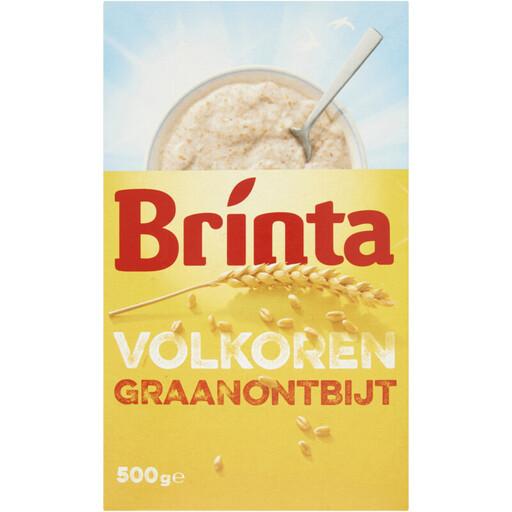 Image unavailable
Brinta Whole Wheat Cereal Breakfast 500 g
A breakfast cereal outside the cornflakes category for anyone who also wants to consider a wholegrain wheat option. The pack contains 500 g. Calculate the carbohydrates using the current nutritional information and the amount you weigh out yourself; check separately whether the box contains individual portions.
View at Joybuy
Frequently asked questions
Are single-serve cornflakes automatically suitable for people with diabetes?
No. A fixed portion weight doesn’t change the nutritional make-up of cornflakes. Diabetes.nl lists a glycaemic index of 81 for cornflakes as a product category; how many carbohydrates fit into your dietary plan varies from person to person.
Which figures should I compare on a cornflakes label?
First compare carbohydrates, sugars and fibre per 100 g, then calculate how much you actually eat. Voedingscentrum points out that manufacturers decide their own portion sizes, so two per-portion figures aren’t always directly comparable.
Should I count milk or yoghurt towards the carbohydrates in my breakfast?
Yes. If you’re recording the carbohydrates in your whole breakfast, count those in the milk or yoghurt too. Use the nutritional information and the quantities of the products you actually add.
Where can I check the allergens in cornflakes?
Check the allergen information on the packaging of the product you’re going to eat. The Netherlands Food and Consumer Product Safety Authority requires allergens to be clearly listed on the labels of prepacked foods; don’t rely on the ingredients of another brand or an online image.


