
Vandaag of morgen in huis

Kwaliteit gegarandeerd

Welkomstaanbiedingen ontgrendelen: GRATIS bezorging | Tot 80% korting | Gratis 30 dagen JoyPlus-proefperiode
Download de app
Whether you have a compact kitchen, a dorm room, a caravan, or are in the middle of a renovation, there are many situations where a full-sized stove just isn't an option. A single-burner electric cooktop is the perfect solution. But the market is flooded with models that make big promises. Unfortunately, marketing buzzwords often lead to buyer's remorse. Before you make a choice, it's wise to know what to look for.
As a Joybuy Product Recommendation Officer, I see which products are returned and why on a daily basis. It often comes down to a few common pitfalls. Let's clear those out of the way first.
To avoid a bad purchase, focus on the specifications that truly matter. These are the three most important factors for a portable cooktop.
The technology determines the speed, ease of use, and which pans you can use.
The power, expressed in watts, determines how quickly your cooktop reaches temperature.
Also, pay attention to the controls. A simple rotary knob is intuitive, while touch controls provide a sleeker look and are easier to clean. Multiple temperature or power levels give you more control than a simple on/off switch.
A portable hot plate is often used in various locations, making safety crucial. Check for the following features:
For those who frequently travel with the cooktop, a low weight (under 2 kg) and a compact size are significant advantages.
Below are a few models that suit different user profiles, based on their specifications.
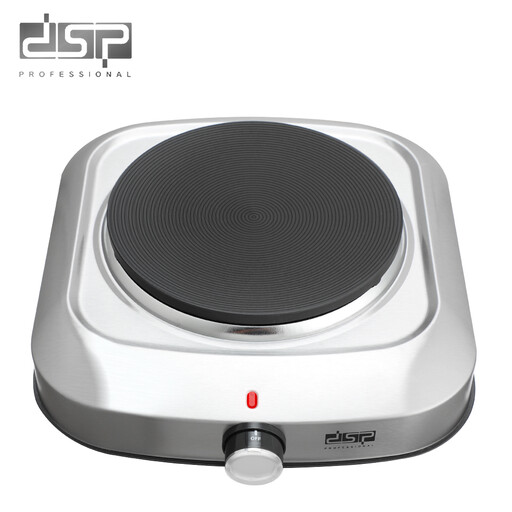
Why This Fits Their Persona: Ideal for a dorm room or as a first cooking solution. This model is functional, affordable, and does what it needs to do: heat a meal without complex features.
You're not paying for unnecessary extras. This traditional cooktop avoids the trap of excessive power and complex technology, making it perfect for basic use on a limited budget.
Robust cast-iron burner and simple operation with a rotary knob for temperature control. The 1500W power is a good balance between speed and energy consumption.
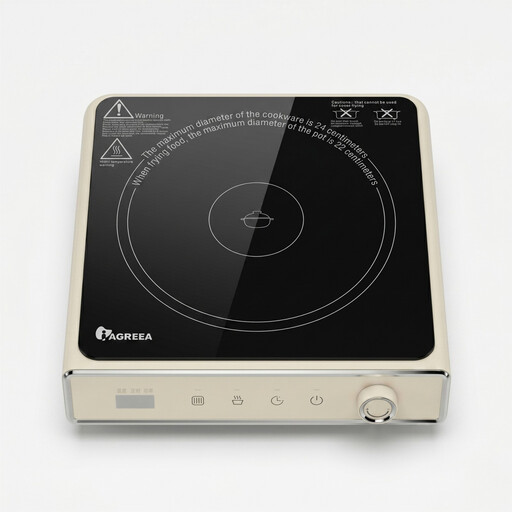
Why This Fits Their Persona: Perfect as an extra burner during a party or renovation, or for someone in a small apartment who already owns a set of pans. Versatility is its greatest asset.
This model bypasses the "wrong technology" trap. Because it's a ceramic cooktop, you don't need to buy new pans; it works with everything you already have in your cupboard.
Compatible with all pans. The smooth glass surface is very easy to wipe clean. Features a residual heat indicator and auto shut-off for added safety.
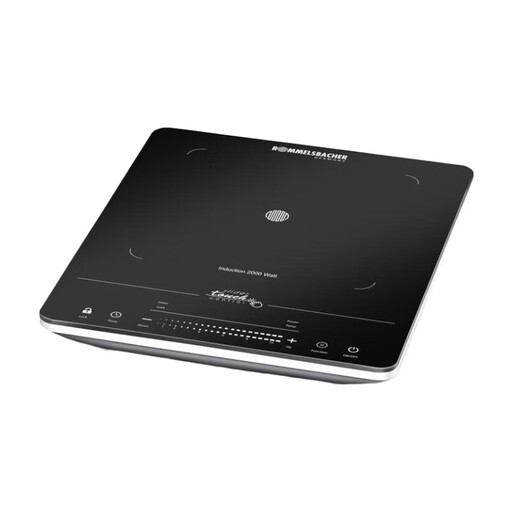
Why This Fits Their Persona: For those who value speed and efficiency. Ideal for a quick, hot lunch at the office or a meal at the campsite where you don't want to wait long.
This model tackles the pitfall of slow heating and high energy consumption. Its induction technology ensures rapid heating and prevents energy waste, as only the pan is heated.
Extremely fast heat-up and precise temperature control. The automatic pan detection ensures the cooktop only turns on when a suitable pan is placed on it, which is an extra safety measure.
We've compiled a complete, up-to-date list of products that fully meet these strict selection criteria and safety standards.
1. What is the power consumption of a single-burner electric cooktop? Consumption depends on the power (wattage) and how long you cook. A 1500-watt (1.5 kW) cooktop consumes 1.5 kilowatt-hours (kWh) if you use it at full power for one hour. With an average electricity price of $0.25 per kWh, an hour of cooking at full power would cost about $0.38. In practice, you rarely use the cooktop continuously at full power, so the costs will be lower.
2. Can I use a single-burner induction cooktop for camping? Yes, you can, but always check the campsite's power supply. Most campsites offer 6, 10, or 16 amps (A). A 2000-watt cooktop consumes about 8.7 amps (2000W / 230V). This is too much for a 6A connection. In that case, choose a model with a lower wattage (up to 1300W) or a cooktop with adjustable power settings.
3. What's the best way to clean a ceramic cooktop? Always let the cooktop cool down completely. The residual heat indicator shows when the surface is still hot. For daily cleaning, a damp cloth with a mild detergent is sufficient. For burnt-on residue, you can use a special scraper for ceramic cooktops and a dedicated cleaner. Never use abrasive sponges or harsh cleaning agents, as they can cause scratches.
