
Viewers on a wide sofa
You often watch from off-centre or with others spread around the room, and want dark and bright areas to remain clear and recognisable.


For watching silent films from a wide sofa, OLED is a sensible option to compare with LCD TVs that offer wide viewing angles. The best choice depends on the exact model and where you sit. RTINGS generally describes IPS panels as having wider viewing angles than VA panels, while VA panels generally offer higher native contrast. Also compare reflections, how the TV processes your film source and the intended playback speed. Extra motion interpolation won’t automatically make a film look more authentic.
You often watch from off-centre or with others spread around the room, and want dark and bright areas to remain clear and recognisable.
When watching in the evening, you pay particular attention to blacks and subtle gradations in old film images, not just the stated resolution.
You watch a variety of restored films or older digital sources, and want to assess upscaling and motion processing with each source.
Start with the seat you use most often. Then assess contrast, reflections and how the TV processes your film source in the conditions you watch in.
| Factor to consider | What should you look for? | Who should pay extra attention to this? |
|---|---|---|
| Picture from the side | Compare the same light and dark scene from the central seat and your furthest seat; check the viewing angle of the exact model. | When I watch from the ends of a wide sofa, I want to keep seeing both dark and bright details clearly. Around 36% of consumers rank off-centre viewing as their top priority. |
| Contrast and greyscale | Watch a black-and-white scene in your usual lighting and look at the blacks, gradations of grey and intertitles. | When watching black-and-white films, I want to keep seeing the differences between black, grey and intertitles in dark scenes. Around 29% of consumers put contrast and greyscale first. |
| Old transfers and motion | If possible, test your own source; check the intended playback speed and compare motion interpolation with it switched on and off. | When my films come from a range of old transfers, I want to assess whether upscaling and motion processing change the picture. Source processing is the top priority for around 21% of consumers. |
| Light and running costs | Assess reflections in your room and check the energy label for the exact model variant. | In a bright room, I want to take reflections and energy use into account without assuming that brightness means a good picture from the side. Around 14% of consumers put room lighting and running costs first. |
The backlighting or colour technology alone doesn’t tell you how an LCD panel performs from the side.
Check the panel type and look for a viewing-angle assessment of the exact model variant. Also compare the picture from your own furthest seat.
A demonstration like this won’t show how an older transfer is upscaled or how subtle black-and-white gradations look.
If possible, compare the same representative silent-film source from your own viewing positions.
Motion interpolation adds frames between existing ones and can cause artefacts in challenging scenes. The intended playback speed also varies between silent-film versions.
Start with the playback speed of the edition, then compare the picture with interpolation switched on and off.
The finish alone doesn’t tell you how a TV handles light in your room.
Assess the exact model in lighting conditions similar to those in which you usually watch.
The LG OLED C6 range available in the Netherlands is a specific OLED option to assess for screen size, contrast and viewing angle. LG also offers QNED Mini LED models, which don’t automatically have the same viewing-angle characteristics.
The 55OLED811/12 available in the Netherlands combines OLED with Ambilight, making it worth considering if you’d like to use this ambient lighting during film nights too.
The BRAVIA 8 II, model K-55XR8M2, available in the Netherlands, is a 55-inch OLED model to compare with other film-focused options.
The QE55S90FAEXXN available in the Netherlands is a 55-inch OLED S90F model to compare with other options, variant by variant.
The TV-55Z95BEG is a 55-inch OLED model available in the Netherlands to assess alongside the other models mentioned, without picking a winner in advance.
The models below include OLED TVs and a QLED TV. Assess each variant from your own seat, using a film source and room lighting similar to your usual viewing conditions.
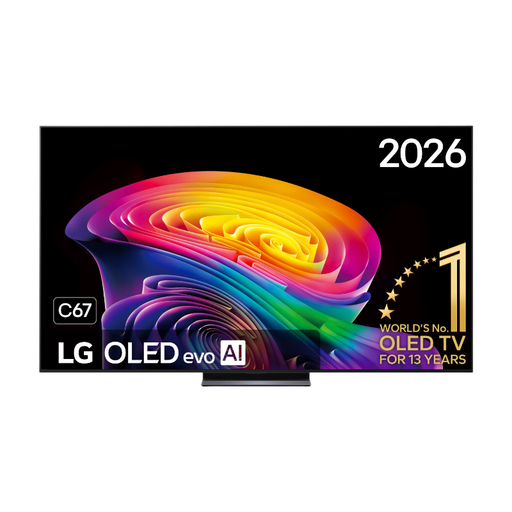 Image unavailable
An OLED model to compare if black-and-white contrast matters to you; also check the picture from your furthest seat.
The product information lists 4K, AI Super Upscaling 4K and Filmmaker Mode. Compare the processing with your own film source.
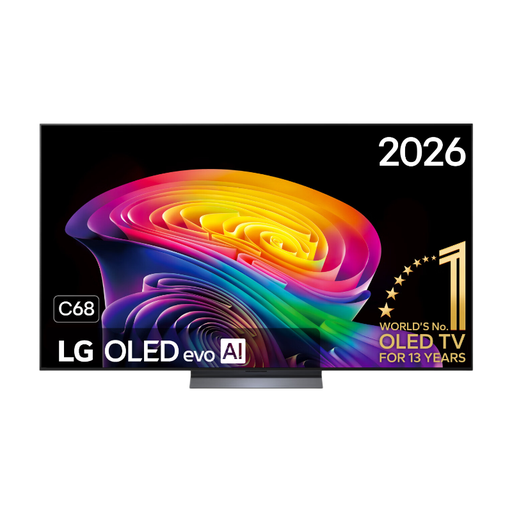 Image unavailable
This OLED variant is worth considering for dark film nights. See for yourself how the picture looks from the side and with any light sources in the room.
The product information lists 4K, AI Super Upscaling 4K and Filmmaker Mode. If possible, test the picture processing with the version of the film you want to watch.
Image unavailable
An OLED model to compare if black-and-white contrast is a key consideration; check the picture from your own seats separately.
The product information lists 4K, AI Super Upscaling 4K and Filmmaker Mode. These features are no substitute for testing with your own film source.
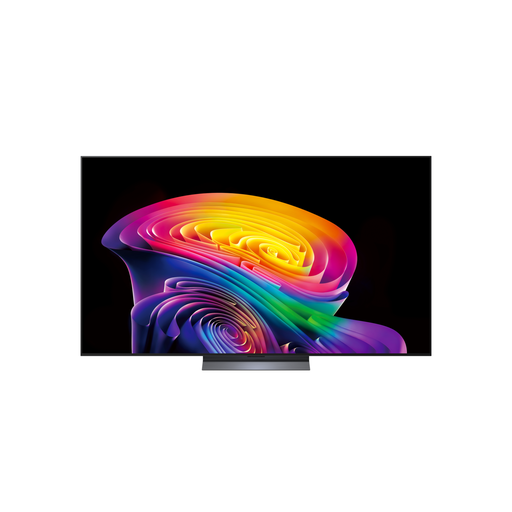 Image unavailable
This OLED model is worth comparing with other options for black-and-white films; check whether the picture meets your needs from your usual seat.
The product information lists 4K, AI Super Upscaling 4K and Filmmaker Mode. Compare the picture with your own film source and settings.
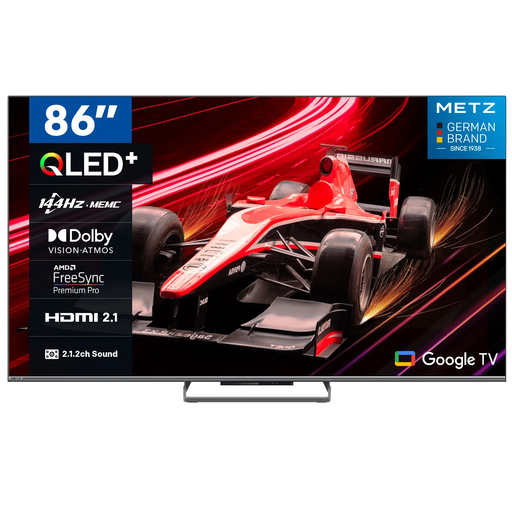 Image unavailable
A QLED model to include in your comparison; don’t assume it offers wide viewing angles based on the screen technology alone.
The product name lists 4K and 144 Hz. Assess the viewing angle, reflections and processing of your film source separately.
No, the best choice depends on the exact model and where you sit. RTINGS generally describes IPS panels as having wider viewing angles than VA panels, while VA panels generally offer higher native contrast. Also compare how reflections affect the picture in your room.
Not automatically: first check the intended playback speed of the film version. The British Film Institute explains that playback speed can vary between silent-film versions; then compare the settings with your own edition. Interpolation can make motion look smoother, but it can also add artefacts.
TVs are covered by the EU energy label for electronic displays, with a scale from A to G. The European Commission provides information about this label; compare the label and product information sheet for the exact model variant. The label rating doesn’t tell you how the TV performs in terms of viewing angle or picture quality.
No, the legal guarantee depends on what you can reasonably expect from the product. ACM ConsuWijzer explains that the seller is responsible; the period isn’t fixed at two years for every TV and depends, among other things, on the circumstances and the specific fault.
For online purchases in the Netherlands, there is generally a legal cooling-off period that ends 14 days after delivery. ACM ConsuWijzer explains the rules for unboxing, trying out and returning a product. The same right doesn’t automatically apply to an in-store purchase.