
Looking for silent films
You want to know where to find the films and whether you can watch them on your TV from your own device. Eye Film Museum describes silent films and ways to watch them in a browser, via HDMI and by casting.


Start with how you’ll watch the film: Eye Film Museum describes watching in a browser, connecting a computer via HDMI and casting to a TV. Only then choose a streamer, and check that the film you want works with your devices. 4K or HDR on a streamer won’t make a reflective TV screen any more suitable for a bright living room.
You want to know where to find the films and whether you can watch them on your TV from your own device. Eye Film Museum describes silent films and ways to watch them in a browser, via HDMI and by casting.
You often watch with plenty of light in the room and don’t want reflections to dominate the picture. Assess the TV and the light in the room separately from the streamer.
You want to add streaming options to your TV without replacing it straight away. Check the connections in advance and make sure your preferred way of watching the film works; smart TV apps can change or disappear.
Choose this if: your TV can already play the film, or you can connect a computer to your TV via HDMI.
Bear in mind: a computer and HDMI cable take up space, and apps on a smart TV can change.
Choose this if: you want to use the casting method described by Eye Film Museum from a compatible device, and you’re also looking for a TV interface.
Bear in mind: casting from compatible apps doesn’t automatically mean that every film, or a dedicated Eye app, will work on every model.
Choose this if: you want to use an HDMI stick and have checked in advance how the specific film will get from your device to your TV.
Bear in mind: check how the film will play and which exact generation you’re buying; don’t rely on the product family name alone.
Choose this if: you use Apple devices and have checked that the film you want plays using your chosen method.
Bear in mind: Apple says an HDMI cable is required separately. Your TV and source device must also support 4K and HDR.
| What to consider | What should you check? | Who is this important for? |
|---|---|---|
| Access to the film | Choose a specific film on Eye Film Player and check whether watching in a browser, via HDMI or by casting works with your devices. | If I want to watch a particular silent film, I want to know how it’ll play on my TV before I buy. Around 33% of consumers put access to the film source first. |
| Visibility in daylight | Check your own TV in the light conditions you usually watch in; assess anti-reflection claims for the exact TV model. | In bright daylight, I want to stop reflections from dominating the picture. Around 27% of consumers prioritise visibility in a bright living room. |
| Compatibility with your devices | Check for a free HDMI port, any cables you’ll need, and the connections and network options on the exact model. | I want to know whether the streamer will work with my TV and home network, and which connections I’ll need. Around 20% of consumers prioritise compatibility with their existing setup. |
| Total cost | Check whether your existing computer and TV will do the job, which accessories you’ll need and how much the film you choose costs. | If my computer or TV can already play the film, I don’t want to buy a device that adds little. Around 20% of consumers prioritise the total cost. |
4K and HDR labels describe the streamer, not how reflective your TV is. A streamer won’t change how daylight falls on the screen.
First, check your current TV in the light conditions you usually watch in. Then compare streamer features.
Eye Film Museum describes watching in a browser, connecting a computer via HDMI and casting. These options don’t prove that every streamer has a dedicated app for the service.
Before choosing a device, check that the specific film works all the way from the source device to your TV.
A family name can refer to different generations. A product with a similar name may therefore be a different model from the one you’re looking for.
Compare the full model name, generation and relevant specifications before you decide.
The Google TV Streamer (4K) is a TV box with casting features, for anyone who also wants to cast from a compatible device.
The TV Box S (3rd Gen) is a Google TV box that connects to a TV via HDMI.
The LEAP 41 (SRT41) is a compact Google TV stick with Google Cast.
Apple TV 4K is a TV box to consider if you use Apple devices and have checked how you’ll watch the film you want.
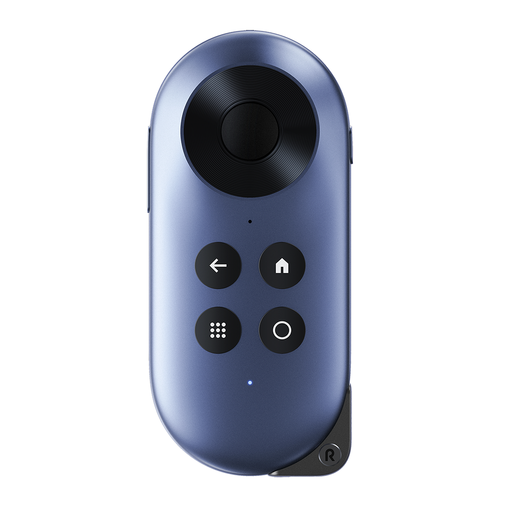
Below is a portable Android TV streaming device. Before buying, check that the Eye film you want works on your TV using your chosen method.
 No image available
A relevant option if you’re specifically looking for a portable Android TV device; check how the Eye film you want will play with your devices.
The product description mentions an Android TV interface for video and content streaming, a built-in 5000mAh battery and a remote control. The product name lists Rokid Max and Air series AR glasses as the intended use.
Not necessarily: Eye Film Museum describes watching in a browser, connecting a computer via HDMI and casting to a TV. Check which option works with your devices and the film you want.
For the Chromecast method described, Eye Film Museum recommends, among other things, connecting the sending device and Chromecast to the same Wi-Fi network. A computer connected via HDMI may be an alternative if your computer and TV support it.
Some titles are free; you’ll need an account to rent a film. Eye Film Museum says there are no recurring subscription fees and that films can be rented for 48 hours. Check the terms for the film you’ve chosen before paying.
Electrical equipment with Wi-Fi or Bluetooth that is placed on the market in the Netherlands must meet the relevant European requirements. According to Ondernemersplein, the manufacturer must apply a CE marking to a compliant device and draw up an EU declaration of conformity. ACM ConsuWijzer says that, for online product purchases, you generally have up to 14 days from delivery to change your mind; legal exceptions may apply.