
Vandaag of morgen in huis

Kwaliteit gegarandeerd

Welkomstaanbiedingen ontgrendelen: GRATIS bezorging | Tot 80% korting | Gratis 30 dagen JoyPlus-proefperiode
Download de app
Choosing a new freestanding fridge-freezer seems simple until you get tangled in a web of marketing jargon, energy labels, and features that sound better than they are. Many households invest in a new appliance, only to discover a few months later that it wasn't the right choice after all. Before you make a decision, it's crucial to understand the common pitfalls.
To avoid buyer's remorse, it's best to focus on a few key specifications that directly impact your daily use, energy bills, and food waste.
Since 2021, energy labels have become stricter. An energy-efficient fridge with energy class B is among the best on the market. However, don't get fixated on the letter alone. The most important figure on the label is the annual energy consumption, expressed in kWh/year. This number, multiplied by your electricity rate, reveals the true running cost. For example, a model like the Siemens KG49NXIBF consumes 142 kWh per year, a clear indicator of its efficiency.
To combat food waste, a fridge with a 0-degree zone is a valuable addition. In these drawers, often called 'hyperFresh' by Siemens, the temperature is kept consistently around freezing. This is ideal for keeping fish and meat fresh significantly longer without freezing them. For fruits and vegetables, a separate drawer with adjustable humidity is essential. This prevents leafy greens from wilting and fruit from becoming soft too quickly.
For those living in a home with an open-plan kitchen, a quiet fridge-freezer of 35dB or less is a breath of fresh air. This noise level is comparable to a whisper and blends into the ambient sound of a normal household. In terms of design, a Siemens fridge in stainless steel is a popular choice for its sleek appearance. Look for an anti-fingerprint coating; this saves a significant amount of cleaning and keeps the kitchen looking tidy.
Based on these criteria, we have highlighted several models that suit specific needs and situations.
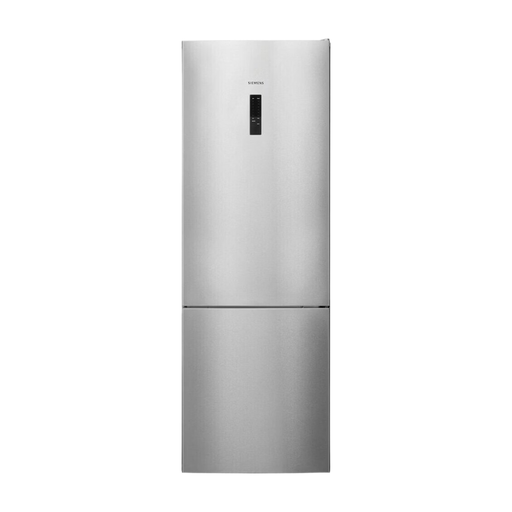
Why This Fits Their Persona: This model is ideal for those renovating their kitchen and seeking a durable, efficient, and quiet solution. It combines the latest technology with a practical size that fits most modern kitchens.
With a noise level of 35dB, this model is whisper-quiet and avoids the energy label trap with a very low annual consumption of 142 kWh. The hyperFresh 0°C drawers offer an advanced solution against the drying out of fresh food.
The combination of energy class B, a 70 cm width for extra space, and the specific 0-degree zone for meat and fish makes this a very comprehensive choice.
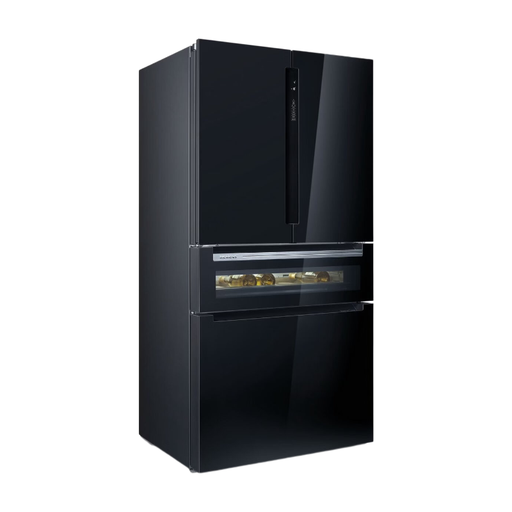
Why This Fits Their Persona: Perfect for large households that need ample storage and frequently entertain guests. The separate wine drawer and French Door design offer both functionality and a premium look.
This model is a great example of consciously choosing functionality over just the energy label. It offers specific solutions (wine cooling, vast space) that a standard model lacks, and at 39dB, it is still relatively quiet for its size.
The massive 572-litre capacity and the integrated wine climate drawer make this appliance unique. Control via the Home Connect app adds modern convenience.
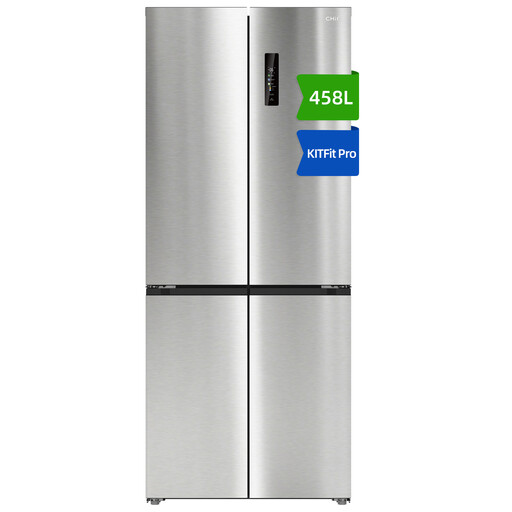
Why This Fits Their Persona: For those who want a sleek, integrated look without the cost of a true built-in appliance. The cross-door design and large capacity are ideal for modern kitchens and families who store a lot of fresh produce.
At 37dB, this model is quiet, and the special Care+ Space with three temperature settings demonstrates that its No Frost system is more advanced than standard versions, keeping food fresher for longer.
The KITFit Pro True Flush installation, which requires only 4 mm of side clearance, creates a seamless, built-in look. The flexible freshness zone is a practical bonus.
We have compiled a complete, up-to-date list of products that fully meet these strict selection criteria and EU regulations.
An older refrigerator (10+ years) often consumes around 300-350 kWh per year. A new, efficient model like the Siemens KG49NXIBF, at 142 kWh, uses less than half that amount. With an average electricity price of €0.30 per kWh, this can result in savings of over €50 per year.
Yes, you will never have to manually defrost the freezer compartment again. The No Frost system prevents ice build-up by continuously extracting moisture from the air. The only remaining maintenance is periodically cleaning the interior with a mild detergent, which applies to any refrigerator.
While the exact lifespan depends on use and maintenance, Siemens appliances are engineered for longevity. Consumer organisations and user experiences often point to a lifespan of 10 to 15 years for refrigerators of this calibre. Regularly checking and cleaning the door seals contributes to a longer and more efficient operation.
