
Vandaag of morgen in huis

Kwaliteit gegarandeerd

Welkomstaanbiedingen ontgrendelen: GRATIS bezorging | Tot 80% korting | Gratis 30 dagen JoyPlus-proefperiode
Download de app
A narrow hallway, a blank wall behind the sofa, or an entryway cluttered with shoes and keys. Sound familiar? A side table is often the solution. This versatile piece of furniture not only adds style but also provides practical storage in places where every inch counts.
As a Joybuy Product Recommendation Officer, I'm here to guide you. In this article, I'll break down the options and give you practical tips to find the right side table for your home. No marketing fluff—just clear information based on specifications and functionality.
Before you make a choice, it's helpful to consider a few key points. This ensures you buy a piece of furniture that truly suits you.
First, consider its primary use. Are you looking for a spot for your keys and mail? A simple model will suffice. If you need more storage, consider a side table with drawers to keep clutter out of sight. For an entryway, a dedicated hallway storage table with space for shoes can be a perfect solution. Function determines form.
A side table, also known as a console table, is typically long and narrow. Carefully measure your available space, including both width and depth. A narrow side table around 30 cm deep can fit into almost any hallway without obstructing the walkway. Height is also crucial. Behind a sofa, a table that is slightly lower than the backrest often looks best. A standard hall table has a height between 75 and 90 cm.
The side table should complement your existing decor. An industrial side table, with its combination of metal and robust wood, fits well in a bold, modern interior. Prefer a calmer, more uniform look? Then a black side table or one in another neutral colour is a safe and stylish choice. Pay attention to materials like steel, wood, and particleboard and how they match the rest of your furniture.
Based on functionality, material, and design, we have compiled a list of popular choices for you.
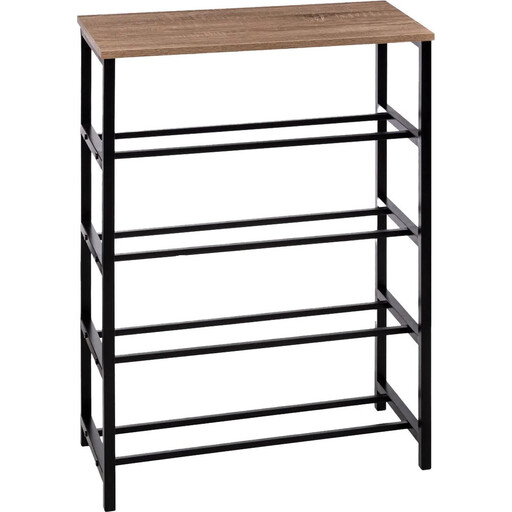
Why It Stands Out: This console table is a clever 2-in-1 solution designed specifically for the hallway. It combines a convenient tabletop with two tiers for shoe storage, instantly tidying up your entryway.
Key Features:
Who It's For? Ideal for anyone looking to tackle shoe clutter in the hallway without sacrificing a spot for keys or a decorative plant. A highly practical hallway storage table.
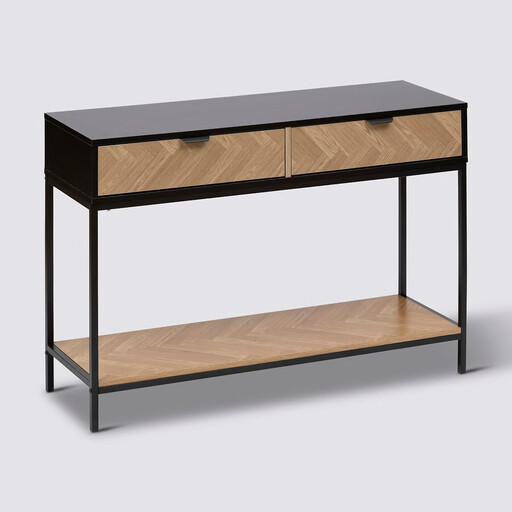
Why It Stands Out: The refined herringbone (chevron) pattern on the drawers gives this side table an elegant and luxurious feel. The combination of the pattern with the sleek steel frame makes it a true statement piece.
Key Features:
Who It's For? Perfect for those seeking a functional piece of furniture that also serves as a focal point in the living room, bedroom, or a wider hallway. A great choice if you're looking for a side table with drawers that combines style and function.
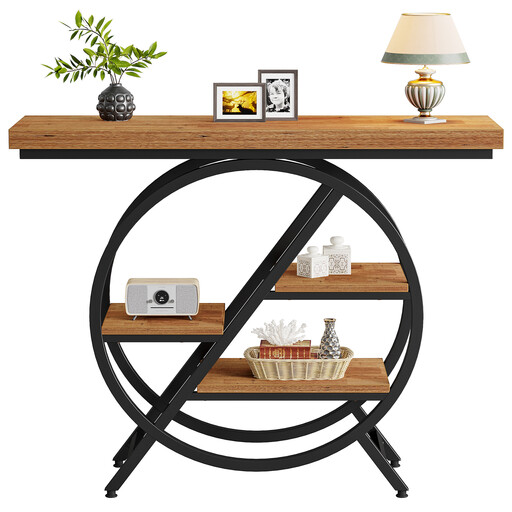
Why It Stands Out: This side table has a distinct industrial character, thanks to the combination of a thick wooden top and a geometric metal frame. The staggered shelves give it a unique, dynamic look.
Key Features:
Who It's For? An excellent option for fans of the industrial interior style who are looking for a sturdy and striking table. Ideal for displaying heavier items or a collection.
These three models offer a good overview of the possibilities, but the perfect side table is different for everyone. Perhaps you're looking for a different size, another colour, or a more minimalist design.
Explore our full range of sofa tables and discover more styles and sizes to suit your interior and needs.
1. What is the difference between a side table and a console table? The terms are often used interchangeably. Traditionally, a console table is a table placed against a wall and sometimes even mounted to it. A side table is a more general term for a narrow, tall table. In practice, they usually refer to the same thing: a multifunctional table for narrow spaces.
2. How high should a side table be? This depends on its placement. Behind a sofa, it's best if the table is slightly lower than the backrest. In a hallway, a height between 75 cm and 85 cm is common, providing a comfortable height for placing items.
3. Can I use a side table as a desk? A narrow side table is usually not deep enough to serve as a comfortable workspace. It might suffice for occasional laptop use, but if you plan to work at it daily, look for a model with a depth of at least 40-50 cm to ensure adequate legroom and workspace.
