
Vandaag of morgen in huis

Kwaliteit gegarandeerd

Welkomstaanbiedingen ontgrendelen: GRATIS bezorging | Tot 80% korting | Gratis 30 dagen JoyPlus-proefperiode
Download de app
A side table may seem like a simple purchase, but small differences can determine whether you enjoy using it every day. A table may look spacious in photos, yet in reality there may barely be room on the top for a lamp and a glass. Some models may also feel less stable on an uneven floor, or lack the storage space you need.
Look out for these three common pitfalls:
Start by measuring the available space. Allow for skirting boards, radiators, doors and walkways. A round side table takes up less visual space in a corner, while a rectangular model often provides a more usable surface.
These checks are useful for everyday use:
A console table serves a different purpose. Its shallow depth makes a model such as the 160 cm-wide, 30 cm-deep Tribesigns table a good fit for a hallway or behind a sofa. Measure the available wall space first and check that doors and walkways will remain clear.
Your choice of material affects the weight, upkeep and stability of a table. Chipboard is generally a practical choice for affordable living room and bedroom furniture, but the quality of the finish and construction is still important. Steel legs can provide extra support, while a fabric basket is lightweight and flexible.
Look out for these points:
An FSC statement can provide information about the origin of the wood-based material used. It doesn’t automatically mean that every part of the furniture has the same origin, so check the full product specifications.
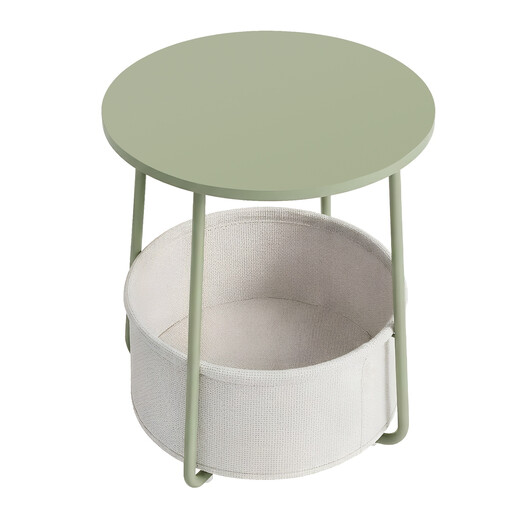
Why it suits this profile: A compact option for anyone looking for an affordable table with extra storage for the living room or bedroom.
Its 45 x 50 cm dimensions and round shape make it easy to see how much space it needs. The adjustable feet help compensate for small uneven patches in the floor.
Fabric basket, U-shaped steel legs, adjustable feet and a stated table-top load of 35 kg.

Why it suits this profile: A good choice for the bedroom if you want to keep personal belongings out of sight and value a well-organised layout.
The two drawers provide enclosed storage rather than just an open shelf. The stated dimensions are 38 x 48 x 50 cm.
Steel drawer runners, a soft-close mechanism, an FSC statement and a stated maximum load of 80 kg.
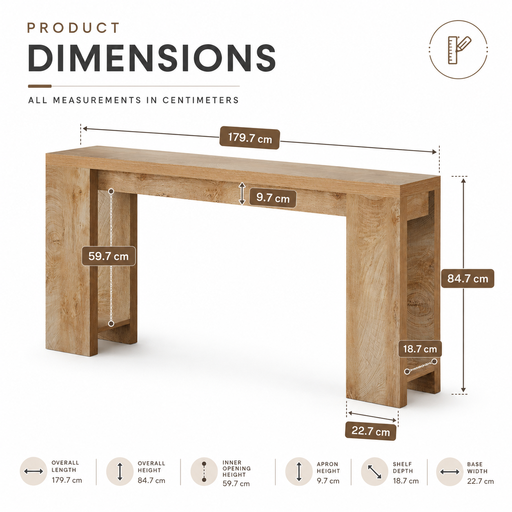
Why it suits this profile: Ideal for a long hallway, a wall behind the sofa or a wide display area for decorative items.
Its 30 cm depth is clearly stated, so you can check in advance whether there’ll still be enough room to pass.
160 cm wide, with a rustic look, E1 chipboard according to the product description and a stated load capacity of 136 kg.
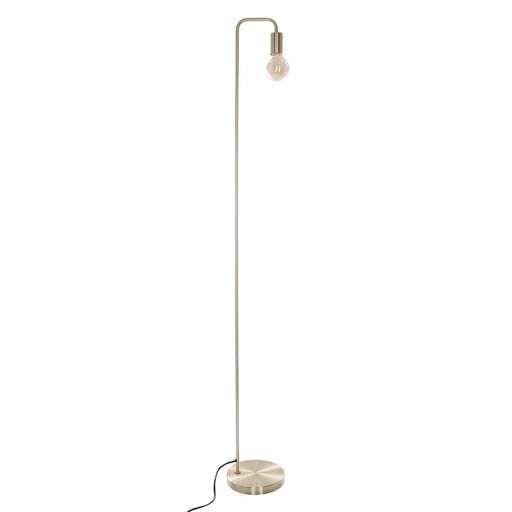
Why it suits this profile: An additional option for anyone looking to pair compact furniture with a striking light feature.
The fitting, maximum wattage and fact that it’s supplied without a bulb are clearly stated. That means you can buy the right bulb in advance.
150 cm high, E27 fitting, 2-metre cable, an on/off switch on the cable and suitable for indoor use.
We’ve put together a complete, up-to-date list of products that meet these strict selection criteria and the applicable European safety requirements.
Measure the height of the armrest and choose a table top that’s about the same height or slightly lower. This makes it easy to reach for a glass, book or remote control without having to adjust your position each time.
A side table with a basket is ideal for larger, soft items such as a throw. A bedside table with drawers is better for smaller items that you want to keep out of sight and neatly organised. If you’re choosing drawers, check the internal dimensions and the type of runner.
Place heavier items low down and spread the weight across the top. Check whether the legs are adjustable. If the model comes with a specific warning, as with the vidaXL bedside table, use the recommended wall fixings.
