
Vandaag of morgen in huis

Kwaliteit gegarandeerd

Welkomstaanbiedingen ontgrendelen: GRATIS bezorging | Tot 80% korting | Gratis 30 dagen JoyPlus-proefperiode
Download de app
A side table seems like a simple purchase, until you end up with one that wobbles, scratches, or simply doesn't fit after three months. Many models look great online but hide design flaws that cause frustration in practice. Before you invest in a new piece of furniture, it's smart to know what to look for. We'll cover the most common pitfalls and the specifications that truly matter.
A low price is tempting, but it can indicate compromises that affect usability and lifespan. These are the three most common problems:
To avoid buyer's remorse, focus on a few verifiable specifications. These determine the quality and usability, regardless of marketing claims.
The frame is the backbone of your table. A metal frame, preferably with a powder coating, offers good protection against rust and scratches. This is a common feature of an industrial side table and ensures a long lifespan. For wooden tables, it's important to look at the core. E1 grade particleboard is a European standard that sets requirements for density and formaldehyde emissions, which is often an indication of better quality.
Always check the maximum load capacity specified by the manufacturer. This gives a good indication of its sturdiness. A load capacity of 10-15 kg is usually sufficient for a lamp, a few books, and a drink. Look for models with adjustable feet. These allow you to level the table on uneven floors, which immediately solves any wobbling.
Think about how you will use the table. Do you need extra storage? A side table with storage, such as shelves or a basket, is ideal for keeping remote controls, magazines, or a charger out of sight. If you also want to use the table as a bedside table, a model with multiple tiers is extra practical. For those who frequently rearrange their layout, a small coffee table or a lightweight side table is a flexible solution.
Below are some options that score well on the above specifications, tailored to different living preferences.
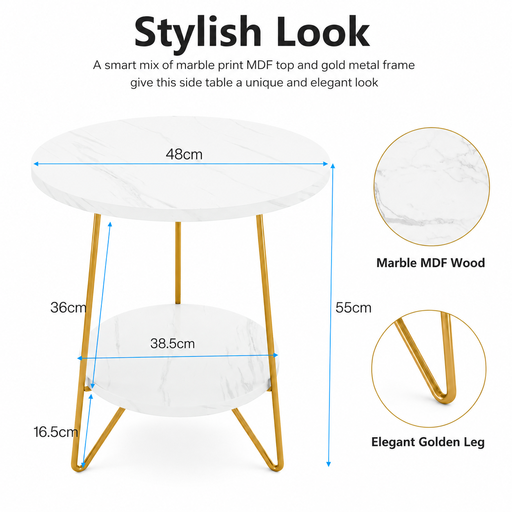
Why This Fits Their Persona: Perfect for those seeking a modern, luxurious look without the premium price tag. The combination of white faux marble and a gold-coloured frame fits well in a contemporary interior and is compact enough for a first apartment.
The powder-coated metal frame is designed for sturdiness and rust resistance. The two tiers provide functional storage, making it more than just a pretty object.
Modern look with a combination of faux marble and a gold finish. Compact and functional with two storage tiers.
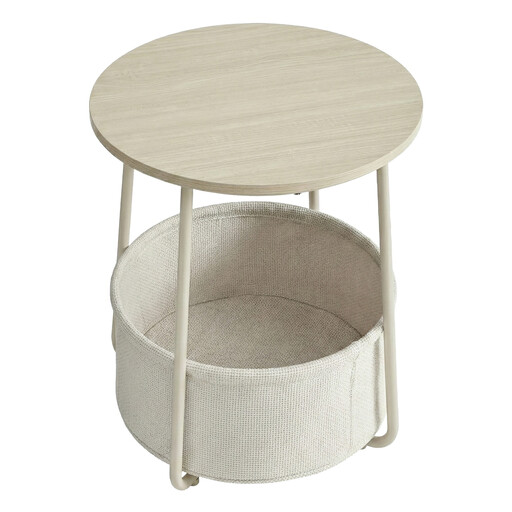
Why This Fits Their Persona: Ideal for those who value functionality and a tidy home. The fabric basket offers smart, hidden storage. Its minimalist design and compact dimensions make it perfect for smaller spaces.
The U-shaped steel legs form a single unit, providing a stable base. The four adjustable feet prevent wobbling on uneven floors and protect the floor from scratches.
Integrated storage basket made of double-layered polyester. Sturdy construction with adjustable feet for stability.
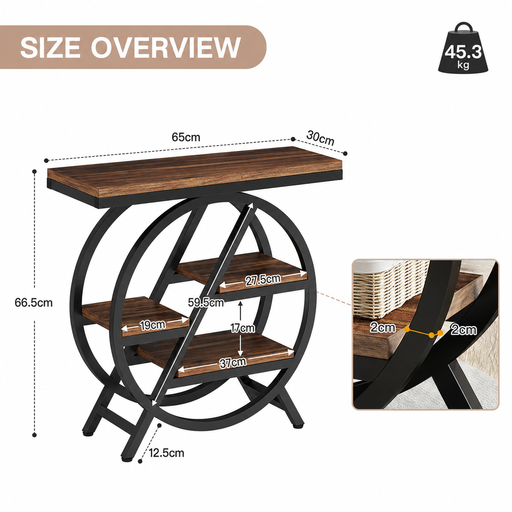
Why This Fits Their Persona: For those who want to utilise every square inch. This industrial side table offers maximum storage on a small footprint with its three shelves. Ideal as a bedside table or next to a sofa where many items need a home.
The combination of a heavy-duty metal frame and 1.5 cm thick E1 grade particleboard ensures a robust construction with a load capacity of up to 13.6 kg. The adjustable feet guarantee stability.
Three tiers for maximum vertical storage. Sturdy, industrial construction and a scratch-resistant, water-repellent veneer.
We have compiled a complete, up-to-date list of products that fully meet these strict selection criteria and comply with current safety regulations.
A good rule of thumb is that the height of the side table should be roughly equal to the height of your sofa's armrest, or just slightly lower. This ensures you can easily place things on it or grab them without having to reach uncomfortably. Measure the height of your armrest before making a choice.
The main difference is function and placement. A coffee table is typically larger and lower, and is placed centrally in the seating area. A side table is smaller, often taller, and stands next to a sofa or chair. A small coffee table can sometimes serve the function of a large side table, depending on your room's layout.
This varies greatly by model. A light, decorative table might only support 5 kg, while a sturdy industrial side table with a metal frame can often handle 15 kg or more. The manufacturer usually lists the maximum load capacity in the product specifications. Always check this if you plan to place heavier objects on it, such as a large plant pot or a stack of books.
