
Vandaag of morgen in huis

Kwaliteit gegarandeerd

Welkomstaanbiedingen ontgrendelen: GRATIS bezorging | Tot 80% korting | Gratis 30 dagen JoyPlus-proefperiode
Download de app
A side table might seem like a simple purchase, but the reality is often different. You find a model that looks perfect online, but once it's home, it wobbles, the top gets damaged after just a few weeks, or the storage space turns out to be completely impractical. Many furniture pieces are designed for the showroom, not for the rigours of daily life in your home.
Before you make a decision, it's wise to recognise the most common pitfalls:
By paying attention to a few key points, you can choose a model that is both stylish and durable.
A good purchase starts with understanding the specifications. Don't be misled by marketing terms; look at the facts.
The choice of material determines the durability and maintenance of your side table.
A stable table is a safe table. The construction is the most important factor here.
"Side table" is a collective term for various small tables, each with its own function.
Based on objective product features, we have selected a number of options that suit different needs and interiors.
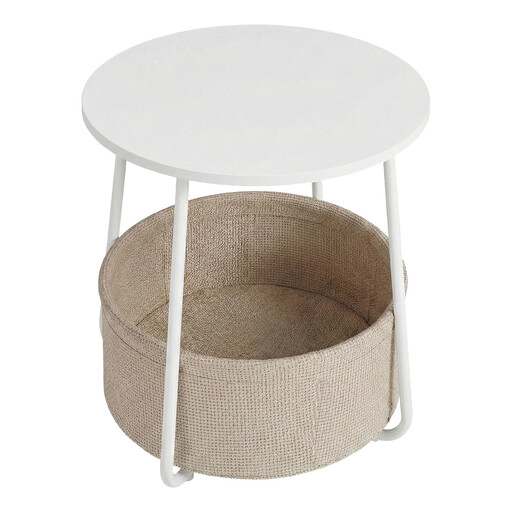
Why This Fits Their Persona: Perfect for a compact flat or student room. This table combines a modern, round shape with a clever storage basket, offering style and function without taking up much floor space.
The U-shaped steel legs and adjustable feet tackle the stability problem. The fabric basket is a spacious, practical storage solution instead of a uselessly small drawer.
Compact size (45 cm diameter) and a convenient, durable polyester storage basket. Simple assembly.
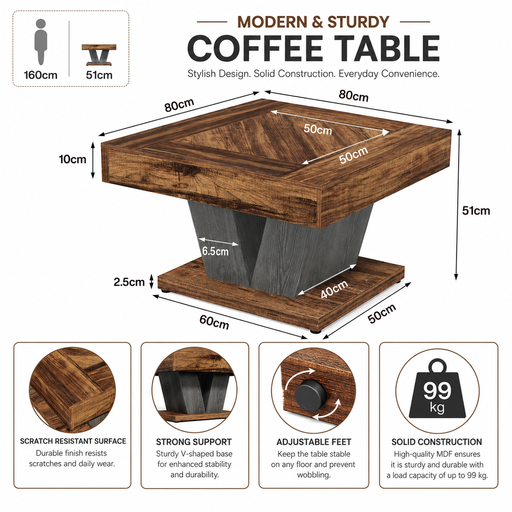
Why This Fits Their Persona: For those who want to make a statement with an industrial or rustic coffee table without paying a premium. The 80x80 cm square design provides a spacious surface for a cosy seating area.
The description mentions a thickened MDF tabletop and a wooden frame with a load capacity of up to 100 kg. This indicates a robust construction that avoids the pitfall of a wobbly table.
Large tabletop surface (80x80 cm) and a sturdy, cross-braced frame. Adjustable foot pads protect the floor and ensure stability.
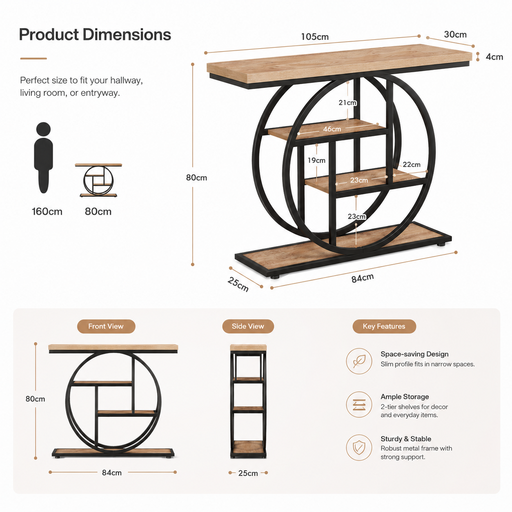
Why This Fits Their Persona: Ideal as a side table in the hall, corridor, or behind the sofa. With its four tiers, this narrow, long model offers plenty of functional storage and display space where every inch counts.
The 4 cm thick tabletop and metal frame provide reliable support. The four staggered shelves offer genuinely usable storage space, unlike furniture with purely decorative shelves.
Four functional storage tiers and a slim design (30 cm deep). The unique circular element in the frame gives it a distinctive industrial look.
We have compiled a complete, up-to-date list of products that meet these selection criteria and comply with current standards.
How high should a side table be next to a sofa? A good rule of thumb is that the height of the side table should be roughly the same as the height of your sofa's armrest. This creates a balanced look and makes it easy to grab items without having to reach. A deviation of a few centimetres up or down is not a problem.
What is the difference between a side table and a console table? The terms are often used interchangeably, and there is a lot of overlap. Traditionally, a console table is a decorative table that stands against a wall, often in a hall or entryway. A side table is a more general term for a table that stands at the side of a piece of furniture (like a sofa). In practice, both terms refer to narrow, multifunctional tables.
How do I maintain a particleboard side table with a wood-look veneer? The most important thing is to avoid moisture. Always use coasters for glasses and wipe the table dry immediately if anything is spilled. For cleaning, use a soft, slightly damp cloth and avoid aggressive cleaning agents. These can damage the protective top layer.
