
Livraison le jour même et le lendemain

Qualité garantie

Débloquez vos offres de bienvenue: Livraison GRATUITE | Jusqu'à -80 % | 30 jours d'essai gratuits à JoyPlus
Téléchargez l'application
Fancy a quick bowl of noodles with chilli oil, vinegar and the distinctive tingle of Sichuan pepper? Sichuan noodles are a practical choice for a weekday lunch, late-night snack or meal with extra toppings. However, the range of Chinese instant noodles can be confusing. Flavours such as mala, Dan Dan, Chongqing, hot & sour and red oil may seem similar, but they differ in preparation, texture and ingredients.
The packaging does not always tell the full story, either. So before buying Chinese noodles, watch out for the following common pitfalls.
A product containing chilli may taste hot, but mala also refers to the slightly numbing or tingling effect of Sichuan pepper. So check the ingredients list for Sichuan pepper, as well as chilli or chilli oil. If you are mainly looking for a sour flavour, it is better to choose a variety with a separate sachet of vinegar.
Bulk packs may seem good value, but dried noodles without sauce often require additional ingredients. A multipack with separate sauce and seasoning sachets is more convenient when you want to eat quickly. Also check the best-before date, portion size and storage instructions.
Some broad noodles only need to be soaked in boiling water for 5 to 6 minutes. Other Dan Dan noodles need to be cooked in a pan. With ready-to-eat cold noodles, you add the sauce straight away. Using the wrong preparation method can result in noodles that are too firm, a watery sauce or an overpowering flavour.
Broad noodles often hold on to relatively large amounts of sauce and have a firm, springy bite. This makes them well suited to noodles with chilli oil or red oil. Thin, round noodles work well for Dan Dan noodles and mix easily with sesame sauce, minced meat or spring onions.
Also pay attention to the base ingredients:
Check which sachets are included. A product containing chilli oil, vinegar, sesame paste and Sichuan pepper gives you more flexibility to adjust the flavour than a single sachet of seasoning powder.
Use the following guide:
According to the brands’ own product information, flavours and ingredients may vary between varieties. Always check the current packaging.
Chinese instant noodles often contain wheat, soya, sesame or peanuts. Some products also contain mustard or barley. If you have allergies, it is best to read the full ingredients list rather than relying only on the front of the packaging.
Also check the salt content per 100 grams and per portion. Nutritional information may be stated with or without the sauce included, making comparisons less straightforward. However, a product with several sachets allows you to use less chilli oil or seasoning powder, for example.
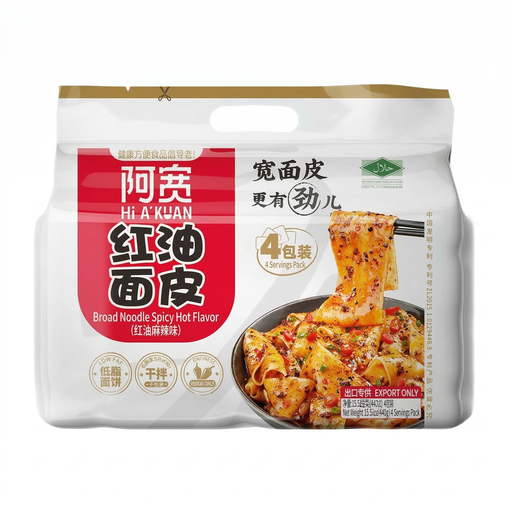
Why it suits this profile: According to the product instructions, the broad noodles are soaked in boiling water for 5 to 6 minutes. You then add the included sauce and seasonings. This makes the pack easy to use when trying spicy noodles for the first time.
The preparation steps and sauce sachets are described separately, so you do not have to guess how much seasoning to use.
Broad wheat noodles, red oil sauce and preparation without a hob; contains wheat and soya.
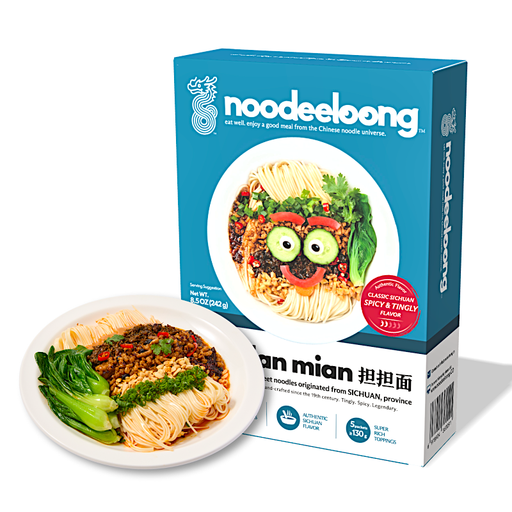
Why it suits this profile: According to the product description, this Dan Dan variety combines sesame paste, chilli oil and Sichuan pepper. Cook the noodles for 4 to 5 minutes, then mix the sauce with a little cooking water to create a thicker coating.
The instructions clearly state how much cooking water to add to the sauce. This helps you avoid a sauce that is either too dry or too watery.
Sesame paste and chilli oil in separate sachets; ideal for finishing with spring onions or peanuts. Contains wheat and sesame.
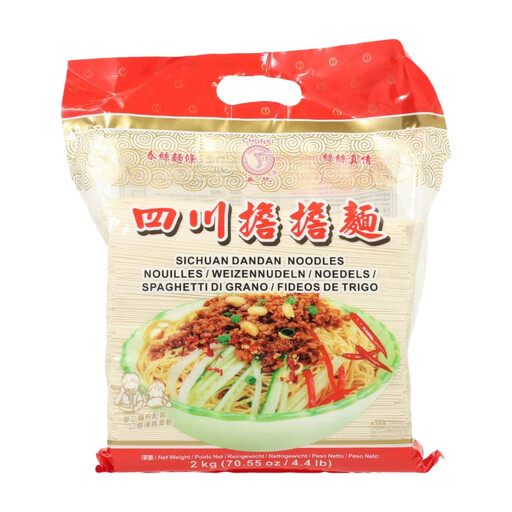
Why it suits this profile: This large pack contains dry wheat noodles without a complete sauce. It is suited to home cooks, families and regular noodle eaters who want to control the amounts of Dan Dan sauce, chilli oil, vinegar and toppings themselves.
The packaging makes it clear that these are noodles rather than a complete instant meal. You are therefore buying only what you need for several recipes.
2 kg of dry noodles, suitable for Dan Dan dishes, stir-fries, soup and cold noodle salads; contains wheat.
We have put together a complete, up-to-date list of products that fully meet these strict selection criteria and the applicable European safety regulations.
It varies from product to product. According to the instructions, broad A’Kuan noodles are soaked in boiling water for around 5 to 6 minutes, then drained. Other Chinese instant noodles need to be boiled for 3 to 5 minutes. Only add the sauce and seasonings as directed on the packaging.
Dan Dan noodles are often mixed dry with sesame sauce, chilli oil and Sichuan pepper. Chongqing noodles are usually served with a spicy broth or sauce. The exact ingredients vary by brand, so check the sachets and ingredients list.
Unopened dried or instant noodles can be kept until the best-before date on the packaging, provided they are stored in a cool, dry place. Once opened or prepared, they should be eaten immediately according to the product instructions. This particularly applies to noodles with sauce, oil or fresh toppings.
