
Vandaag of morgen in huis

Kwaliteit gegarandeerd

Welkomstaanbiedingen ontgrendelen: GRATIS bezorging | Tot 80% korting | Gratis 30 dagen JoyPlus-proefperiode
Download de app
Spicy instant noodles are a convenient option for a quick Asian meal, but the packaging doesn’t always tell the whole story. Products labelled “mala”, “red oil” or “Sichuan” can vary considerably in heat, texture, portion size and preparation time. A tempting multipack may also be less practical if you only eat noodles occasionally.
This buying guide helps you compare Chinese instant noodles, Asian noodles and instant ramen using verifiable product information. That way, you can make a more informed choice between wide wheat noodles, udon noodles, chilli oil noodles and varieties with sesame or sweet and sour sauce.
“Mala” generally refers to a combination of spiciness and the tingling, numbing sensation of Sichuan pepper. So not every product containing chilli is a mala noodle. Check the ingredients list for Sichuan pepper, Chinese prickly ash or rattan pepper. If it only lists chilli or chilli powder, the emphasis is probably on heat.
The actual flavour can also vary from person to person. If you’re unsure, start by using only some of the oil or seasoning sachet.
Wide noodles can have a firm bite, while thinner noodles soften more quickly. Preparation methods also vary:
Always check the cooking time. For the products mentioned here, it ranges from around two to six minutes.
A pack with four, eight or even twenty portions may work out cheaper per portion, but consider shelf life, storage and portion size. A single 100 to 115 g bowl is suitable as a quick snack or lunch. A multipack makes more sense if you eat instant noodles regularly or want to stock up on several flavours.
Don’t just look for “spicy”. With red oil noodles, chilli oil, vinegar, sesame paste, soy sauce and Sichuan pepper can all contribute to the flavour profile. Separate sachets give you more control: you can use less oil, add extra vinegar or adjust the amount of sesame to taste.
For example, the A Kuan Red Oil Noodles Spicy and Sour Flavor set includes oil, seasoning powder and a vinegar sachet, among other things. According to the product description, the oil contains Chinese prickly ash and sesame. This makes it an interesting option if you’re looking for tang and a tingling spice alongside the heat.
Wide rice and wheat noodles often hold plenty of sauce. The wide varieties among the products mentioned here are mainly made from wheat flour. If you’re looking for a gluten-free product, check the allergen information carefully; the examples described here often contain wheat or gluten.
Udon noodles are thicker and more elastic. According to the product information, Yi Wan Wu Dong is made with wheat flour, wheat gluten and modified starch. It’s a good fit if you like a firm, chewy texture. For a finer texture, choose thinner instant ramen or vermicelli.
Compare nutritional values per portion, not just per 100 g. A 110 g portion and a 257 g pack aren’t directly comparable. Pay particular attention to:
Always check the current packaging for ingredients, allergens, nutritional values and shelf life.
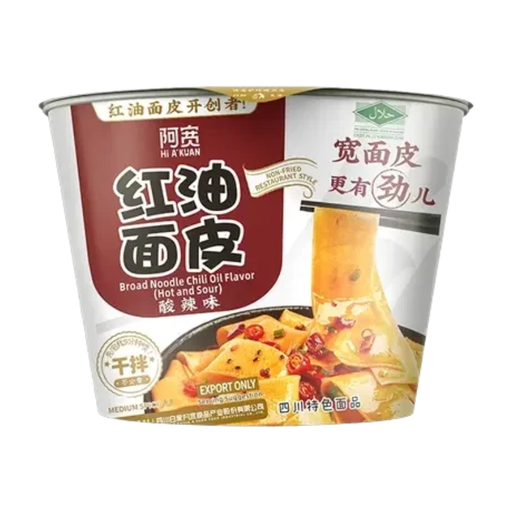
Why it suits this profile: The single bowl is a straightforward option if you’re trying red oil noodles for the first time and don’t want to buy a large stock.
The sauce, oil and vinegar are packed separately, so you can adjust the heat and tang gradually.
A 115 g bowl with wide noodles, prepared using just boiling water.
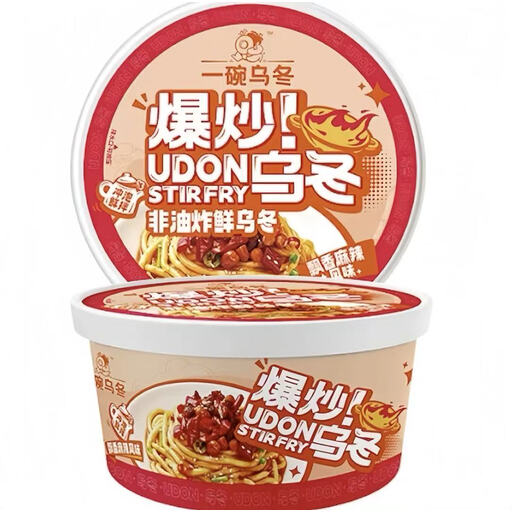
Why it suits this profile: The 257 g pack and thick udon noodles are a good choice if you want a more substantial meal with a firm bite.
The packaging lists separate sachets for the sauce, oil and sesame, so you don’t have to add all the flavourings at once.
Udon made with wheat flour and wheat gluten, with sesame, soy sauce and rattan pepper oil according to the product information.
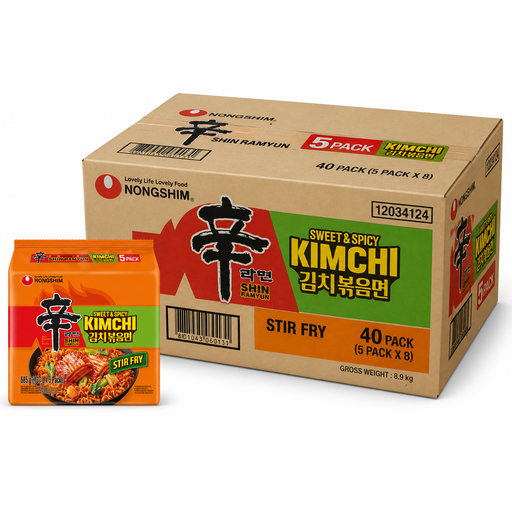
Why it suits this profile: The box of 40 portions is designed for frequent users, sharing or keeping a well-stocked cupboard.
The preparation instructions specify 500 ml of water and a cooking time of three minutes, making portions and preparation easy to plan.
137g per portion, kimchi seasoning and a stir-fry preparation method after draining; according to the product information, it contains wheat, sesame and soya.
We’ve put together a complete, up-to-date list of products that meet these strict selection criteria and the applicable European safety requirements.
Read the instructions on the packaging before you start. With dried noodles and chilli oil, draining them thoroughly is important: any water left behind will dilute the sauce. You can add the oil a little at a time. With udon noodles, a quick stir-fry can help distribute the sauce and oil evenly.
Store unopened products in a cool, dry place away from direct sunlight, as directed on the packaging. After buying, check the best-before date and follow the allergen information. It’s best to prepare and eat an opened portion straight away.
Start by using only some of the chilli oil or seasoning powder. Add extra noodles, vegetables or an egg to spread the flavour across a larger quantity. If the product has a separate vinegar sachet, you can adjust the tanginess independently.
Red oil noodles are often drained after boiling or soaking, then mixed with oil, sauce and seasoning. Instant ramen is usually eaten as a soup with water, although stir-fry varieties are also available. Check the packaging for terms such as “stir-fry”, “dry noodles” or instructions for making soup.
Shelf life varies by brand and product. Check the best-before date on the packaging and store the noodles as directed. With multipacks, it’s a good idea to use the oldest pack first.
