
Vandaag of morgen in huis

Kwaliteit gegarandeerd

Welkomstaanbiedingen ontgrendelen: GRATIS bezorging | Tot 80% korting | Gratis 30 dagen JoyPlus-proefperiode
Download de app
Craving a quick bowl of Sichuan instant noodles, but unsure which format suits you best? The selection ranges from broad noodles with chilli oil to Dan Dan noodles, Chongqing noodles and hot-and-sour noodles. The differences are not limited to flavour. Preparation method, texture, serving size, allergens and salt content also determine whether a product fits your needs.
As a Joybuy Product Recommendation Officer, I assess product information based on verifiable features. This helps you avoid choosing solely because of eye-catching packaging or claims of “authentic” flavour.
Labels such as spicy or mala do not follow a fixed scale. Some products include a separate sachet of chilli oil, allowing you to adjust the intensity. In others, the oil is already combined with the sauce. Check whether all sachets are required and whether you can set some aside for a milder portion.
Mala noodles contain Sichuan pepper alongside chilli. This creates a tingling or numbing sensation in the mouth. It is different from pure heat.
A 2 kg bag may seem ideal for stocking up, but it often contains only dry noodles. You will need to add your own sauce, sesame paste, chilli oil, vegetables or egg. A multipack with individual flavour sachets is ready to prepare, but may cost more per serving.
Compare the price per serving, rather than looking only at the total weight. Also check the best-before date and how much storage space you have in your kitchen cupboard.
Broad noodles generally hold more sauce and have a firm, elastic bite. Thin noodles often cook faster and pair well with a homemade Dan Dan sauce. Product descriptions may use terms such as “chewy” or “smooth”, but always check the type of starch or flour used and the recommended preparation time.
Review the ingredients list. Wheat flour is the base of many Chinese instant noodles. Some broad noodles also contain potato, sweet potato, tapioca or cassava starch. This can affect the noodles’ elasticity and mouthfeel.
Preparation time is important if you prefer a firm texture. Cook or soak the noodles according to the instructions on the pack, and taste them shortly before the stated time is up. Soaking them for too long can result in a softer texture, especially with broad noodles.
Not every instant noodle meal is prepared in the same way:
Use plenty of boiling water and drain the noodles thoroughly after soaking. Any water left behind will dilute the sauce and alter the flavour.
Compare the nutritional values per 100 grams and per pack. Based on the product information provided, salt levels vary between the different options. For example, Baijia A'KUAN Broad Noodle lists 4.5 grams of salt per 100 grams, while Jing Xing Sichuan Dan Dan Noodles lists 1 gram. The total amount in a complete serving with sauce may differ.
If you have allergies, always check the current label. Many products contain wheat, soy and sesame. Some varieties also list mustard or peanuts. The product information on this page is intended as a guide; the packaging remains the definitive source.
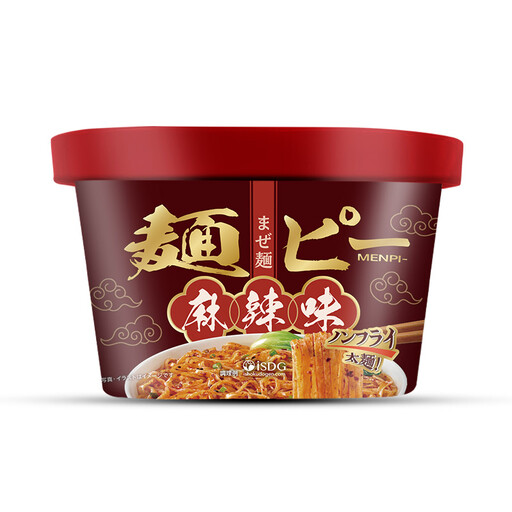
Why This Fits Their Persona: A single serving in a convenient box, ready in around 3 minutes. Ideal for a quick lunch at home or in the office.
The sauce, seasonings and vinegar come in separate sachets, so you can build the flavour and heat gradually.
100 grams per pack; soak in boiling water and drain through the lid.
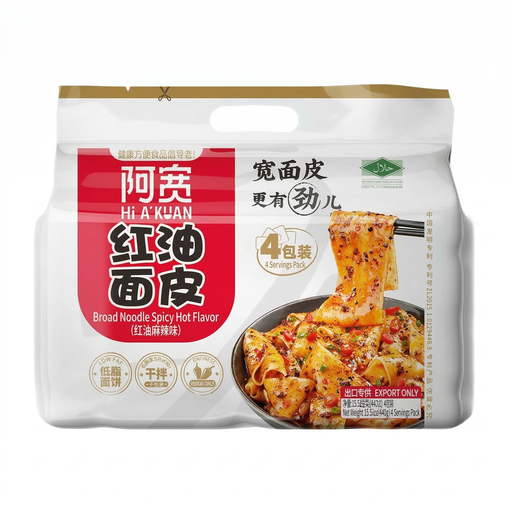
Why This Fits Their Persona: The broad, substantial noodles are ideal for anyone who values texture and a generous amount of sauce across multiple meals.
The preparation instructions specify a soaking time of 5–6 minutes, so there is no need to guess at a short cooking time.
440-gram pack; broad noodles with separate sauce and seasoning components.
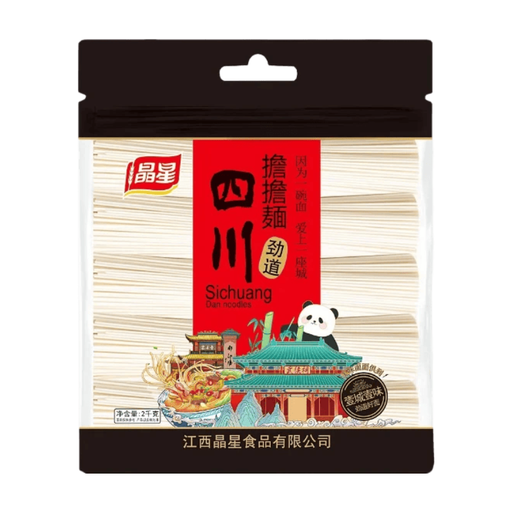
Why This Fits Their Persona: A large bag suits households that regularly prepare Asian noodles or prefer to create their own sauces.
The packaging clearly states that the base consists only of wheat flour and salt. You are not paying for multiple ready-made sauce sachets.
2 kg of dry noodles; cooking time of approximately 4–6 minutes; suitable for homemade Dan Dan sauce, soup or stir-fries.
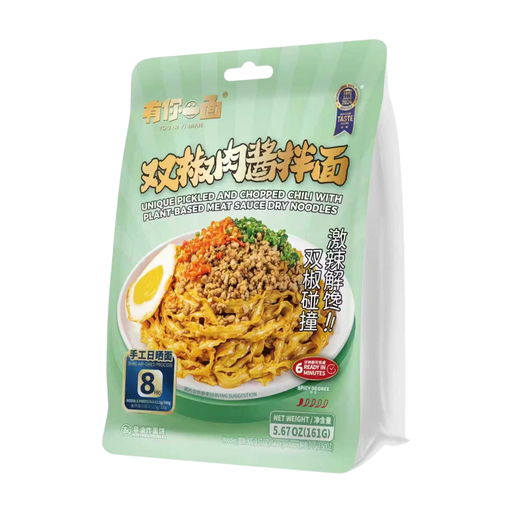
Why This Fits Their Persona: An intriguing option for anyone who enjoys layering flavours: pickled chilli, rattan pepper oil, sauce and plant-based meat sauce.
The five separate sachets make it clear where the flavour comes from. You can adjust the amount of oil and chilli to taste.
161 grams per pack; wheat flour makes up 97.9% of the noodle base; includes a plant-based sauce component.
You can enhance a serving with pak choi, spring onion, a boiled egg, tofu or peanuts. Add fresh ingredients only after draining the noodles, so the sauce does not become too watery. With Dan Dan noodles, a small amount of cooking water works well for loosening sesame paste and chilli oil.
Take care if you have a peanut, soy or sesame allergy. Toppings added to the dish may introduce further allergens. Store opened dry noodles in a tightly sealed container and follow the storage instructions on the label.
Browse a current selection of spicy Sichuan noodles with chilli oil and compare flavour, pack size, texture and preparation method.
Follow the instructions on the packaging. In most cases, you boil or soak the noodles in boiling water for several minutes, drain them thoroughly and then mix in the sauce sachets. Add the chilli oil gradually if you want to adjust the heat.
Unopened products should generally be stored in a cool, dry place away from direct sunlight. The exact shelf life is stated on the packaging. An opened serving containing sauce should be prepared and eaten immediately, according to the product information provided.
That depends on the serving size and your household’s tolerance for spicy food. A single 100–115 gram bowl is primarily suitable for one person. A 2 kg pack of dry Dan Dan noodles offers greater flexibility, as you can adjust the sauce and amount of chilli oil for each person.
