
Same-day & Next-day Delivery

Quality Guaranteed

Unlock Your Welcome Offers: FREE Delivery | Up to 80% OFF | Free 30-day JoyPlus trial
Download the APP
When you’re looking for Sichuan instant noodles, you’ll quickly spot packets promising “authentic”, “street food” and “extra spicy”. But the packaging doesn’t always tell you enough about the noodle texture, preparation method or portion size. Some varieties are ready in a bowl after a few minutes; others need to be cooked in a pan. The sauces also vary widely – from dry noodles with chilli oil to a sour broth with beef flavour.
As a Joybuy Product Recommendation Officer, I’ve filtered the key product information in a practical way. This means you can compare Chinese instant noodles based on verifiable specifications rather than just marketing claims.
Sichuan cuisine often revolves around the combination of chilli and Sichuan pepper. Chilli provides heat, while Sichuan pepper can give a tingling or numbing sensation in the mouth, according to product descriptions. Not every packet contains both ingredients in the same quantity.
So check the ingredients list for chilli, chilli oil and Sichuan pepper. With Dan Dan noodles, sesame paste can also add a creamy, nutty flavour. If you’re after a sour taste, look instead for a variety with vinegar, pickled mustard or citric acid in the seasonings.
A 2 kg bag might look appealing for families or home cooks, but it’s only good value if you use the noodles regularly and can seal them properly. Dry noodles often also need a separate sauce, broth or toppings. A smaller Chinese noodle set with all the sachets included can actually be simpler in practice.
Pay attention to the difference between:
Some spicy Chinese noodles are soaked in boiling water. Others need to be boiled in a pan for 3 to 8 minutes. With a soup variety, the seasonings sometimes need to be mixed with 300 to 600 ml of hot water.
Read the preparation instructions before you buy. A product for the office is more practical if it only needs to steep. For a meal at home, a boil-in-the-pan variety with firmer noodles can offer better texture.
Wide noodles generally have a larger surface area for sauce to cling to. That works well with dry noodles with chilli oil or Dan Dan sauce. Round, thinner noodles are suitable for soup, stir-fries and hotpot.
Also look at the cooking time. A product with a 4 to 5 minute cooking time requires a bit more preparation than a variety that can steep in a covered bowl for 5 to 6 minutes. The product description for Baijia A’KUAN Broad Noodle Spicy Hot Flavor, for example, mentions wide, firm noodles and a preparation time of 5 to 6 minutes with boiling water.
A complete packet can include a sauce sachet, chilli oil, seasoning powder, dried vegetables, sesame or peanuts. That’s handy when you want to prepare a bowl without any extra shopping.
Do check the allergens. Among the available products, you’ll find wheat, soya, sesame, peanut, egg, milk, fish, celery, mustard and sulphites. The ingredients and allergens on the packet are what you should rely on, especially as the recipe can change.
Compare nutritional values per 100 grams, but also look at the total portion. A 242 g packet can contain significantly more nutrients per serving than a 100 g bag. Noodeeloong Sichuan Dan Dan Noodles, for instance, lists 983 kcal and 6.05 g of salt per 242 g serving, according to the product information provided.
These figures aren’t a judgement on the product, but they help you make an informed choice. If you want a smaller meal, you can choose a bag of around 100 to 125 g. For a hearty meal or multiple people, five-packs and bulk packs are more practical.
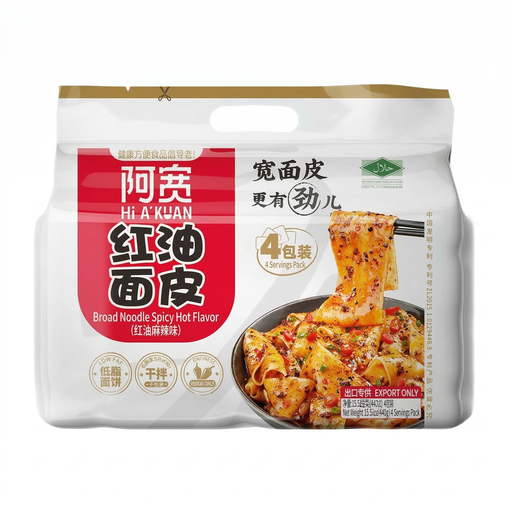
Why this fits: An accessible choice if you want to try wide Sichuan noodles with chilli oil without buying a large stock. According to the product description, the noodles can be prepared in 5 to 6 minutes with boiling water.
The preparation method is clearly described; you don’t need a pan or extra sauce. Do watch out for wheat and soya allergens.
440 g packet, wide noodles and sauce and seasoning sachets included.
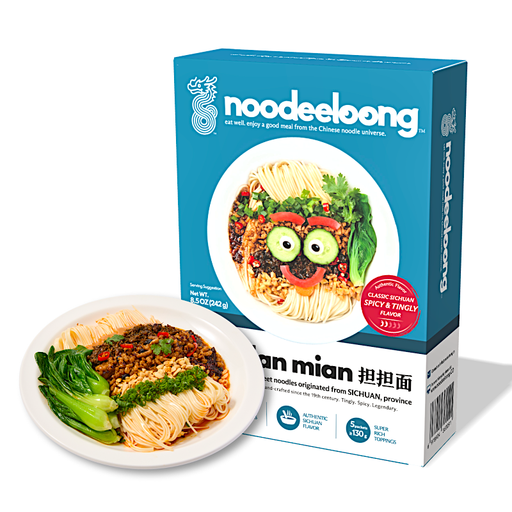
Why this fits: According to the product information, these Chinese instant noodles combine wheat noodles with sesame sauce, chilli oil and Sichuan pepper. That suits anyone looking for more than just a spicy broth.
The portion is 242 g and contains several flavour sachets. Check beforehand whether sesame and wheat fit your diet.
Preparation in 4 to 5 minutes; can be finished with spring onion or peanuts.
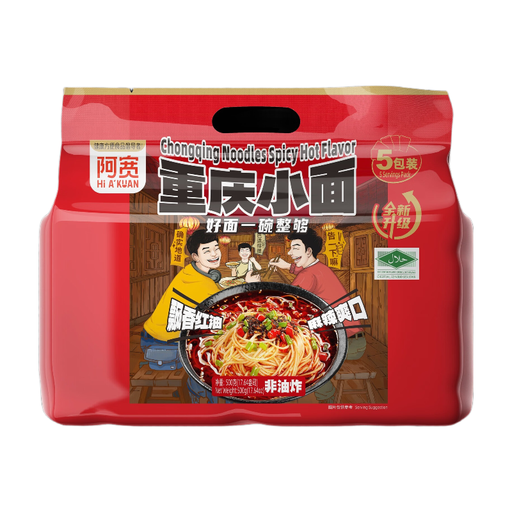
Why this fits: The packet contains five portions with noodles, soup base, chilli oil and dried vegetables. That makes it a practical option for households that want to keep several instant meals in the cupboard.
The chilli oil can be added to taste. That means you don’t have to use the whole sachet at once.
Five individual 100 g portions; cooking time of around 3 to 4 minutes.
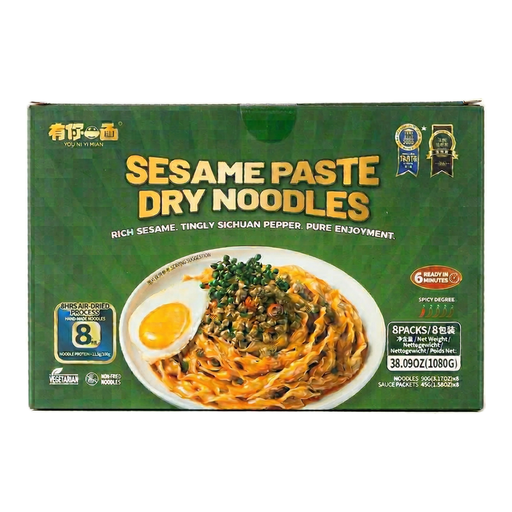
Why this fits: An eight-pack system with wide, firm noodles for anyone who regularly makes Sichuan noodle dishes, stir-fried noodles or cold noodles.
You’re not buying a ready-made soup, but noodles with separate seasonings. Allow for 5 to 8 minutes of boiling.
Eight portions, 1,080 g total and suitable for dry noodles, soup or cold preparations.
Browse a current selection of products that can be compared by flavour, packaging, preparation method and relevant product information.
No. The intensity varies depending on the sauce, chilli oil and amount of Sichuan pepper. With some packets, you can dose the oil separately. Check the ingredients list and start with part of the sachet if you’re not familiar with the flavour yet.
Unopened dry noodles can generally be stored at room temperature according to the date on the packet. Keep them in a cool, dry place away from direct sunlight. After opening or mixing, product descriptions often recommend consuming the meal straight away.
Dan Dan noodles are usually mixed dry with sesame sauce, chilli oil and Sichuan pepper. Hot and sour noodles more often contain a sour soup base with, for example, pickled mustard, vinegar or citric acid. If you like sauce clinging to the noodles, you can go for Dan Dan; if you’re after a broth-based meal, hot and sour or Chongqing noodles are a better fit.
