
Vandaag of morgen in huis

Kwaliteit gegarandeerd

Welkomstaanbiedingen ontgrendelen: GRATIS bezorging | Tot 80% korting | Gratis 30 dagen JoyPlus-proefperiode
Download de app
A pot of Sichuan chilli oil can give a simple bowl of noodles, rice or dumplings so much more character. Yet many varieties look alike, while the differences in ingredients, texture and use are actually quite significant. One Chinese chilli oil is mainly a clear, spicy oil; another contains crispy chilli, peanuts or fermented beans.
The right choice therefore depends not only on the brand or the colour of the label. Pay particular attention to the following pitfalls.
A bright red colour mainly tells you about the chillies used and the production process. The heat level can be mild, medium or distinctly present. Sichuan pepper also works differently from regular chilli: this spice is known for a tingling or numbing sensation in the mouth, often referred to as mala.
So check the ingredients list. Does it mention Sichuan pepper, Sichuan peppercorn or Zanthoxylum? If so, you can expect a tingling aroma alongside the heat. An oil with only chilli usually gives a more direct pepper flavour.
With crispy chilli oil, chilli crisp and varieties containing chilli, peanuts or beans, the solid ingredients often sink to the bottom. This is normal, but it does mean that a spoonful from the top part may contain mostly oil.
So stir or shake the product according to the usage instructions to get an even balance of oil and solid ingredients. Also check whether the packaging mentions this. For some products, refrigeration after opening is recommended.
Chinese seasoned oil regularly contains peanuts, sesame, soya or wheat. This applies, for example, to varieties with peanut pieces, soy sauce or fermented black beans. If you have an allergy, always read the current packaging and don’t rely solely on the product image.
Also watch out for salt. The values vary across product information. A chilli oil can therefore add not only heat, but also plenty of flavour and salt to a dish.
First, choose the type that suits your cooking style:
For a quick noodle meal, chilli crisp is handy if you want both oil and bite. For dumplings or a Sichuan salad, a finer Sichuan red oil may blend more pleasantly.
Compare the percentage of chilli when it is stated. The Chuanwazi Chili Oil contains at least 15% chilli according to the product specification, while the Lao Gan Ma Peanut Chilli Oil states 22% chilli flakes and 15% peanuts. Such percentages give you more certainty than words like “rich” or “authentic”.
Also check the base oil. Many varieties use rapeseed oil, soybean oil or a combination. According to the product information, Haday Sichuan Pepper Oil consists of 98% rapeseed oil and 2% Sichuan pepper. That is a different product type from a blended chilli oil with herbs and solid pieces.
The packaging sizes mentioned range from 105 grams to 400 ml. A small size suits those who use chilli oil occasionally; a larger bottle is more practical for a household that regularly makes stir-fries, hotpot or cold noodles.
Pay attention to these points:
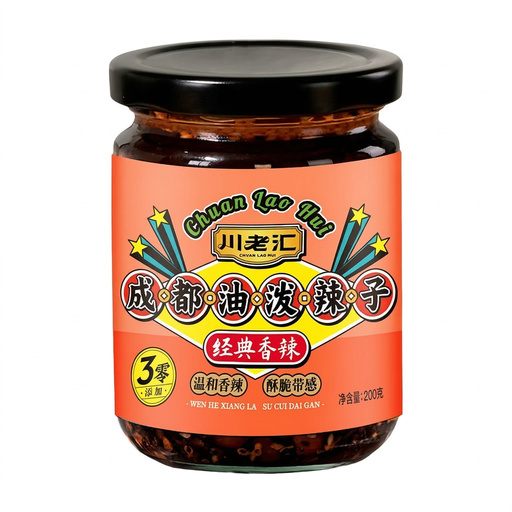
Why this fits the profile: This ready-to-use Sichuan red oil is suitable as a first introduction to Chinese chilli oil for cold dishes, dips and stir-fries.
The ingredients and usage instructions are clearly stated. The product specification mentions chilli, Sichuan pepper, garlic, ginger, sesame and peanuts.
200 grams, ready to use and suitable for cold dishes, dips and stir-frying.
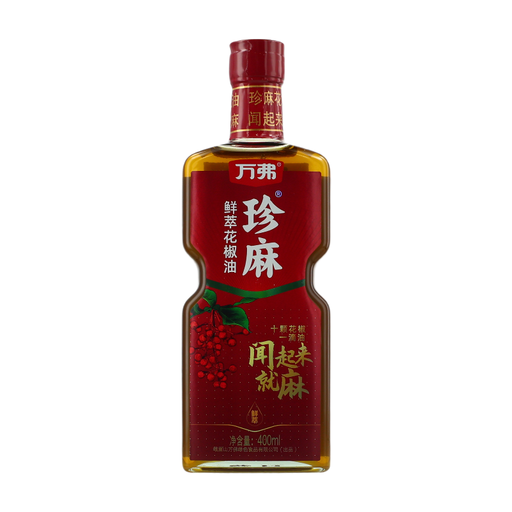
Why this fits the profile: This larger bottle is aimed at enthusiasts who are mainly looking for the aromatic, tingling character of Sichuan pepper.
The product specification states 20% Sichuan pepper oil and advises using it as a finishing oil, so the aroma is not unnecessarily heated for too long.
400 ml, suitable for noodles, dumplings, cold dishes and hotpot; shaking before use is stated.
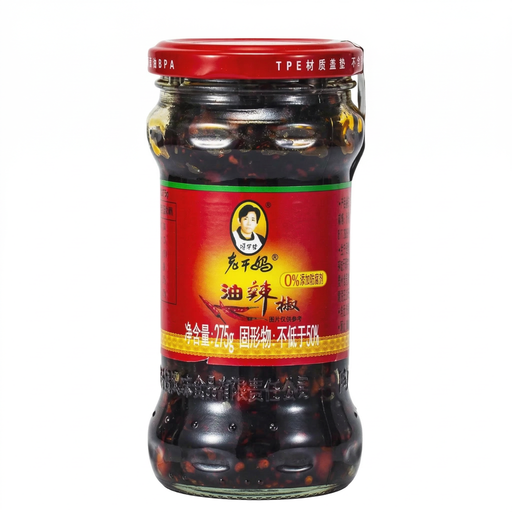
Why this fits the profile: Suitable for those looking for a hearty topping with a crunchy texture for noodles, rice, dumplings and stir-fried dishes.
The solid ingredients are specified: 22% chilli flakes and 15% peanuts. Stir well before use, as oil and solid parts can separate.
275 grams, crispy chilli and peanuts; note the stated allergens: peanut and wheat.
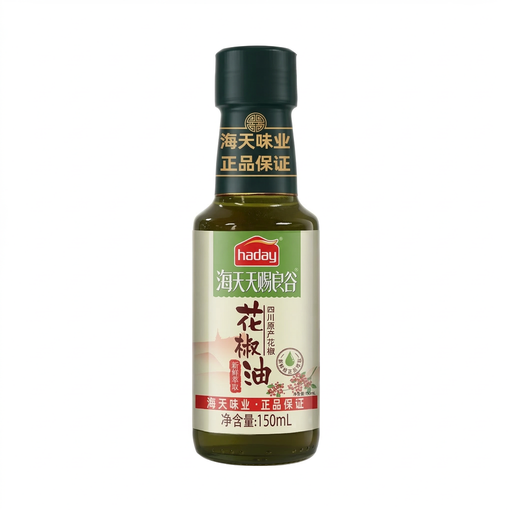
Why this fits the profile: A compact choice for those who don’t want a full chilli crisp, but a targeted Sichuan pepper flavour for stir-fries and dips.
The composition is simple: according to the product information, 98% rapeseed oil and 2% Sichuan pepper. This means you know exactly which flavour accent you are adding.
150 ml, with no stated salt contribution and usable for stir-frying, seasoning and dips.
We have compiled a full, up-to-date list of products that fully meet these strict selection criteria and the current European safety regulations.
No. Chilli crisp usually contains solid, crunchy ingredients such as chilli flakes, peanuts, garlic, onion or beans. Sichuan chilli oil, on the other hand, can be a fairly clear oil with chilli and Sichuan pepper. Check the ingredients list if texture is important to you.
For noodles, a ready-to-use Sichuan red oil is practical. If you want extra bite, choose a chilli crisp with solid ingredients. For dumplings, you can mix chilli oil with black rice vinegar and soy sauce. First check the allergens and add the oil step by step.
Follow the instructions on the packaging. Many products should be stored in a cool, dry place away from direct sunlight; for several varieties, refrigeration after opening is recommended. Always use clean utensils and seal the pot or bottle tightly. This helps preserve the flavour better and limits the risk of contamination.
