
Vandaag of morgen in huis

Kwaliteit gegarandeerd

Welkomstaanbiedingen ontgrendelen: GRATIS bezorging | Tot 80% korting | Gratis 30 dagen JoyPlus-proefperiode
Download de app
Sichuan chilli oil can quickly add more flavour to a simple bowl of noodles, rice or dumplings. Yet Chinese chilli oil, Sichuan red oil and chilli crisp differ greatly in ingredients, texture, heat level and use. A beautiful red colour, for example, says little about the amount of chilli pepper or Sichuan pepper.
In this buying guide from the Joybuy Product Recommendation Officer, you can compare practical features and learn which pitfalls to avoid when buying an Asian condiment.
A bright red oil is not automatically spicy. The colour can come from chilli pepper, chilli powder or a colouring agent. YiXian Sichuan red oil, for example, lists soya bean oil, chilli powder and colour E160c as ingredients. There is no Sichuan pepper in the product information.
If you want the typical mala effect — a combination of heat and a slightly numbing pepper sensation — check whether Sichuan pepper or Sichuan peppercorn appears on the label.
A clear chilli oil consists mainly of flavoured oil and chilli. Chilli crisp also contains solid ingredients, such as peanuts, soya beans, sesame, beans or crispy chilli. Lao Gan Ma Peanut Chilli Oil lists, among others, 22% chilli flakes and 15% peanuts. This provides more texture, but makes the product less suitable when you are looking for a smooth oil only.
Many varieties contain peanuts, sesame, soya or wheat. The salt content also varies considerably. In the nutritional information provided, this ranges, for example, from 0 g salt per 100 g for some oils to 15.8 g for CUIHONG Red Oil Mixed Ingredient.
Therefore, always check:
First, look at the base oil. Many products use rapeseed oil, soya bean oil or a blend of vegetable oils. Then come chilli, spices and any flavourings.
For a distinct Sichuan profile, these ingredients are relevant:
According to the product description of some brands, traditional techniques or an oil-pouring method are used. Treat this as a brand claim and also look at the actual ingredients list.
A spicy chilli oil with few solid parts works well as a finishing touch for soup, stir-fries and cold vegetables. A chilli crisp with peanuts or beans is better suited to rice, noodles, dumplings and congee.
Also pay attention to the instruction "shake well" or "stir well". Oil and solid ingredients can separate during storage. This is normal, but a jar can therefore seem milder at the top and much more concentrated at the bottom.
For occasional use, 105 to 230 grams is often manageable. If you regularly cook Chinese dishes, 260 to 370 grams can be better value per use. A 5-litre pack, such as WanFu Freshly Extracted Rattan Pepper Oil, is mainly intended for bulk use and professional kitchens.
Many products need to be refrigerated or used quickly after opening. Always follow the packaging. A best-before date is also not a guarantee of the same quality after incorrect storage.
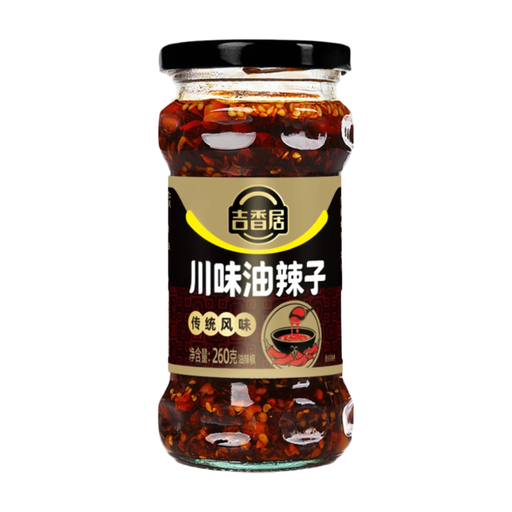
Why this fits: A versatile Chinese chilli oil for anyone who wants one jar to use with noodles, rice and stir-fries.
The ingredients and allergens are clearly stated, including soya, peanut and sesame. This means you can check in advance whether the composition suits you.
260 g content, ready to use and suitable for noodles, rice and stir-frying. The nutritional information states 73 g fat and 2,460 mg sodium per 100 g.
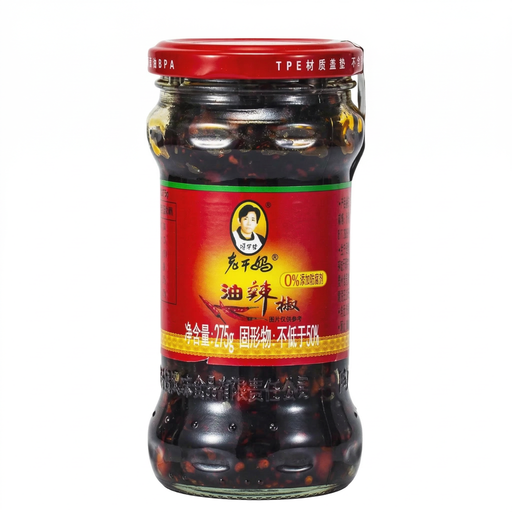
Why this fits: Suitable for eaters who are mainly looking for roasted peanuts, chilli pieces and a hearty bite in their chilli oil.
This is not a smooth oil: the product information states 22% chilli flakes and 15% peanuts. This makes the texture clear in advance.
275 g content and ready to use with rice, noodles, dumplings and stir-fries. Contains peanut and wheat; check the label if you have allergies.
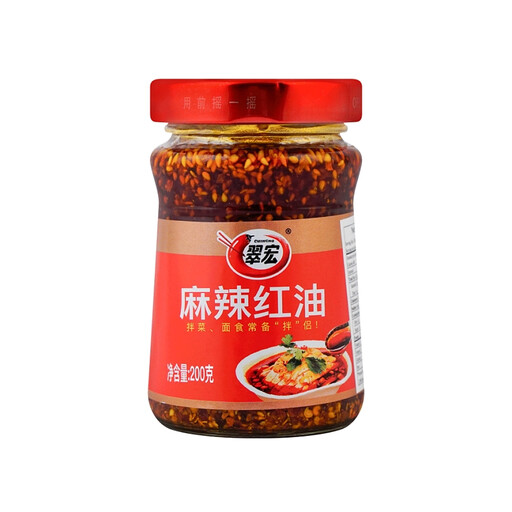
Why this fits: A practical choice for cold dishes, noodles and dumplings when Sichuan pepper is part of the desired flavour.
The product information lists chilli, Sichuan pepper and spices separately. This makes the flavour profile easier to assess than based on the product name alone.
200 g content, ready to use and suitable for noodles, dumplings and cold dishes. Contains sesame as an allergen.
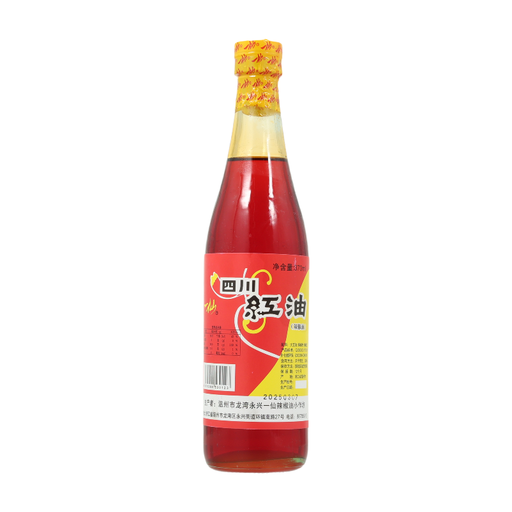
Why this fits: Handy for households that regularly use a smooth oil in dressings, dips or hot dishes.
The short ingredients list makes it clear that this product is not a topping with peanuts, sesame or herb pieces.
370 ml content and suitable for dressings, dips and cooking. Contains soya; store according to the instructions on the packaging.
Start with a small amount and add more later. For chilli oil for noodles, a combination with soya sauce, black rice vinegar and spring onion works well. For dumplings, you can mix the oil with vinegar and a little sesame oil.
Other uses:
Bear in mind that oil products are high in calories. The nutritional information on the label usually gives around 500 to 860 kcal per 100 grams, depending on the composition. Therefore, use a spoon to portion more accurately.
Browse the current range of products and compare flavour, content, ingredients and uses before you order.
No. The heat level depends on the chilli peppers used and the amount of oil, solid ingredients and spices. Check the product description and start with a small portion when using it.
This varies per product. Some varieties state refrigeration and quick consumption after opening, while others can be kept in a cool, dry place. Always follow the label on the specific packaging.
Chilli oil is usually more liquid and mainly contains flavoured oil with chilli. Chilli crisp contains more solid parts, such as chilli flakes, peanuts, sesame or beans. This means chilli crisp gives more texture, while smooth chilli oil mixes more easily into sauces and dressings.
