
Vandaag of morgen in huis

Kwaliteit gegarandeerd

Welkomstaanbiedingen ontgrendelen: GRATIS bezorging | Tot 80% korting | Gratis 30 dagen JoyPlus-proefperiode
Download de app
Fancy some shrimp instant noodles, but can’t see the difference between all the brands and packs? Packaging often boasts words like “seafood”, “creamy” or “Tom Yum”, yet the amount of shrimp, the portion size and the allergens can vary significantly. A bulk pack of instant noodles isn’t automatically good value if you don’t like the flavour or the shelf life is limited.
The Joybuy Product Recommendation Officer helps you assess the key differences practically. This way, you can make a more targeted choice between shrimp-flavour instant noodles, Thai instant noodles, shrimp noodles and other Asian noodles.
The term “shrimp flavour” often refers to a seasoning mix or aroma. So, always check the ingredients list. Some products mention a small percentage of shrimp powder, while other varieties contain dried shrimp, fish, scallop or other seafood.
A product with shrimp flavour is therefore not necessarily a meal with a generous amount of shrimp. According to the product information for MAMA, for example, one variant contains 0.03% shrimp powder. Uni-President lists dried shrimp and fish cake among its ingredients. Always check the packaging for the current composition.
A box of 30 or 40 sachets looks appealing for student houses, offices or families. Even so, it’s wise to try a single small pack first. Flavour strength, spiciness and salt content can vary quite a bit between brands.
For regular use, portions of 55 to 70 grams are suitable as a snack or light meal. Variants of 90 to 127 grams generally give a more generous portion. That doesn’t tell you the total nutritional value of a prepared bowl, though; check the table per 100 grams and per portion for that.
Creamy Tom Yum noodles combine sourness, chilli and a creamy taste. Other shrimp ramen variants are mainly savoury from soy sauce, sesame oil or fish seasonings. If you’re expecting a mild soup, you could be surprised by a spicy seasoning mix.
Also pay attention to the preparation method. Some sachets are ready after soaking for three to four minutes. Other products need to be boiled, drained or prepared in a bowl with a fixed amount of water.
Don’t just compare the price per pack, but also the price per sachet and per 100 grams. Look out for:
A bulk pack makes most sense if several people eat the same flavour, or if you want to keep a regular stock for work, study or emergencies.
Shrimp noodles often contain multiple allergens. Check at least for the following before buying or preparing:
The composition can vary per product variant and import version. So always check the label on the pack you receive. This is especially important for products with names like seafood, shrimp fish or Tom Yum, as they may contain fish, squid or scallop alongside shrimp.
If you’re looking for spicy instant noodles, you can choose Tom Yum, chilli or spicy seafood. For a milder preference, savoury shrimp noodles with soya sauce are a better fit. You can add your own egg, pak choi, beansprouts or spring onion, but bear in mind the flavour intensity of the seasoning sachet.
Nutritional values differ. In the product information provided, various MAMA variants show values around 452 to 473 kcal and 5.3 to 5.9 grams of salt per 100 grams. These figures depend on the product and preparation. Use the packaging as a guide, and don’t automatically add the whole seasoning sachet if you prefer a less strong broth.
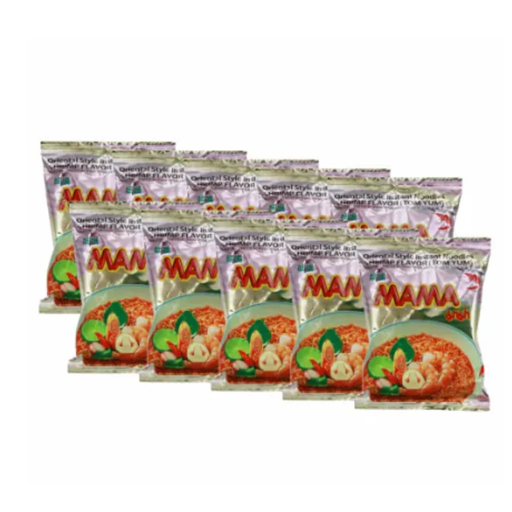
Why this fits the profile: Ten individual 60g portions are easy to manage for students, small households and anyone wanting to try a flavour first.
The pack is smaller than a box of 30 or 40, so you won’t be left with too much stock if the flavour or spiciness isn’t for you.
60g per sachet, ten individual portions and, according to the product information, preparation with boiling water in just a few minutes.
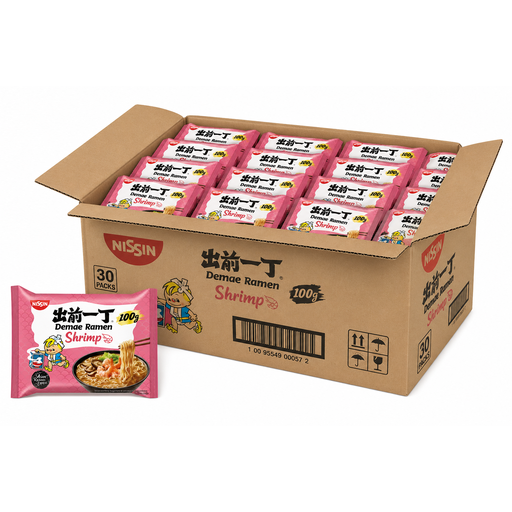
Why this fits the profile: The 100g portions appeal to fans of a more generous bowl of Japanese instant ramen at home or in the office.
The product information clearly states wheat, soya and crustaceans, plus possible traces of fish, milk and sesame, among others.
30 sachets of 100g and a preparation time of around three minutes according to the product description.
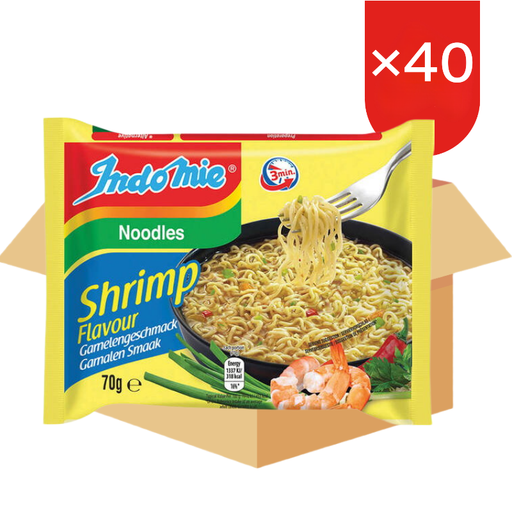
Why this fits the profile: Forty individual sachets are practical for a shared stock, student house, office or regular quick meals.
The product information explicitly mentions chilli and flavour enhancers. This means you can expect a spicier profile rather than a mild soup.
40 portions of 70g, preparation in around three to four minutes and a flavour profile with shrimp and chilli.
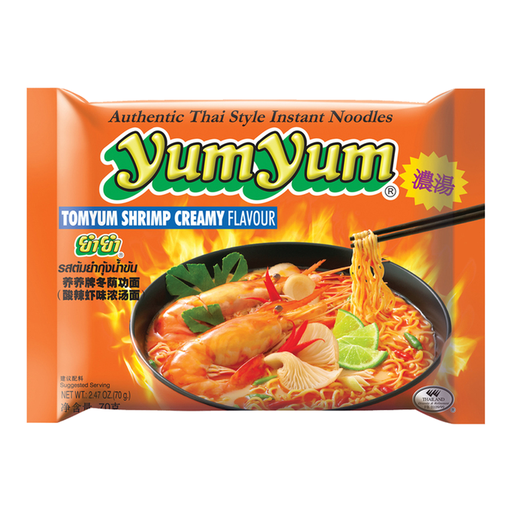
Why this fits the profile: The combination of chilli, lemongrass, galangal and shrimp suits anyone looking for a distinctive Tom Yum profile.
The preparation states around 360ml of boiling water and a three-minute waiting time. This makes the portion and method clear in advance.
70g per portion, Tom Yum seasoning and, according to the product information, allergens such as wheat, milk, shrimp, fish and soya clearly listed.
We’ve put together a full, up-to-date list of products that fully meet these strict selection criteria and current European safety regulations.
Follow the instructions on the pack. Usually, you put the noodles and seasoning in a heatproof bowl, add boiling water and leave it to stand for three to four minutes. With some variants, you need to boil the noodles first and then drain them. Don’t use a microwave for seasoning sachets unless the label explicitly says so.
The best-before date is on the pack. Store unopened sachets in a cool, dry place away from direct sunlight. Check the pack is undamaged before use. Once opened, it’s best to prepare a sachet straight away, so that moisture and odours don’t affect the quality.
That depends on the exact variant. Many shrimp noodles contain crustaceans, wheat and soya. Some also contain milk, fish, sesame or molluscs. Always read the full allergen information on the pack you receive. If you have a serious allergy, extra caution is needed with possible trace mentions and shared production lines.
