
Vandaag of morgen in huis

Kwaliteit gegarandeerd

Welkomstaanbiedingen ontgrendelen: GRATIS bezorging | Tot 80% korting | Gratis 30 dagen JoyPlus-proefperiode
Download de app
Shrimp instant noodles are a convenient option for a quick meal, lunch at the office or a late-night snack. Yet many packets look more alike than their contents would suggest. A spicy picture of prawns doesn't automatically mean there are plenty of prawns inside. Portion size, salt content and preparation methods can also vary significantly.
With this guide, you can compare instant noodles with prawns, seafood ramen and Asian instant noodles using verifiable product information. This way, you can make a more informed choice and avoid a disappointing purchase.
With some products, the flavour comes mainly from spices, flavourings, fish ingredients or prawn powder. The amount of actual prawns can be limited. For example, the product information for Nissin states 5% prawn powder within the seasoning mix, while other variants mention a much smaller percentage of prawn powder.
Always check the ingredients list. Look out for terms like shrimp powder, dried shrimp, shrimp flavouring and seafood seasoning. A product with dried flakes might look appealing, but those flakes don't automatically determine the total amount of seafood.
A 60g bag is best suited as a snack or light meal. A packet of around 120g usually contains more noodles and seasoning, but also delivers a larger total amount of salt and energy. So don't just compare the price per packet – also compare the net weight per portion.
With multi-packs, the price per bag is often better value. But check that you'd actually want to eat that flavour regularly before buying a box of 10, 20 or 30 portions.
Cup noodles are usually prepared with boiling water. Sachet varieties may need to be cooked in a pan or left to steep with a specific amount of water. A difference of 360, 400, 500 or 540 millilitres of water affects the strength of the broth.
Follow the preparation instructions on the packet. If you use less water, the flavour becomes more concentrated and the amount of broth per bowl decreases.
First, choose the direction you prefer:
"Authentic" isn't a fixed quality standard. Instead, look at the listed flavourings, the country of production and the preparation method.
Shrimp instant noodles often contain multiple allergens. At the very least, check for:
The product information for some seafood ramen also mentions cross-contamination risks with peanuts, egg, celery, mustard or molluscs. Always read the label on the packet before consuming. The packet may contain more up-to-date or detailed information than an online product page.
A few practical examples:
When looking at nutritional values, pay attention to the reference: per 100g, per packet or per prepared portion. These values aren't directly comparable when the weight differs.
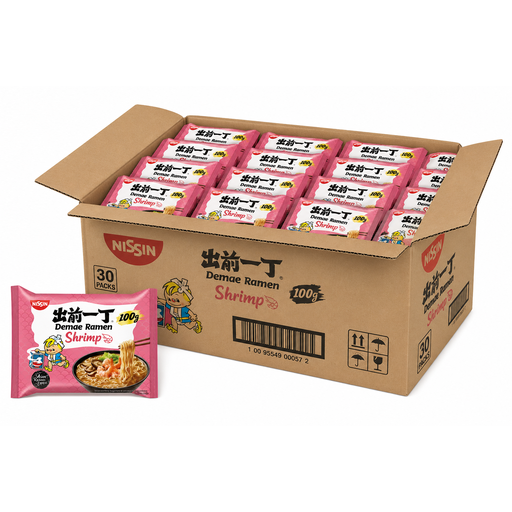
Why this fits the profile: The multi-pack contains 30 bags of 100g, handy for stocking up in a student kitchen, office or household with several fans.
The weight per bag and preparation time of around 3 minutes are clearly stated. So you know exactly what you're getting per portion.
30 individual portions; Japanese style with prawn flavour and soy sauce powder.
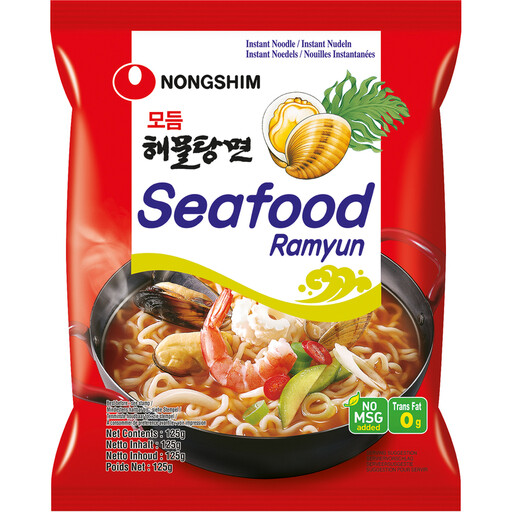
Why this fits the profile: This Korean ramyun combines a seafood seasoning mix with dried vegetables, seaweed and fish cake.
The ingredients list separately mentions squid, crab, seaweed, prawn and fish. That gives more insight than just the term 'seafood' on the front.
125g per bag; a mix of seafood flavours, vegetables and noodles.
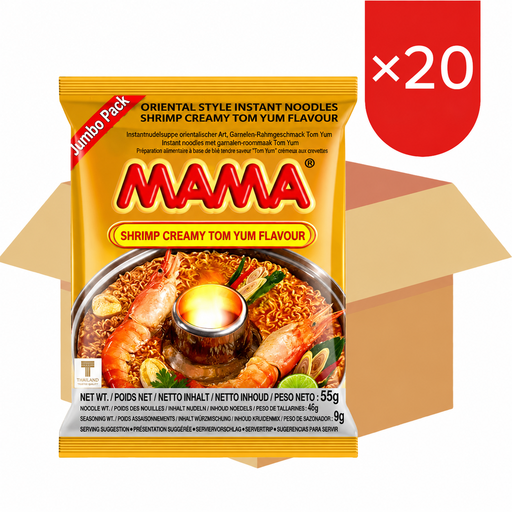
Why this fits the profile: The box of 20 portions is ideal for anyone who wants to keep Thai instant noodles or spicy prawn noodles regularly in stock.
The packaging states 20 portions of 90g and preparation with 400ml of water and a 3-minute cooking time.
Large bulk pack; creamy Tom Yum style with chilli, lime and prawn powder.
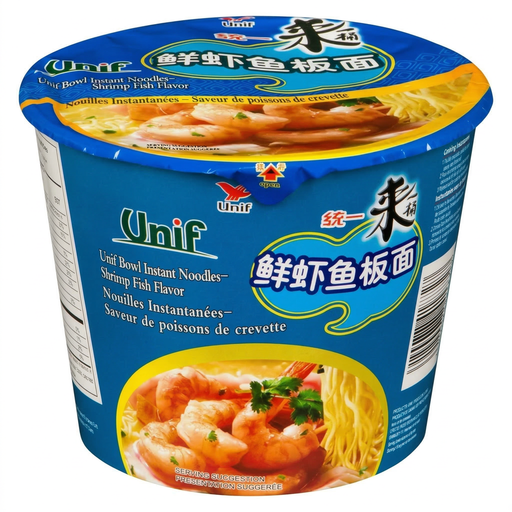
Why this fits the profile: The bowl packaging is practical when you don't want to use a pan or an extra bowl.
The instructions mention 500ml of boiling water and 3 to 4 minutes of steeping. The packaging contains separate sachets for seasoning, oil and vegetables.
Bowl packaging; a combination of prawn, fish cake and vegetable seasoning.
We've put together a full, up-to-date list of products that fully meet these strict selection criteria and comply with current European safety regulations.
Instant noodles are a base, not a complete meal. You can customise the bowl with ingredients that suit your taste:
Store unopened bags and cups in a cool, dry place, away from sunlight, heat and moisture. Check the best-before date and do not use a packet if it is damaged.
No. Nissin shrimp ramen, for example, is a savoury variety, while MAMA Tom Yum and some Korean seafood ramen clearly contain chilli and spices. Check the flavour description and preparation sachets before you order.
Look at the best-before date on the packet. The storage advice is usually similar: keep them dry, cool and out of direct sunlight. Once opened, prepare the noodles straight away and don't store loose seasoning sachets for long.
A cup like Uni-President is practical because you only need boiling water and a spoon. A bag variety can also work, but usually requires a heatproof bowl or pan. Check beforehand whether there's a kettle available at your workplace.
