
Vandaag of morgen in huis

Kwaliteit gegarandeerd

Welkomstaanbiedingen ontgrendelen: GRATIS bezorging | Tot 80% korting | Gratis 30 dagen JoyPlus-proefperiode
Download de app
Shower gel may seem like a simple product, but the options vary widely in formula, fragrance, size, skin type and packaging. A low price doesn’t automatically mean you’re getting a good deal. A small bottle may cost more per millilitre than a larger one, while a heavily fragranced formula may be less comfortable for sensitive skin.
Pay attention to marketing language, too. Words such as “natural”, “nourishing” or “hydrating” only tell you so much. Check the ingredients, size and specific product details. According to brands’ own product information, for example, formulas may contain a certain percentage of ingredients of natural origin or biodegradable ingredients. That doesn’t make a shower gel entirely natural.
A shower gel scented with rose, citrus, vanilla or coconut may smell lovely, but fragrance doesn’t determine how gentle a product is on your skin. Check the ingredients list instead. Ingredients such as Limonene, Linalool, Coumarin and Hexyl Cinnamal are found in several fragranced products and may be worth noting for some users.
If you’re mainly looking for a shower gel with a lovely fragrance, compare the scent notes. If your skin often feels tight or irritated, opt for a formula with fewer fragrance ingredients and try a small amount first.
According to the product information, a vegan shower gel contains no ingredients of animal origin. That doesn’t automatically mean the packaging is sustainable or that the formula is suitable for sensitive skin. Check each of the following separately:
A brand’s own research or product information should be read in context when it comes to sustainability claims. For example, “95% biodegradable” doesn’t mean the bottle is 95% biodegradable.
A 250 ml shower gel is handy for personal use, a gym bag or trying a product for the first time. A 500 ml or 1000 ml shower gel may be more practical for everyday use by several people. When comparing prices, check the price per 100 ml and see whether the packaging has a pump, cap or dispensing opening.
A large bottle isn’t automatically better value if you use more product than you need. For most showers, a small amount is enough to wash your skin.
Many standard products suit normal skin, while dry skin may benefit from a nourishing shower gel containing ingredients such as glycerine or oils, or with a creamy texture. A shower gel for dry skin still cleanses; terms such as “hydrates” or “helps skin feel soft” mainly describe the product’s claims and user experience.
For sensitive skin, fragrance, colourants and known fragrance allergens are important things to check. A shower gel for sensitive skin won’t automatically suit everyone. Stop using it if irritation occurs and follow the warnings on the packaging. Use shower gel only externally and avoid contact with your eyes.
The first ingredients listed are generally present in the largest amounts. Cleansing agents such as Sodium Laureth Sulfate, Cocamidopropyl Betaine or milder alternatives partly determine the lather and cleansing properties. Glycerine, plant oils and certain conditioning ingredients can help skin feel comfortable.
A shower cream often has a creamier texture than a classic gel. A product such as NIVEA Soft Care is described as a shower cream in its product specifications, with shea butter, botanical oil, and vitamins C and E. According to NIVEA’s product information, the formula is pH skin-neutral, vegan and 99% biodegradable. Always check these claims on the packaging, as formulas may change.
Choose 200 to 300 ml if you like to switch between fragrances or want to take a bottle with you. A 400 to 550 ml bottle is better suited to everyday use. A 1000 ml bottle may be practical for a household with several users, as long as it’s easy to dispense from and can be stored hygienically.
Citrus, mint or fruity fragrances work well for a fresh morning routine. For a more relaxing shower, try search terms such as almond, shea butter, macadamia or floral. Fragrance is a matter of personal taste: users may experience a product described by the manufacturer as “refreshing” in very different ways.
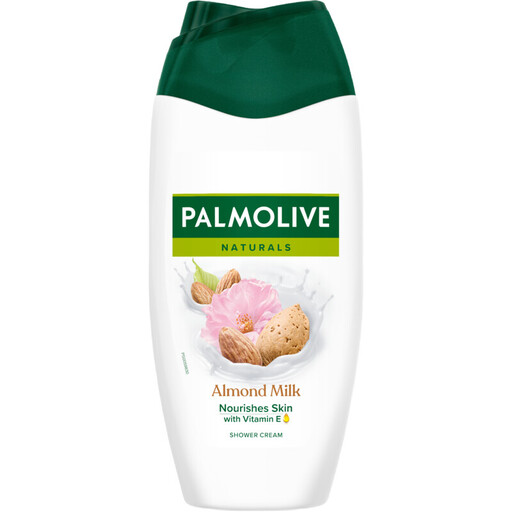
Why it suits this profile: The 250 ml size is a manageable choice for personal use, and the almond and milk fragrance suits a simple everyday routine.
As well as the fragrance, the product description gives the size and says the formula contains biodegradable ingredients, so you don’t have to rely on the name “Naturals” alone.
250 ml; almond and milk fragrance; glycerine- and vitamin E-related ingredients in the stated ingredients list.
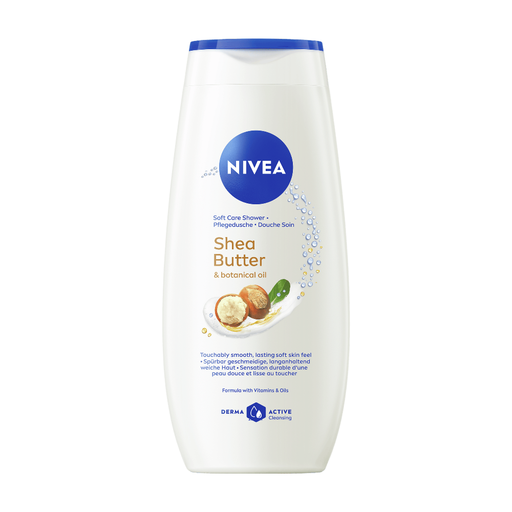
Why it suits this profile: This shower cream combines a creamy product type with shea butter, botanical oil and a soft fragrance for anyone who prioritises skin care.
The product specifications list specific features, including pH skin-neutral, 250 ml, vegan and a 99% biodegradable formula, rather than relying on general claims about skin care.
Shea butter and botanical oil; vegan according to the product information; bottle made from 97% recycled plastic, according to NIVEA’s own information.
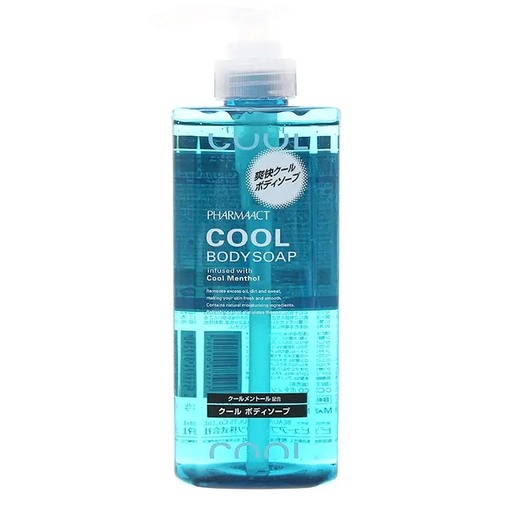
Why it suits this profile: The 550 ml pump bottle is a practical choice for everyday use, after sport or in a household where several people use the same body wash.
The size, pump packaging and body-use instructions are clearly stated. The cooling sensation is part of the user experience, not a medical effect.
550 ml; pump bottle; described in the product information as suitable for cleansing and hydrating all skin types.
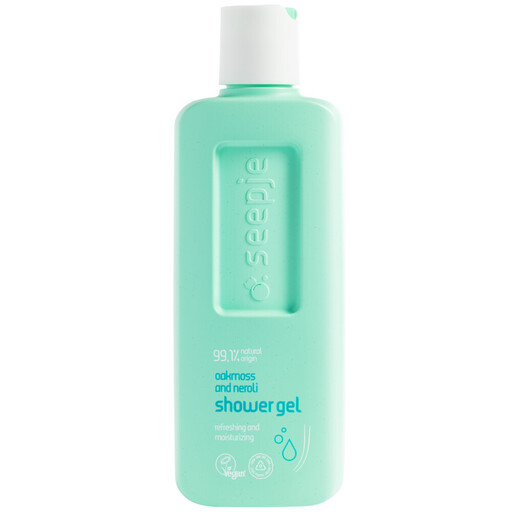
Why it suits this profile: This natural shower gel is a good fit for users looking to combine vegan skincare, a woody-floral fragrance and an interest in packaging information.
The product information separately states that it contains 99.1% ingredients of natural origin, has a vegan formula, is certified free from microplastics and uses recycled plastic.
300 ml; vegan according to the product description; 99.1% ingredients of natural origin according to Seepje’s own product information.
We’ve put together a complete, up-to-date list of products that meet these strict selection criteria and the applicable European safety regulations.
Many shower gels are intended for everyday use, according to their product descriptions. The right choice depends on your skin and the formula. Don’t use more product than you need, rinse thoroughly and stop using it if you have an unpleasant reaction. If you have ongoing skin problems, you can ask a doctor or pharmacist for advice.
The terms largely overlap. Body wash is the English term for liquid body cleanser. Shower gel usually has a gel texture, while shower cream may be creamier and often contains conditioning ingredients. Focus on the ingredients, fragrance, size and directions for use.
That depends on the size, how often you use it and how much you use per shower. A 250 ml bottle is suitable for personal use or switching between several products. A 500 ml bottle or larger will generally last longer in a busy household. Compare the price per 100 ml and store the bottle according to the instructions on the packaging.
