
Vandaag of morgen in huis

Kwaliteit gegarandeerd

Welkomstaanbiedingen ontgrendelen: GRATIS bezorging | Tot 80% korting | Gratis 30 dagen JoyPlus-proefperiode
Download de app
Buying a new shower gel might seem straightforward, but the options vary widely in scent, cleansers, skin-nourishing ingredients and packaging. A pleasant fragrance, however, tells you little about how a product will work with your skin. If you only look at the front of the bottle, you can end up paying for a spa-like experience while the formula isn't suited to everyday use.
Words like "hydrating", "nourishing" and "moisturising" sound appealing, but always check the ingredients list and product information. Glycerine, plant oils and emollients can contribute to a comfortable skin feel. That doesn't automatically mean a shower gel is suitable for every dry or sensitive skin type.
Also pay attention to fragrance and scent allergens. A perfumed shower gel may smell lovely, but according to the product information, fragrance can cause irritation for some users. If you experience redness, itching or a burning sensation, stop using it and, if symptoms persist, seek advice from a doctor or pharmacist.
A natural shower gel may contain ingredients of natural origin, while a vegan shower gel uses no animal-derived ingredients. These are different qualities. Essential oils, for example, are natural, but they can also contain fragrance compounds that some people are sensitive to.
So check whether a certification mark, formulation or specific product claim is clearly stated. According to the product description from Weleda, certain shower creams are 100% natural, vegan and biodegradable. This information comes from the brand's product description; always check the current packaging before purchase.
A 200 ml bottle might seem cheap, but a 400 ml or 500 ml pack can be better value per millilitre. So compare the volume in millilitres rather than just the selling price. A larger pack is especially practical when several family members use the same shower gel. Do check the shelf life after opening and store the product according to the instructions on the label.
For normal skin, a daily body wash with mild cleansers and a scent you enjoy is often sufficient. For dry skin, look for a shower cream or hydrating shower gel containing, for example, glycerine, oil or emollients. A product can leave your skin feeling comfortable after showering, but a shower gel doesn't replace a leave-on body lotion.
For sensitive skin, a short ingredients list and little or no fragrance are practical points to consider. Also check warnings about contact with the eyes and possible fragrance allergens. A product label saying "suitable for sensitive skin" is a brand claim, not a guarantee that everyone will tolerate it without issue.
Choose a fresh citrus scent for the morning, a floral fragrance for daily use, or a wellness shower gel for a more relaxing shower moment. Products with essential oils, such as mint, lavender, citronella or cedarwood, primarily serve a fragrance purpose. According to the brands' own information, some formulas are designed for an invigorating or relaxing experience. Treat this as a scent and usage experience, not a medical effect.
Look for verifiable information such as:
The NIVEA Frangipani & Oil Shower Gel, according to the product description, features a formula with 99% biodegradable ingredients and packaging made from 96% recycled material, excluding the cap and labels. Palmolive states for some variants that they use recycled or recyclable plastic. Compare these details separately; "sustainable shower gel" is not a uniform legal product category.
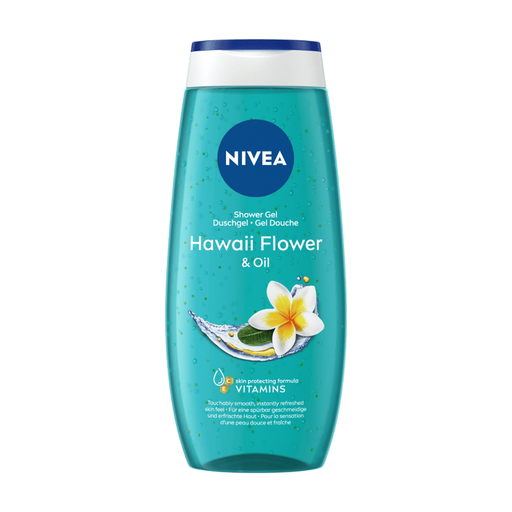
Why this fits the profile: A well-known everyday shower gel with a 250 ml volume, oil pearls and a floral scent. According to the product description, the formula is pH-skin-neutral.
The product information provides concrete details about volume, pH and packaging, so you don't have to choose based on scent alone.
250 ml, vitamins C and E according to the ingredients list, and stated percentages for biodegradability and recycled material.
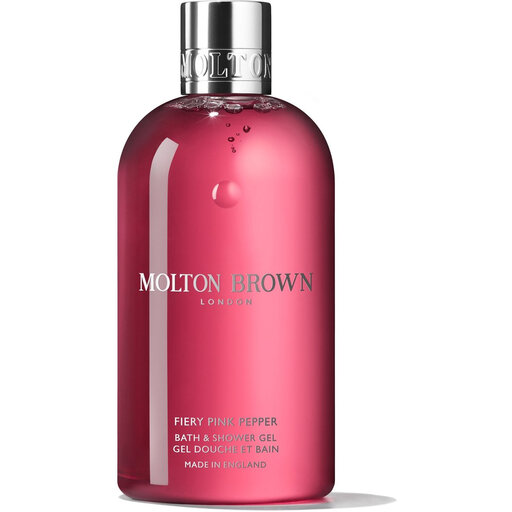
Why this fits the profile: For those who value a fragrance experience and a generous volume. The scent is described with pink pepper, ginger, patchouli and cedarwood.
The choice isn't just about a luxurious appearance: the product page states 300 ml, vegan and cruelty-free.
300 ml volume, unisex designation and a distinctive fragrance profile for shower or bath.
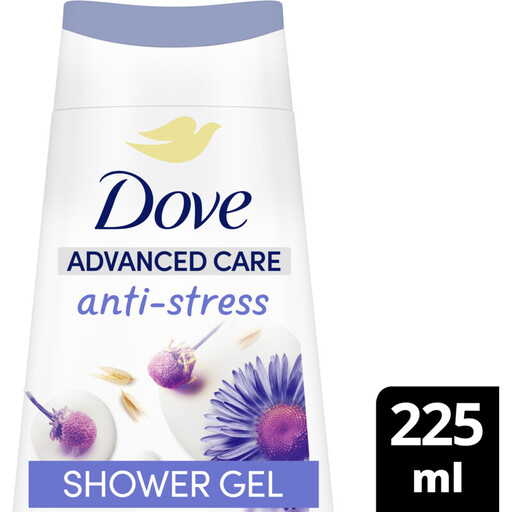
Why this fits the profile: Aimed at users looking for a shower gel for dry skin and who value a sulphate-free formula according to the product information.
The product description lists the formula, target skin type and volume separately. Check the current ingredients on the packaging.
225 ml, coconut oil and almond extract in the ingredients list, plus stated recycled plastic packaging.
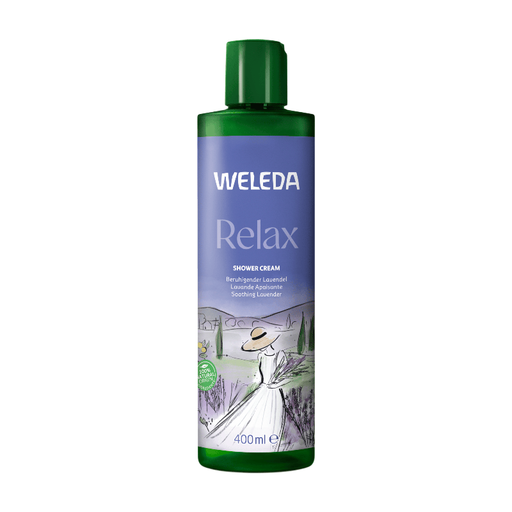
Why this fits the profile: A natural shower cream with lavender, bergamot and vetiver scent. According to the product description, the formula is vegan and biodegradable.
The product information mentions the NATRUE certification mark, the natural origin and the vegan formula. Check the certification on the current packaging.
Creamy shower cream, natural ingredients according to the product description and a fragrance profile with essential oils.
We've put together a full, up-to-date list of products that fully meet these strict selection criteria and comply with current European safety regulations.
Many products are intended for daily use according to their product information. The right choice depends on your skin type, the cleansers and any fragrance ingredients. For dry or sensitive skin, a shower cream with emollients may feel more comfortable than a heavily perfumed gel.
Shower gel usually has a lighter gel texture and focuses on cleansing and fragrance experience. A shower cream is often creamier and frequently contains oils or emollients. However, the difference isn't just in the name: always check the ingredients list and product claims.
That depends on the volume, the amount you use and how often you shower. A 400 ml bottle typically lasts longer for individual use than a 200 ml tube. Compare the price per 100 ml and look at the symbol for shelf life after opening on the packaging.
